News Malaysia
Malaysia SSDS+ Platform Launches for Tokenized Bonds and Sukuk
Key points
Bank Negara Malaysia introduced SSDS+ on 20 October 2026 to handle issuance and settlement of tokenized bonds and sukuk using cloud and distributed ledger technology.
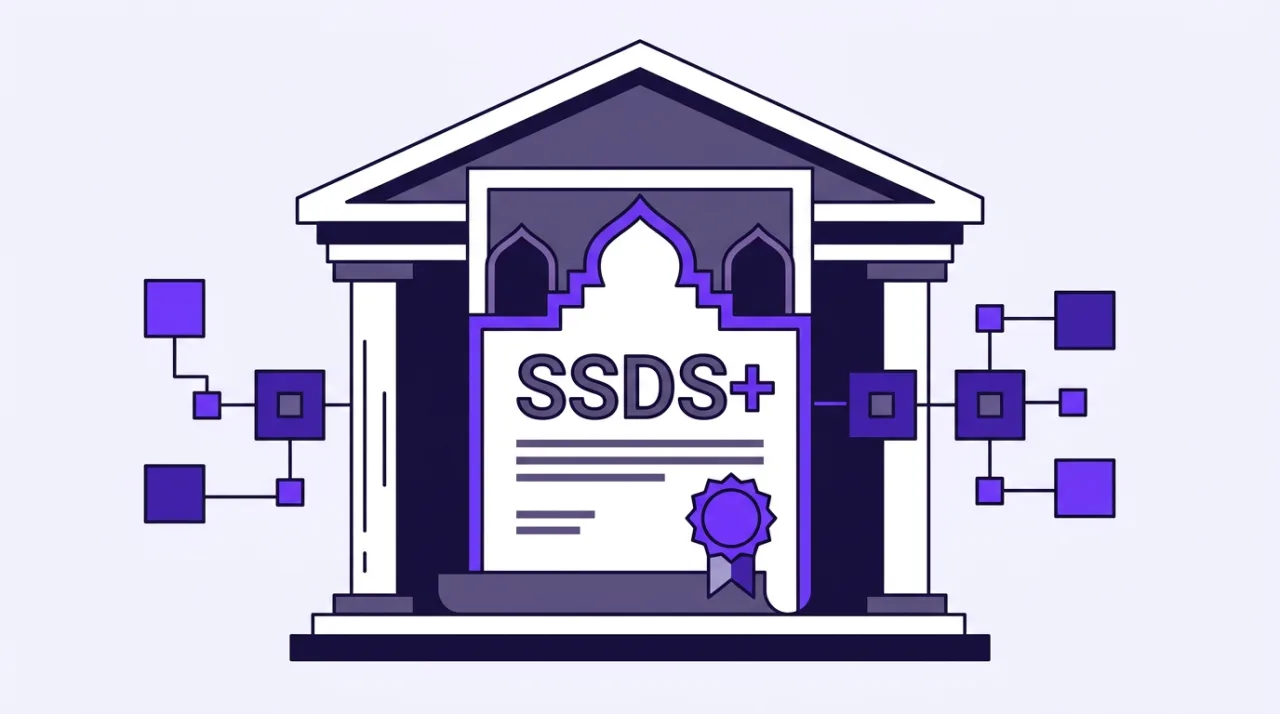
Bank Negara Malaysia launched the SSDS+ platform on 20 October 2026. The system replaces the previous scripless securities depository for wholesale debt instruments and introduces support for tokenized bonds and sukuk.
Malaysia SSDS+ Features and Technical Setup
SSDS+ operates as an in-house central securities depository that records ownership of tokenized securities on distributed ledger technology. It maintains the core functions of issuance, safekeeping and settlement while adding flexibility for instrument design. The platform integrates directly with RENTAS+, the upgraded real-time gross settlement system introduced in October 2025, allowing payments in central bank money around the clock.
BNM officials confirmed that SSDS+ can process both government and corporate retail bonds once participants complete onboarding. The infrastructure uses cloud services to scale capacity and reduce manual reconciliation steps that existed in the legacy SSDS. No transaction volumes or first issuers were announced at the launch event.
The system remains limited to wholesale market participants at this stage. Retail access will depend on future regulatory approvals and participant readiness. BNM stated the upgrade forms part of a three-year asset tokenization roadmap published after the October 2025 discussion paper.
Market Size and Prior Tokenization Steps
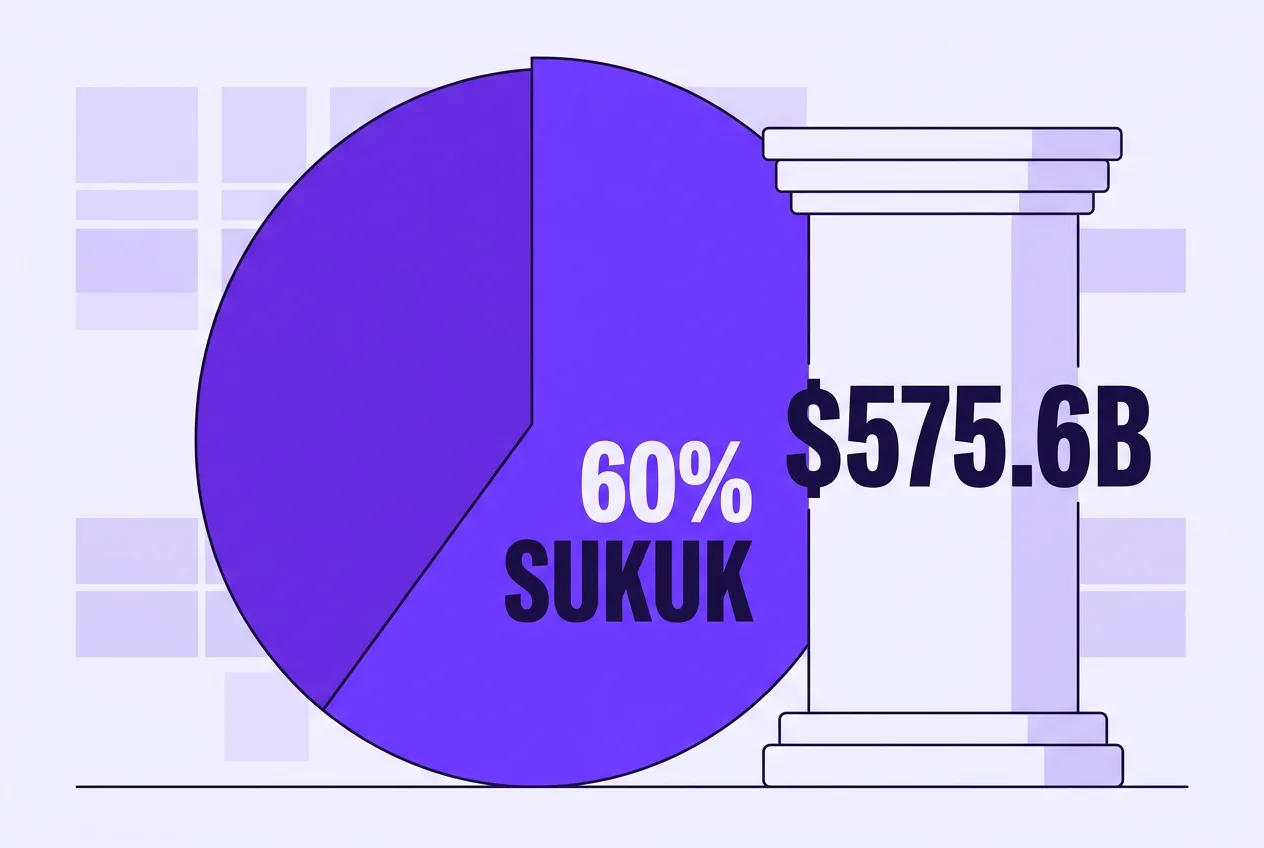
Malaysia’s outstanding bond and sukuk market reached approximately US$575.6 billion at the end of June 2026. Sukuk represented more than 60 percent of new issuance in 2025, and corporate bond fundraising totalled US$92.34 billion between January 2025 and June 2026. These figures provide the baseline for any tokenized volume that SSDS+ may attract.
Earlier pilot activity included a tokenized sukuk transaction arranged by Khazanah Nasional in 2026. That test demonstrated basic lifecycle processes but operated outside the main depository. SSDS+ now places those functions inside the regulated central securities depository framework and links them to RENTAS+ for atomic settlement.
BNM Governor Dato’ Sri Abdul Rasheed Ghaffour described the launch as a milestone that modernises market infrastructure. The statement emphasised security, speed and flexibility for future payment and securities use cases without providing numerical targets.
Next Steps for Participants and Market Development
BNM expects institutions to complete technical integration and participant testing before live issuance begins. The Digital Asset Innovation Hub will continue to coordinate pilot projects that involve Islamic finance instruments and other real-world assets. Secondary-market trading of tokenized securities will require additional rule changes and liquidity arrangements.
Market participants can monitor onboarding schedules and technical specifications published on the BNM website. The platform’s design supports broader access over time, yet initial activity will stay within the existing wholesale segment. No timetable for retail bond tokenization was released.
Frequently asked questions
What does SSDS+ replace in Malaysia’s bond market?
SSDS+ replaces the previous scripless securities depository system used for wholesale debt instruments and adds distributed ledger technology for tokenized securities.
How does RENTAS+ connect to SSDS+?
RENTAS+ provides 24/7 real-time gross settlement in central bank money for transactions recorded on the SSDS+ platform.
When will retail investors access tokenized bonds on SSDS+?
Retail access depends on future regulatory approvals and participant onboarding; the initial rollout targets wholesale market participants only.
What is the current size of Malaysia’s bond and sukuk market?
The market stood at approximately US$575.6 billion as of end-June 2026, with sukuk accounting for more than 60 percent of issuance in 2025.
Comments
No comments yet. Be the first!