News DeFi
Aerodrome Velodrome Aero Merge Launches Unified DEX Across Seven Networks
Key points
Aerodrome and Velodrome completed their merger on October 21, 2026, to launch Aero, a cross-chain decentralized exchange operating on seven networks with combined monthly DEX volume near $120 billion.
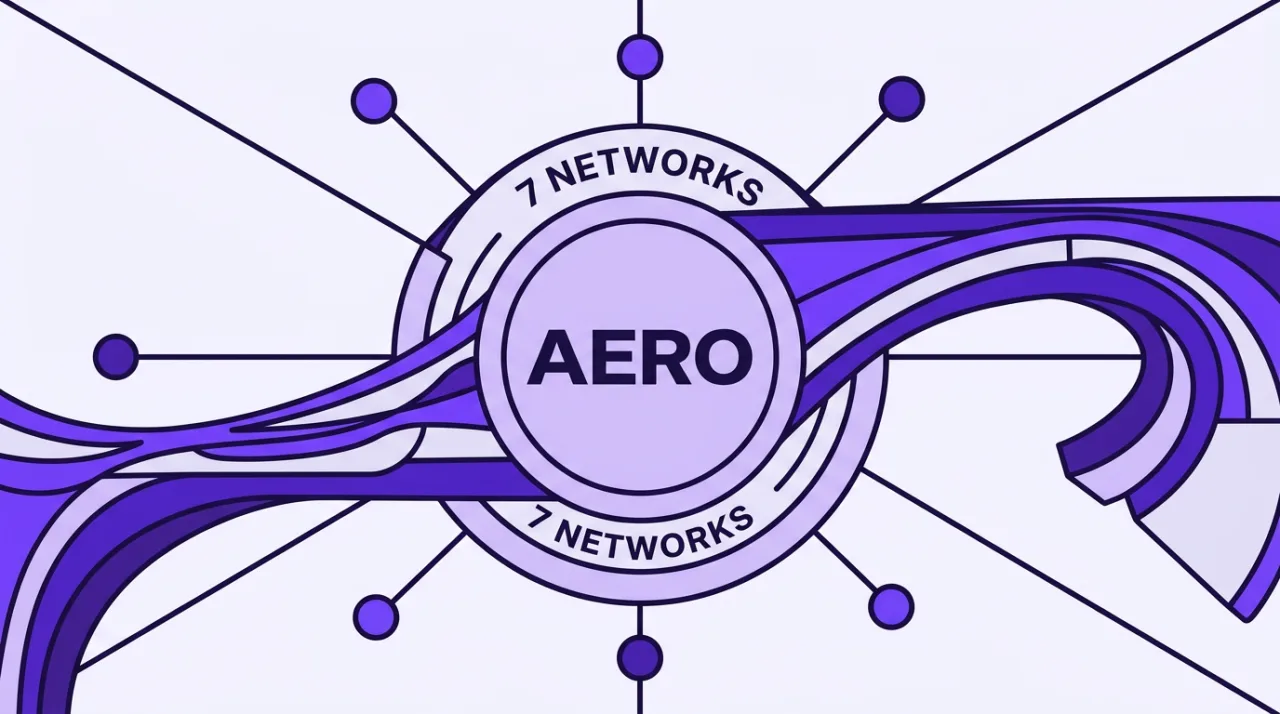
Aerodrome and Velodrome merged on October 21, 2026, at 8:00 PM EDT to launch Aero, a single on-chain spot decentralized exchange developed by Dromos Labs. The platform went live across seven networks: Ethereum mainnet, Base, Robinhood Chain, Ink, OP Mainnet, Arc, and Arbitrum. These chains together process roughly $120 billion in monthly DEX volume.
Aerodrome Velodrome Aero Merge Details Token Migration and Economics
The merger combined the two protocols into one entity with a new token, AERO. Holders of the prior AERO token receive a 1:1 conversion to the new AERO. VELO holders convert at an approximate rate of 0.044 new AERO per VELO. Aerodrome participants receive about 94.5 percent of the new supply, while Velodrome participants receive 5.5 percent, reflecting the prior 52-week revenue split of roughly $260 million versus $15 million. The new maximum supply sits between 2.11 billion and 2.13 billion tokens.
Migration is not automatic. Self-custodied holders access upgrade portals at aerodrome.finance or velodrome.finance to convert veAERO and veVELO positions into sAERO. Centralized exchanges such as Binance and Coinbase manage conversions on their own timelines. All exchange revenue now flows directly to sAERO stakers. The legacy weekly ve(3,3) voting and emissions system has been replaced by Predictive Allocation, which enables real-time, continuous, cross-chain reward steering by stakers, along with gauge caps and the AER Engine. The predecessor protocols had returned approximately $578 million to $580 million in lifetime revenue to holders.
Liquidity providers must migrate pools through the same portals. The process is irreversible, so users are advised to claim pending rewards and votes before migrating. New contract addresses are published through official channels at aero.xyz.
Background on the ve(3,3) DEX and Cross-Chain Expansion
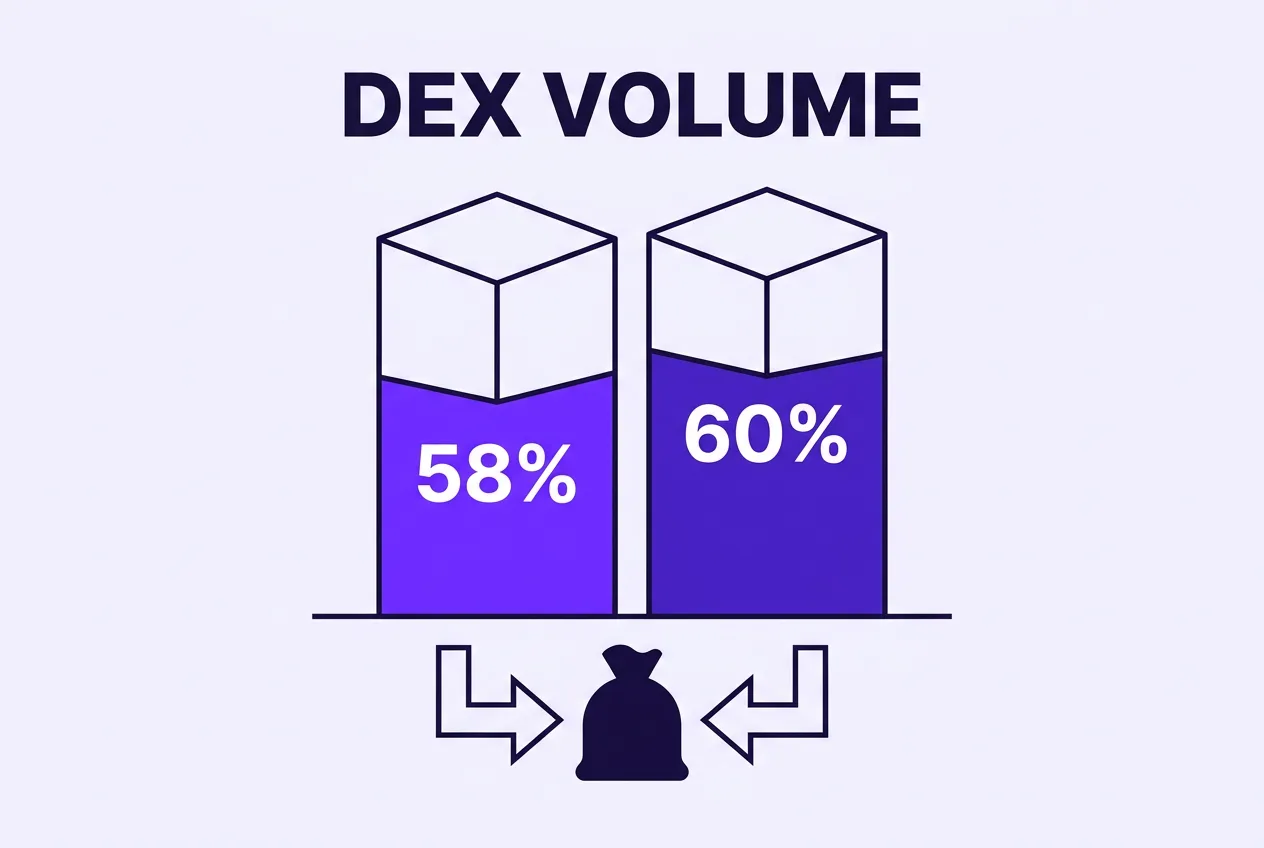
Aerodrome had captured roughly 58 percent of DEX volume on Base during the third quarter of 2026. Velodrome had held about 60 percent on OP Mainnet. The merger was first announced in November 2025 and faced delays from original Q2 and September targets while audits were completed. The combined entity operates without venture capital funding or a token sale, with the full supply allocated to existing holders.
New technical features include Metaswaps, which allow single-transaction cross-chain swaps through on-chain liquidity and a MetaRouter without separate bridging steps. Slipstream V3 introduces concentrated liquidity with dynamic fees and MEV capture on selected networks. Predictive Allocation and Autopilot mechanisms automate incentive distribution tied to revenue performance. The seven networks now operate under unified liquidity and governance.
Next Steps for Liquidity Providers and Further Integrations
Migration portals opened at launch. Liquidity providers are expected to move pools promptly to maintain trading activity. Further chain expansions and integrations with wallets and agents are planned to capture broader retail, institutional, and agentic on-chain flow. The unified protocol aims to consolidate market share previously split between the two separate deployments while maintaining the revenue-sharing model that previously distributed hundreds of millions of dollars to token holders.
Frequently asked questions
How does the AERO token migration work?
Old AERO converts 1:1 to new AERO. VELO converts at approximately 0.044 new AERO per VELO. Self-custodied holders complete the process through upgrade portals, while exchanges handle conversions separately.
What happens to veAERO and veVELO positions after the merger?
veAERO and veVELO convert to sAERO. Stakers receive 100 percent of exchange revenue under the new model. Positions must be migrated before using new features such as Predictive Allocation.
Which networks does Aero operate on at launch?
Aero runs on Ethereum mainnet, Base, Robinhood Chain, Ink, OP Mainnet, Arc, and Arbitrum. These chains combined process nearly $120 billion in monthly DEX volume.
What replaces the weekly ve(3,3) emissions system?
Predictive Allocation enables real-time cross-chain reward steering by stakers. Additional tools include gauge caps and the AER Engine for automated, revenue-linked incentives.
Comments
No comments yet. Be the first!