News Bitcoin
Switzerland Bitcoin ETF Receives FINMA Approval for Retail Investors
Key points
FINMA approved BIT Asset Management’s spot Bitcoin Fund ETF on 20 October 2026, clearing the first retail-accessible product of its kind in Switzerland for trading in November.

Switzerland’s Financial Market Supervisory Authority granted approval on 20 October 2026 for the country’s first retail Bitcoin ETF. The decision covers BIT Asset Management AG’s Bitcoin Fund ETF, which will trade under the ticker BBIT on the SIX Swiss Exchange starting in mid-November.
Switzerland Bitcoin ETF Structure and Regulatory Safeguards
The fund is classified as an “other fund for alternative investments” under Swiss law. FINMA granted an exemption from standard diversification requirements because Bitcoin maintains a longer trading record and higher liquidity than other digital assets. Custody and operational controls must follow guidance issued by the regulator in January 2026.
Point-of-sale rules under the Financial Services Act require suitability assessments for each investor. Fund documentation must include explicit warnings about price volatility and the possibility of total capital loss. These measures replace the qualified-investor restriction that applied to the 2021 crypto fund approval.
Trading will occur on the SIX Swiss Exchange once the listing process concludes. The issuer stated that the product is structured as a collective investment scheme rather than a debt security, distinguishing it from earlier Swiss Bitcoin exchange-traded products.
Context of Prior Swiss Crypto Fund Approvals
Before this approval, Swiss Bitcoin vehicles were limited to exchange-traded products structured as debt instruments or to funds sold only to professional clients. The 2021 FINMA authorisation for a crypto fund carried an explicit qualified-investor limitation that prevented broader retail distribution.
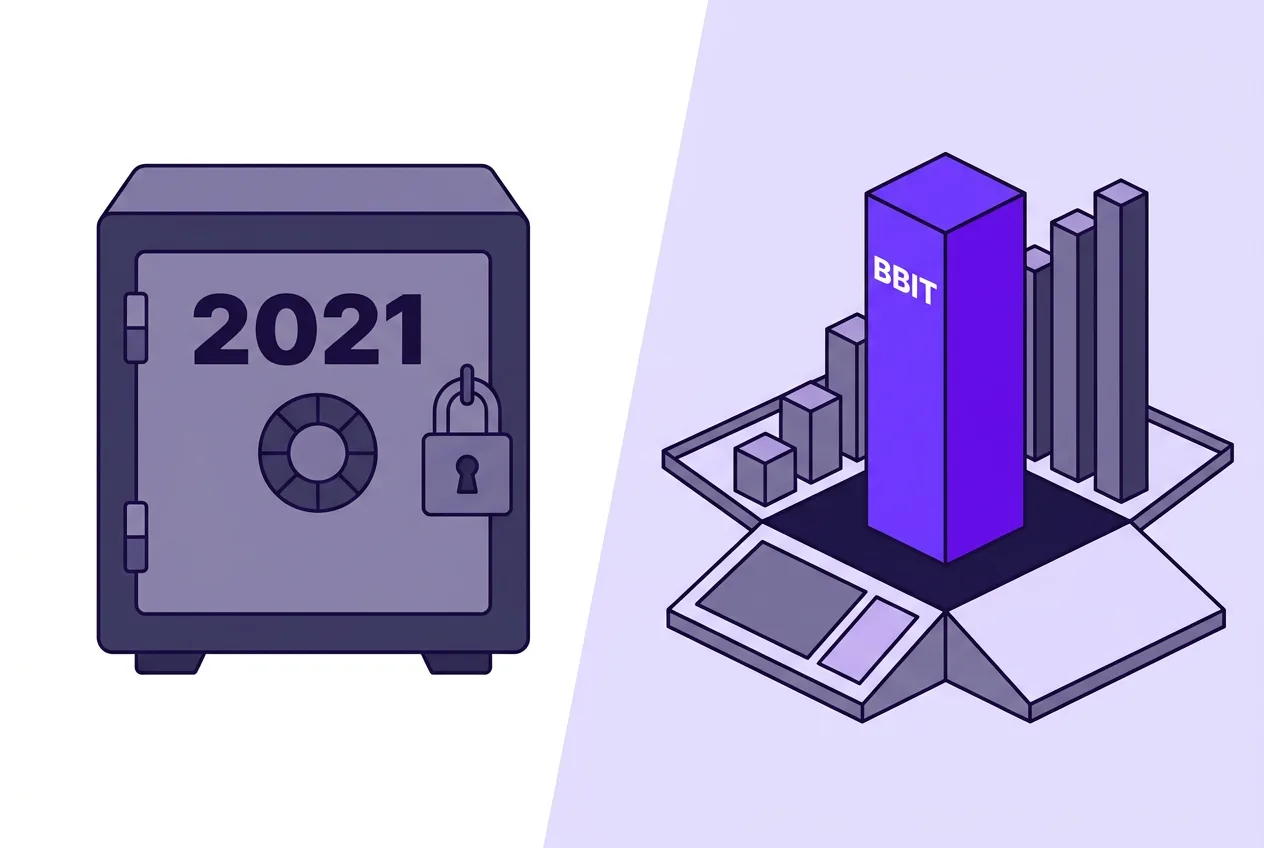
FINMA’s announcement noted that Bitcoin’s trading history supported the diversification exemption but did not eliminate the asset’s inherent risks. The regulator did not identify the issuer in its public statement, although BIT Asset Management separately confirmed receipt of the licence.
Additional applications from other managers are understood to be under review. The Swiss framework now permits a spot Bitcoin ETF for retail investors while maintaining existing conduct and disclosure standards at the point of distribution.
Next Steps for Listing and Market Participation
Market participants can expect the BBIT listing to occur on the SIX Swiss Exchange in November 2026 once final administrative steps are completed. Exact settlement and trading parameters will be published by the exchange closer to the launch date.
Retail investors will access the product through licensed intermediaries that apply FinSA suitability checks. The structure provides direct exposure to Bitcoin holdings held under regulated custody arrangements, subject to the risk disclosures already approved by FINMA.
Frequently asked questions
When will the Switzerland Bitcoin ETF begin trading?
Trading on the SIX Swiss Exchange is scheduled to start in mid-November 2026 after the issuer completes final listing requirements.
Who approved the first retail Bitcoin ETF in Switzerland?
The Financial Market Supervisory Authority (FINMA) issued the approval on 20 October 2026.
What investor protections apply to the new Bitcoin ETF?
Suitability assessments under FinSA, explicit volatility warnings, and custody standards outlined in FINMA’s January 2026 guidance must be followed at the point of sale.
How does the approved product differ from earlier Swiss Bitcoin vehicles?
Previous offerings were structured as debt securities or limited to qualified investors, whereas the new fund is a collective investment scheme open to retail clients.
Comments 1