News Canton Network
Uber Canton Pilot Completes 24/7 Tokenized Treasury Test on Canton Network
Key points
On October 30, 2026, Uber finished a pilot that used tokenized deposits and funds for weekend treasury operations on the Canton Network.
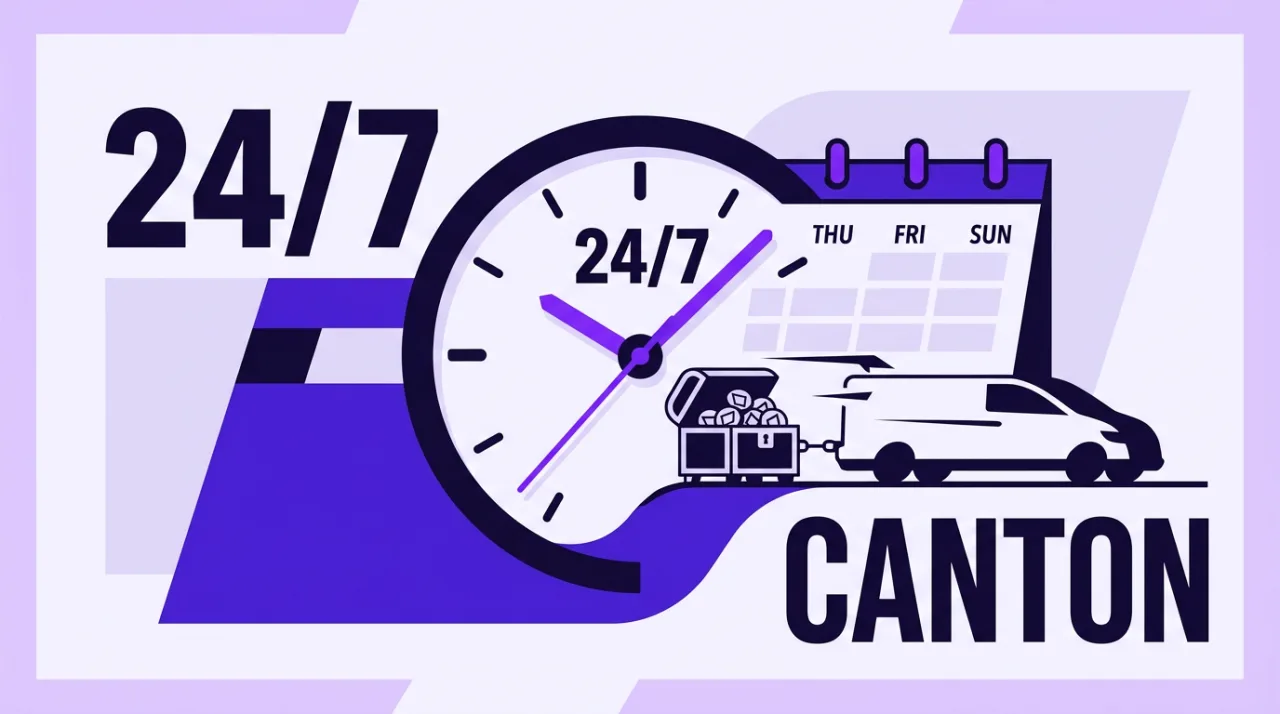
Uber completed a pilot on October 30, 2026, that demonstrated 24/7 on-chain liquidity and settlement for corporate treasury on the Canton Network. The test involved HSBC Bank USA, Franklin Templeton, Tradeweb Markets and Fireblocks.
Uber used HSBC tokenized deposits to buy shares in a Franklin Templeton tokenized money market fund through Tradeweb. Settlement occurred atomically via delivery-versus-payment on Canton using Fireblocks wallets.
Details of the Uber Canton pilot
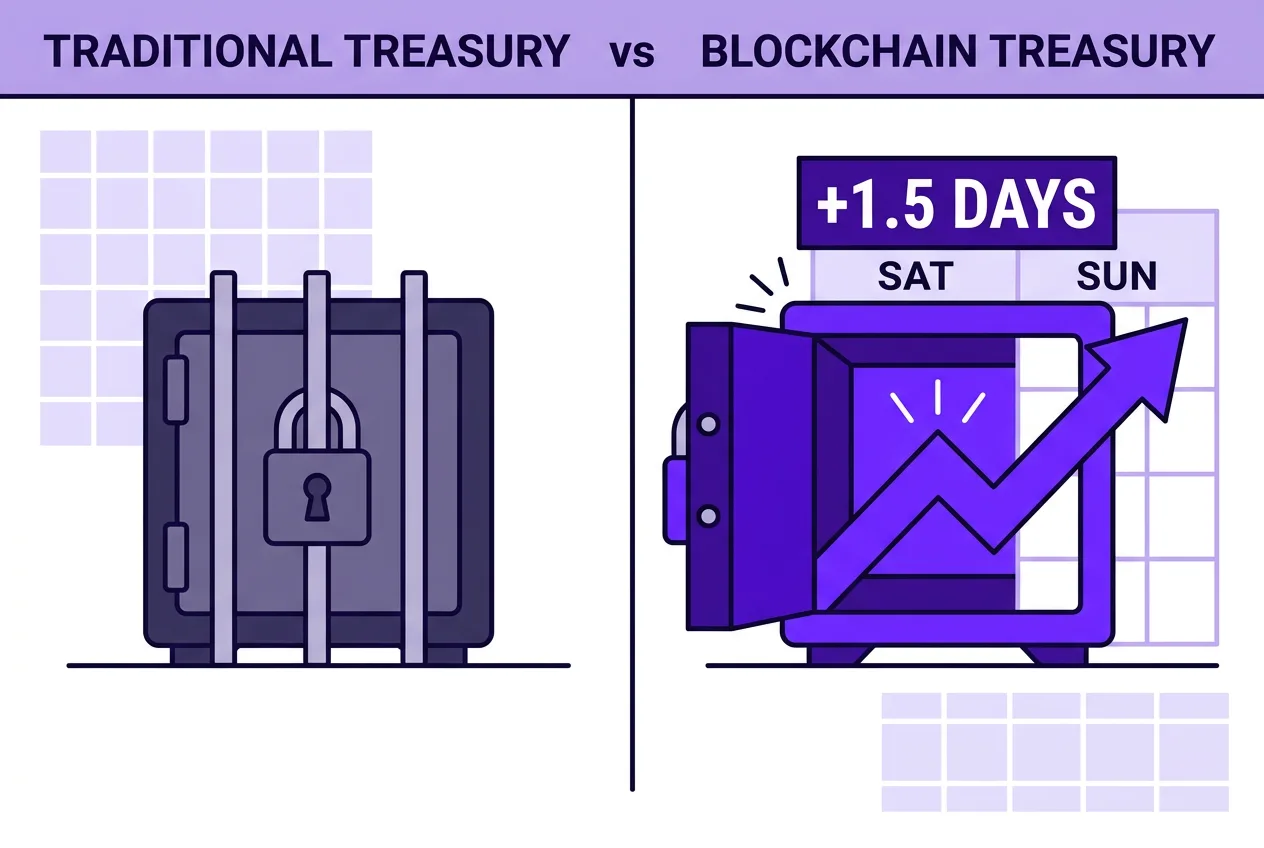
The pilot allowed Uber to purchase the tokenized money market fund on a Thursday and redeem a portion of the holdings on Sunday. This approach delivered roughly 1.5 extra days of yield compared with traditional liquidation before Friday market close. Continuous yield accrual remained available until funds were disbursed.
Atomic settlement reduced counterparty risk during the transaction. The system also supported closed-loop fiat settlement back to verified corporate accounts. Interoperability between bank liabilities and regulated fund shares was confirmed across the participants.
HSBC Tokenized Deposits, which represent FDIC-insured deposit liabilities, served as the payment instrument. Franklin Templeton supplied the tokenized fund shares. Tradeweb provided the execution venue and Fireblocks handled wallet custody and transfer.
Background and market context for tokenized treasury
Corporate treasuries have historically maintained large cash buffers to cover payment obligations because of weekend and holiday cutoffs plus multi-day settlement cycles. The pilot addressed those constraints by keeping funds invested in a regulated product until actual disbursement was required.
Canton Network supplied the shared, permissioned infrastructure that enabled privacy-preserving transfers among the institutions. The network already supports other institutional tokenization projects, including a DTCC service launched earlier in 2026 on Canton and Besu networks with twenty major participants.
HSBC stated that the technical capability is now available to other U.S. corporate customers. The bank plans to expand the range of tokenized investment options in the coming months. Franklin Templeton, Tradeweb and Fireblocks noted that the workflow extends existing electronic processes to full 24/7 operation.
Next steps after the Canton Network pilot
HSBC intends to broaden rollout to additional U.S. corporates. Fireblocks anticipates that similar models will be adopted by hundreds of companies within roughly eighteen months. Uber described the exercise as an important first step toward a 24/7 working capital model that reduces the size of required liquidity buffers.
Market participants continue to examine how tokenized bank deposits and funds can integrate with existing payment and clearing systems. The Uber test provides concrete evidence that atomic settlement and continuous yield are achievable under current regulatory structures for institutional cash management.
Frequently asked questions
What did the Uber Canton pilot demonstrate?
The pilot showed that tokenized deposits from HSBC could purchase and redeem Franklin Templeton tokenized fund shares on Canton Network with atomic settlement on weekends.
How much extra yield did Uber capture in the test?
Uber earned approximately 1.5 additional days of yield by redeeming holdings on Sunday instead of liquidating before Friday market close.
Which institutions participated in the Uber Canton pilot?
HSBC Bank USA, Franklin Templeton, Tradeweb Markets, Fireblocks and Uber completed the October 30, 2026, test on the Canton Network.
Is the tokenized treasury solution available to other companies?
HSBC confirmed the capability is now offered to other U.S. corporate customers with plans to add more tokenized investment options.
Comments 1