News Crypto Regulation
Moscow Exchange crypto trading to begin December 1 with Bitcoin Ethereum and USDT
Key points
Moscow Exchange will start spot trading of Bitcoin, Ethereum and USDT on December 1 through its current stock market systems under new Russian digital asset rules.
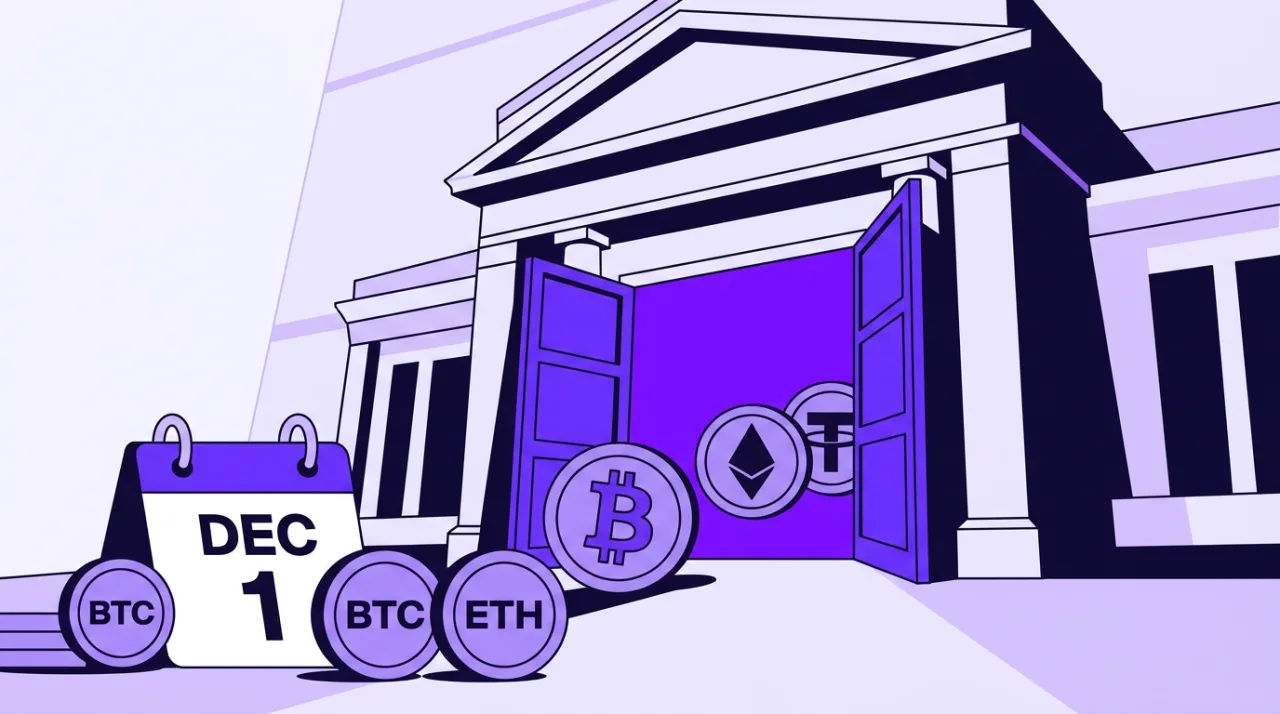
Moscow Exchange plans to open spot trading in Bitcoin, Ethereum and Tether USDT on December 1, 2026, using its existing order-book and matching technology. The move follows Russia's Federal Law on digital currencies that took effect September 1, 2026, and channels crypto activity through licensed intermediaries.
Moscow Exchange crypto trading mechanics and participant requirements
Trading will run from approximately 6:50 a.m. to 11:50 p.m. Moscow time, matching standard equity session hours. Professional participants including brokers have already begun system testing, while custody and recordkeeping will be handled by licensed digital depositories rather than by the exchange itself. Swaps for liquidity management are also scheduled.
Bank of Russia draft Directive No. 7441-U, still completing state registration as of November 1, 2026, designates BTC, ETH and USDT for trading by non-qualified investors. Each intermediary may sell these assets to such investors up to an annual limit of 300,000 rubles, roughly $3,600 at current rates, and investors must complete a knowledge and risk test. Qualified investors face no purchase caps and wider asset access.
Moscow Exchange already offers cash-settled crypto-index futures. The new spot service requires no additional licenses because the exchange holds an existing trading-organizer license. Retail P2P trading faces new restrictions from July 1, 2027.
Regulatory context and market implications
The September 2026 law prohibits domestic crypto payments while permitting trading through regulated channels. Moscow Exchange's pilot therefore represents the first centralized venue where professional and retail participants can execute spot transactions under clear oversight. The three assets were selected after consultation with the central bank and reflect the most liquid instruments currently available.
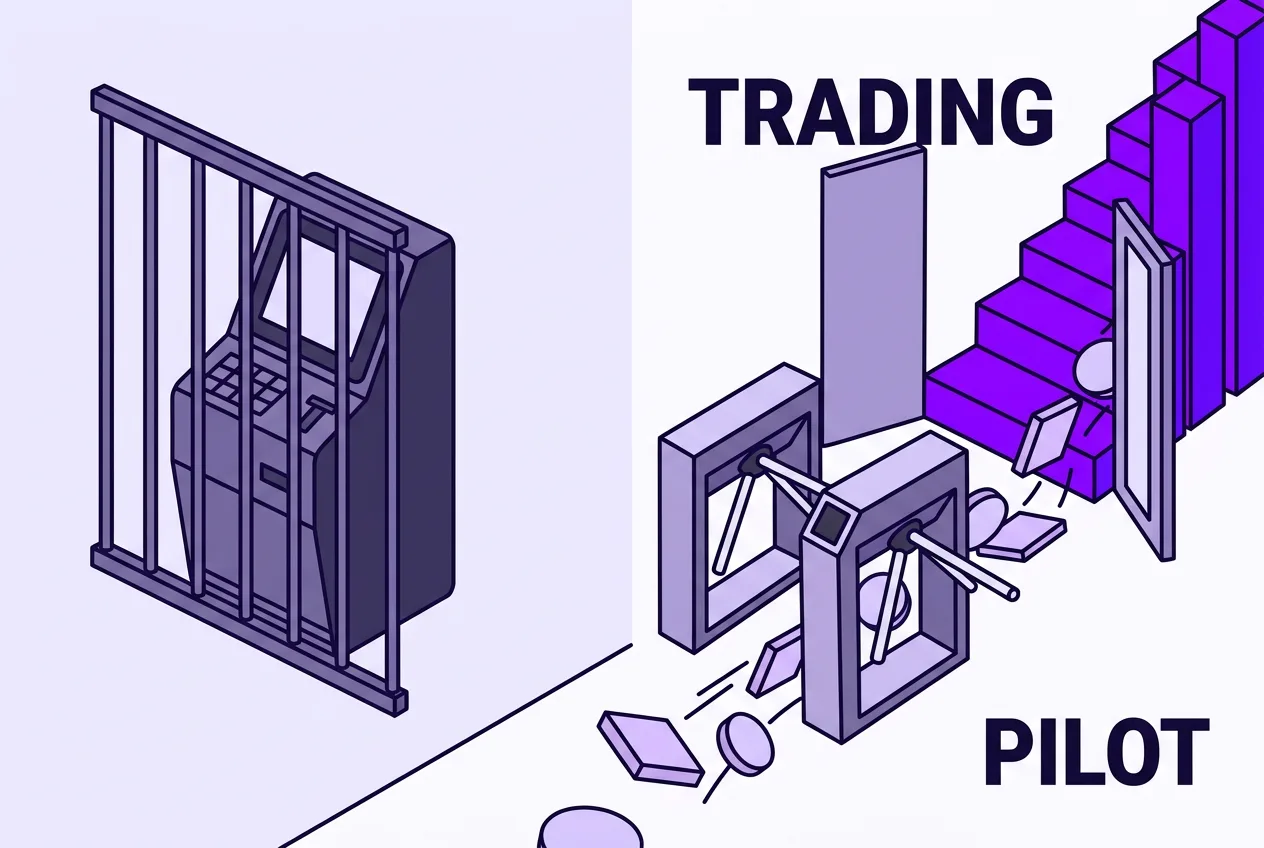
Qualified investors will be able to trade without the 300,000-ruble annual cap that applies to non-qualified clients. The exchange has indicated that participation will expand gradually once the pilot demonstrates operational stability and regulatory compliance. Broader retail access remains subject to final approval of Directive 7441-U and additional testing rounds.
Market participants note that the pilot aligns Russian infrastructure with existing licensed custody providers and reduces reliance on offshore platforms. Daily volumes will be monitored closely during the initial period, with potential for additional pairs or extended hours once the first phase concludes.
Next steps after the December 1 pilot
The December 1 launch date is subject to completion of regulatory registration and final testing sign-off. Moscow Exchange has stated that it will publish detailed participant onboarding materials and technical specifications in the coming weeks. Further asset listings and adjustments to investor limits will depend on observed market behavior and central-bank guidance.
Observers expect the pilot to provide the first official data on domestic crypto turnover under the new framework. Any expansion beyond the three initial assets would require additional central-bank approval and updates to intermediary systems.
Frequently asked questions
When does Moscow Exchange crypto trading start?
Spot trading in Bitcoin, Ethereum and USDT begins on December 1, 2026, during regular equity market hours from roughly 6:50 a.m. to 11:50 p.m. Moscow time.
Who can trade on the Moscow Exchange crypto pilot?
Both professional participants and retail investors who pass a knowledge test can participate. Non-qualified investors face an annual purchase limit of 300,000 rubles per intermediary under the draft directive.
How is custody handled for the new trading service?
Licensed digital depositories manage custody and recordkeeping. Moscow Exchange itself does not hold client assets directly.
What happens after the December pilot phase?
Expansion of assets, hours or investor limits depends on regulatory finalization of Directive 7441-U and performance data collected during the initial months of operation.
Comments
No comments yet. Be the first!