News Regulation
MiCA 2.0 Proposals Target DeFi Gateways and Protocol Registration in EU Review
Key points
ESMA and French regulators have outlined concrete steps to bring DeFi access points under MiCA oversight through new gateway licensing and certification requirements.

The European Commission continues to review responses to its public consultation on the Markets in Crypto-Assets Regulation that ran from 20 May to 30 September 2026. ESMA and French authorities submitted detailed proposals on 30 September and mid-October respectively, focusing on DeFi services that fall outside the current fully decentralised exemption.
ESMA Calls for Narrower DeFi Exemption and New CASP Category
ESMA recommends introducing a precise legal definition of decentralised finance in the MiCA text. The authority wants to limit the scope of the existing exemption in Recital 22, which currently covers services provided without any intermediary. Its response proposes a new crypto-asset service provider category for gateways and interfaces that give clients access to DeFi protocols.
Entities in this category would face obligations on disclosure, transparency, conflicts of interest management, due diligence on connected protocols, and cybersecurity controls. ESMA also suggests the Commission adopt binding opinions on token classification and introduce conduct rules for staking, lending and borrowing activities. The authority further proposes prohibiting CASPs from offering stablecoins that do not comply with MiCA requirements.
These recommendations form part of the broader MiCA review mandated under Regulation (EU) 2023/1114, which has applied in full since 30 December 2024. The original regulation left several DeFi-related questions open because it did not define the term or create dedicated rules for protocol access points.
French Authorities Advocate Due Diligence and Voluntary Certification
The French Treasury, AMF, Banque de France and ACPR jointly proposed that CASPs perform ongoing due diligence and monitoring on DeFi protocols they connect to clients. They suggested that inadequate checks could create liability for certain incidents. The authorities also outlined a voluntary certification scheme for protocols and smart contracts, with a possible three-year validity period and on-chain recording of certificates.
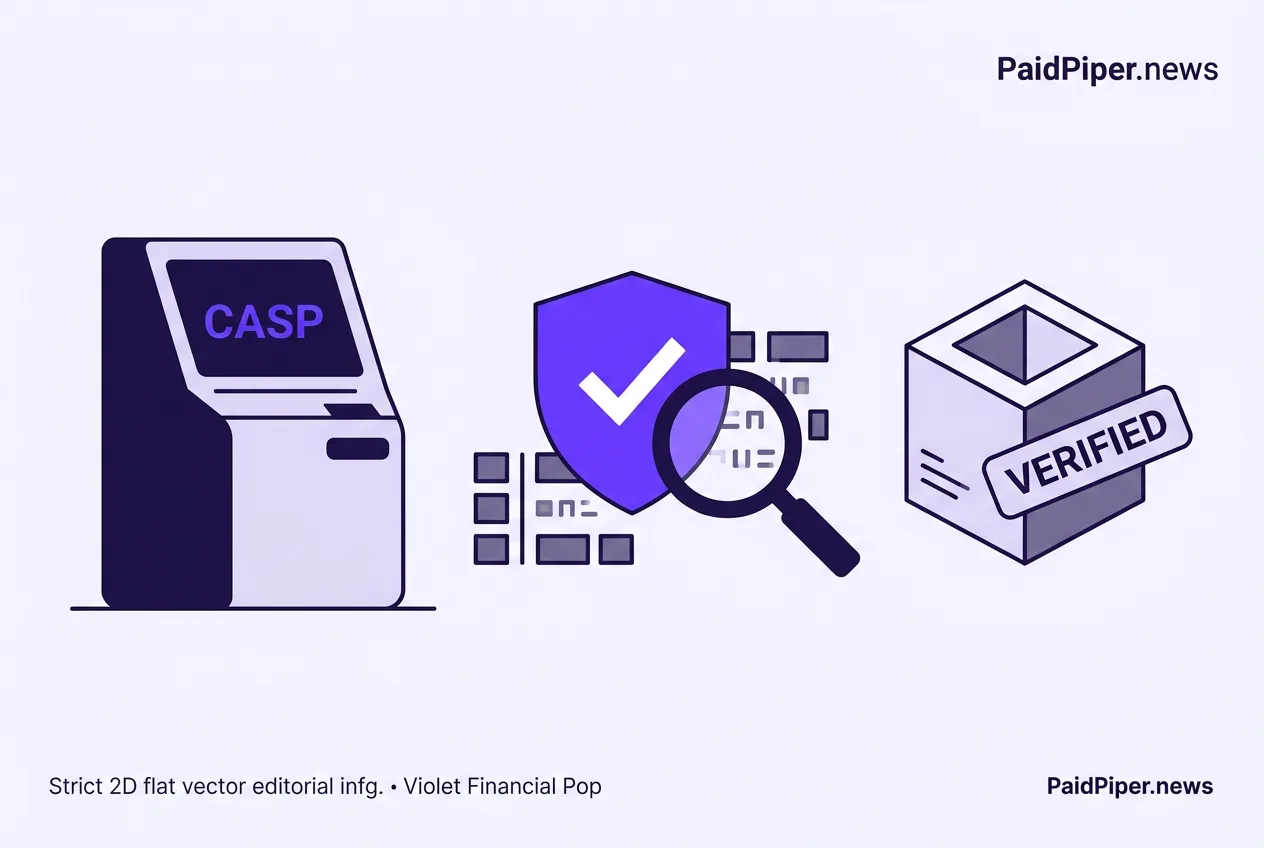
Under the French proposal, uncertified protocols could still be offered, but with enhanced disclosure requirements. The measures aim to reduce risks while preserving choice for professional users. Both the ESMA and French responses are now under analysis by the Commission, which must deliver its review report by 30 June 2027. Any resulting legislative proposals would undergo the ordinary legislative procedure and could not take effect before 2028 at the earliest.
Market Implications and Next Steps
Professional investors and infrastructure providers are watching how the Commission incorporates these suggestions into the 2027 report. A new gateway authorisation regime or certification framework would require significant operational changes for exchanges and wallet providers that currently route client orders to decentralised protocols. Market participants have until the Commission publishes its formal proposals to submit additional evidence on implementation costs and technical feasibility.
Frequently asked questions
Has the European Commission published a MiCA 2.0 draft?
No official draft has been issued. The Commission is still analysing responses to its 2026 consultation and must publish a report by June 2027 that may contain legislative proposals.
What new CASP obligations does ESMA propose for DeFi?
ESMA suggests creating a regulated gateway service with duties covering disclosure, due diligence on protocols, conflict management and cybersecurity.
What certification scheme have French authorities recommended?
They proposed a voluntary three-year certification for smart contracts and protocols, recorded on-chain, with uncertified protocols allowed only under stricter disclosure rules.
When could any new DeFi rules under MiCA take effect?
Even if the Commission proposes legislation in 2027, the full legislative process means binding rules would likely apply no earlier than 2028.
Comments
No comments yet. Be the first!