News BNY Mellon
BNY Mellon Institutional Crypto Custody Adds Ethereum Staking Through Galaxy Digital
Key points
BNY Mellon announced a collaboration with Galaxy Digital on August 4, 2026, to integrate staking into its institutional crypto custody platform.

BNY Mellon announced on August 4, 2026, a collaboration with Galaxy Digital to add staking services to its Digital Asset Custody platform for eligible institutional clients. The move allows clients to stake proof-of-stake assets while assets remain under BNY custody.
Partnership details and platform integration
The service combines Galaxy Digital’s validator infrastructure with BNY Mellon’s existing custody controls. Clients can earn staking rewards on supported proof-of-stake networks without moving assets off the platform. Coverage of the announcement references Ethereum and Solana as primary examples of assets that could be supported, though BNY has not released an official asset list.
Galaxy also serves as a design partner for further platform improvements. No fee schedule, minimum staking amounts, or exact launch date have been disclosed. The offering remains subject to regulatory review in relevant jurisdictions before it becomes available to clients.
BNY Mellon’s custody platform already holds Bitcoin and Ethereum for U.S. clients and expanded in October 2026 to support additional assets including Solana and USDC for European institutions under MiCA rules. The new staking feature extends these capabilities while keeping assets within BNY’s governance framework.
Background on BNY Mellon’s digital asset growth
BNY Mellon launched its Digital Asset Custody platform in the United States in October 2022, initially serving select clients with Bitcoin and Ethereum through technology provided by Fireblocks and Chainalysis. The bank has since added support for tokenized deposits in January 2026 and continues to expand its digital asset services.
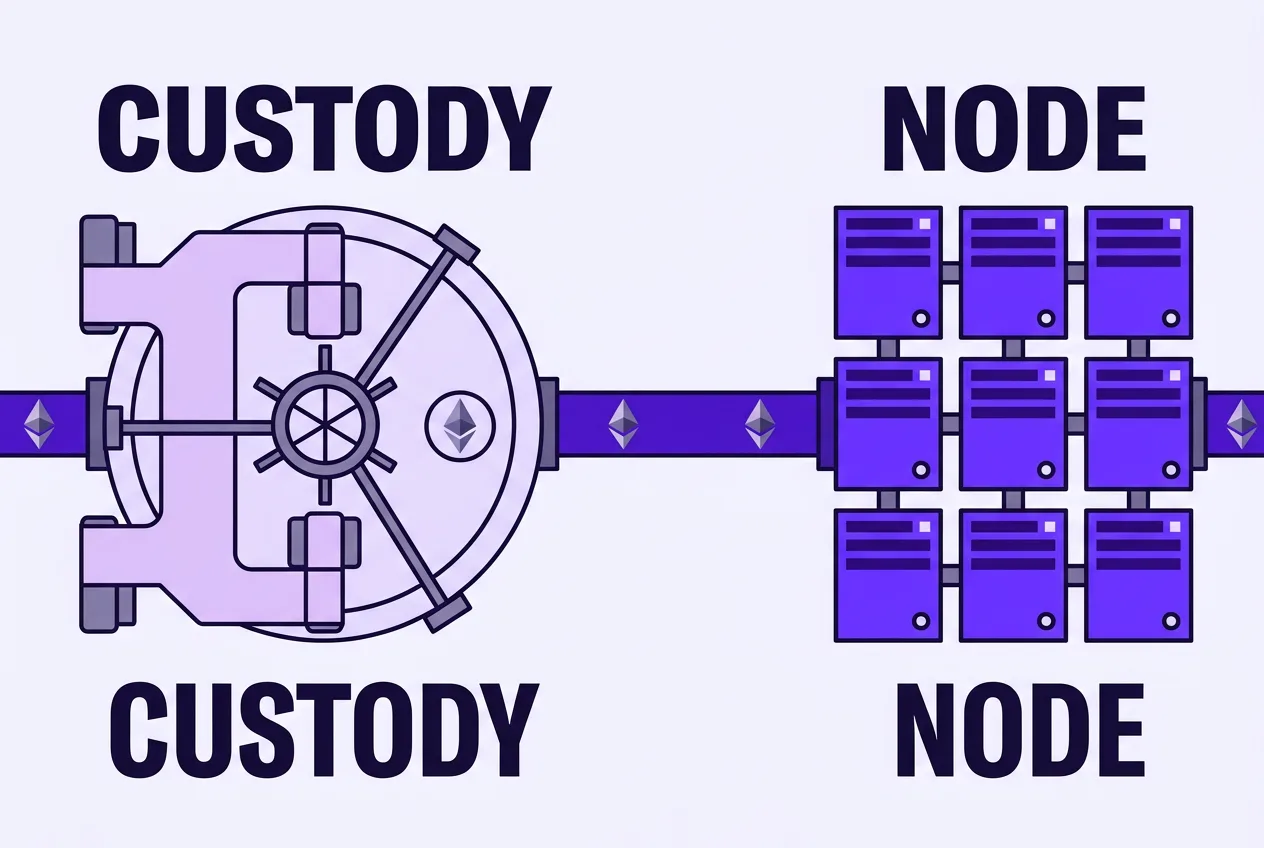
As of June 30, 2026, BNY Mellon oversaw $62.6 trillion in assets under custody and administration and $2.2 trillion in assets under management. The firm serves more than 90 percent of Fortune 100 companies. Its digital asset unit has grown steadily since 2021, reflecting demand from institutional clients for integrated custody and yield-generating services.
Galaxy Digital reported approximately $3.2 billion in staked assets under management as of March 31, 2026. The partnership pairs this staking expertise with BNY Mellon’s institutional controls, a model described by BNY executive Carolyn Weinberg as meeting client needs beyond basic safekeeping.
Regulatory outlook and next steps
BNY Mellon has stated that rollout timing and supported assets will depend on regulatory approvals. The bank is also testing tokenized Treasury instruments on a private blockchain, with plans for 24/7 settlement capabilities targeted for 2027.
Further platform enhancements are expected as the bank evaluates additional tokenized asset services. Institutional clients seeking staking rewards will continue to monitor regulatory developments that determine when the service can be offered.
Frequently asked questions
When will BNY Mellon clients be able to stake Ethereum?
The service requires regulatory approvals before launch. No specific rollout date has been announced.
Which assets are supported for staking under the new offering?
BNY Mellon has not published a final asset list. Coverage indicates focus on proof-of-stake networks such as Ethereum and Solana.
Do clients need to move assets outside BNY custody to stake?
No. The integration is designed to keep assets within BNY Mellon custody while enabling staking rewards.
What is the current status of BNY Mellon’s digital asset custody platform?
The platform launched in the U.S. in 2022 and expanded to EU clients in October 2026 under MiCA rules, supporting BTC, ETH, SOL and USDC.
Comments
No comments yet. Be the first!