News Bitcoin
BitGo Bitcoin staking Launches for Qualified Institutional Clients via Stacks
Key points
BitGo Bank & Trust launched Bitcoin staking via Stacks for eligible institutional clients on November 3, 2026, keeping assets in qualified custody.
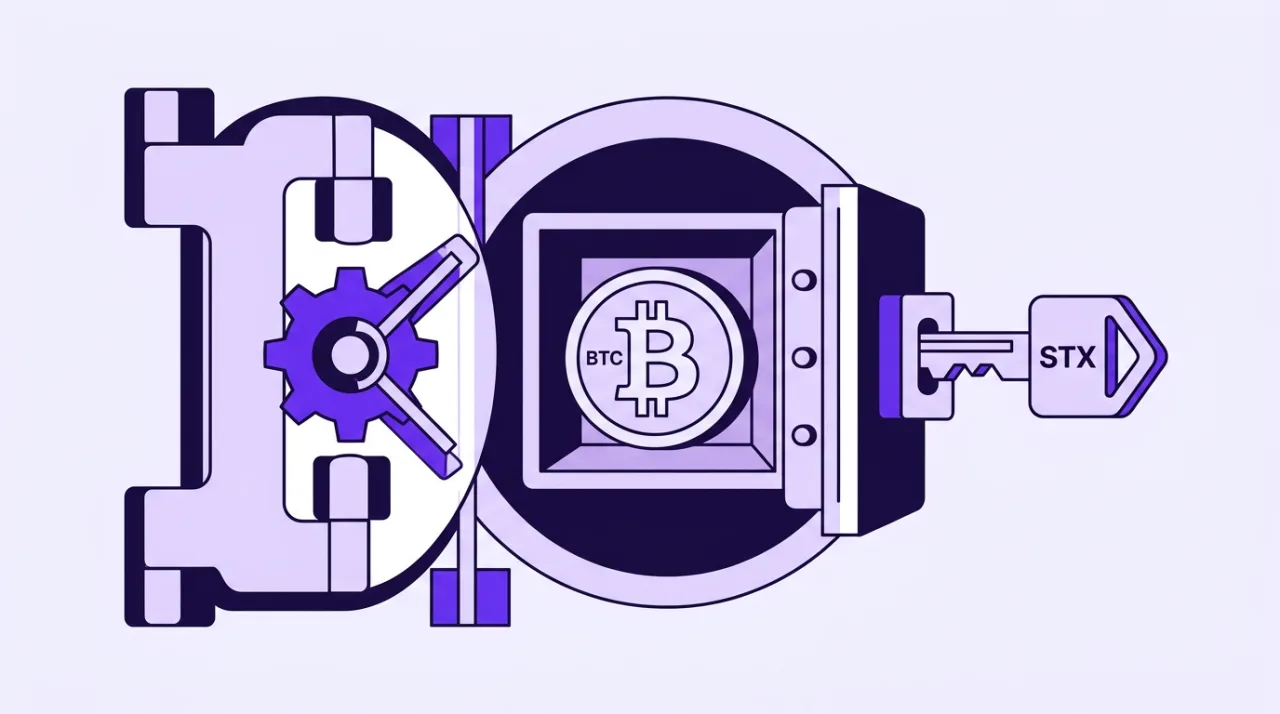
BitGo Bank & Trust, N.A. launched Bitcoin staking through the Stacks PoX-5 protocol on November 3, 2026, for qualified institutional clients. The service allows institutions to stake BTC directly from existing BitGo custody accounts while maintaining full qualified custody status.
Mechanics of BitGo Bitcoin staking through Stacks
Clients timelock BTC on the Bitcoin network using standard scripts for periods of approximately six months. The locked BTC stays in BitGo qualified custody and is never lent, bridged, wrapped, or moved off-chain. Each staked BTC position requires a paired STX holding equal to roughly 5 percent of the BTC value, and both positions remain locked for the duration of the bond.
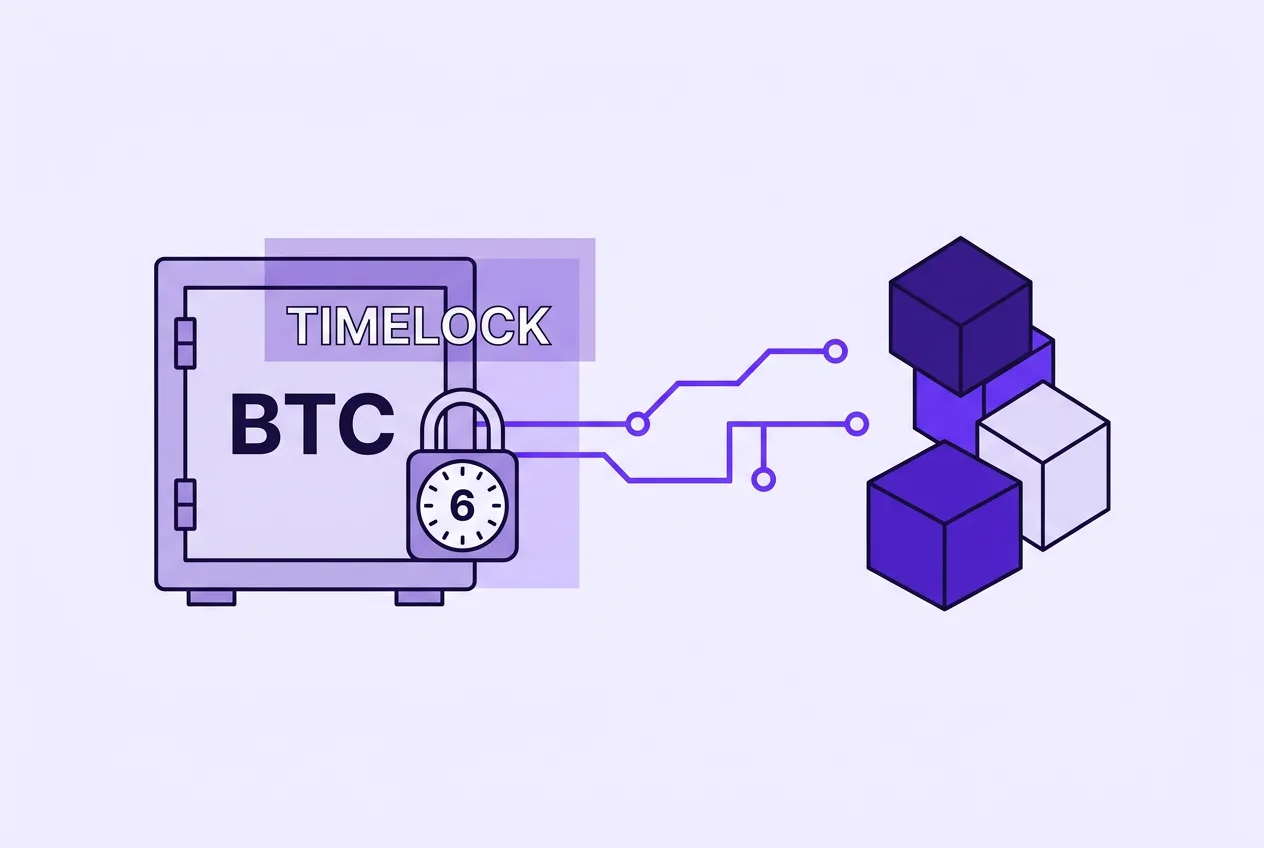
Rewards accrue in BTC and are funded by the BTC that Stacks miners spend to produce blocks. The realized rate varies with miner activity, with announcements citing a target around 3 percent APY. No protocol-level slashing applies, and rewards can be directed to a separate address. Institutions must accept the market price risk on the required STX position.
The structure addresses common institutional requirements around custody, compliance, and accounting treatment. It keeps principal and rewards separable, which supports ETP and ETF issuers that need clear tracking of income streams.
Institutional context and prior integrations
BitGo has supported Stacks custody since 2021 and added sBTC functionality earlier. The new staking service extends these capabilities while preserving the qualified custodian framework that many institutions require for regulatory and operational reasons. Stacks PoX links Stacks block production to Bitcoin commitments without requiring BTC to leave the base layer.
Access begins with whitelisted institutional partners managed by Stacks Labs. Other qualified institutions may express interest through designated contact channels. Minimum sizes, exact fees, and the schedule for additional bonding periods have not been published in the initial announcements.
The launch responds to growing institutional demand for yield opportunities that do not compromise custody standards or introduce counterparty risk through lending or bridging. By keeping assets on the Bitcoin network under BitGo control, the offering aligns with existing custody agreements and audit practices.
Rollout timeline and eligibility
Subsequent bonding periods will expand availability according to Stacks Labs scheduling. Institutions seeking participation must meet BitGo’s existing qualification criteria and complete the required STX pairing. The service remains limited to professional clients and does not extend to retail accounts at this stage.
Market participants note that the 3 percent target APY is variable and depends on ongoing miner spending behavior on the Stacks network. Institutions evaluating the product will need to monitor realized rates and STX price movements separately from the BTC staking returns.
Frequently asked questions
How does BitGo Bitcoin staking keep assets in qualified custody?
BTC is timelocked on the Bitcoin network using standard scripts and remains in BitGo Bank & Trust accounts. No assets are bridged, wrapped, or lent to third parties.
What yield can institutions expect from Stacks PoX staking?
Announcements cite a target around 3 percent APY paid in BTC. Actual returns depend on Stacks miner activity and are not guaranteed by the protocol.
Is an STX position required alongside staked BTC?
Yes. Each BTC position must be paired with STX worth approximately 5 percent of the BTC value. Both assets stay locked for the bond period and carry market risk.
Who can access the BitGo staking service at launch?
The service is initially limited to whitelisted institutional partners managed by Stacks Labs. Other qualified institutions may register interest through official channels.
Comments
No comments yet. Be the first!