News Visa
Visa Stablecoin Settlement Adds Monad Blockchain for Issuer Options
Key points
Visa has added the Monad blockchain to its stablecoin settlement program, allowing participating issuers to clear obligations using stablecoins on the high-throughput EVM-compatible network.
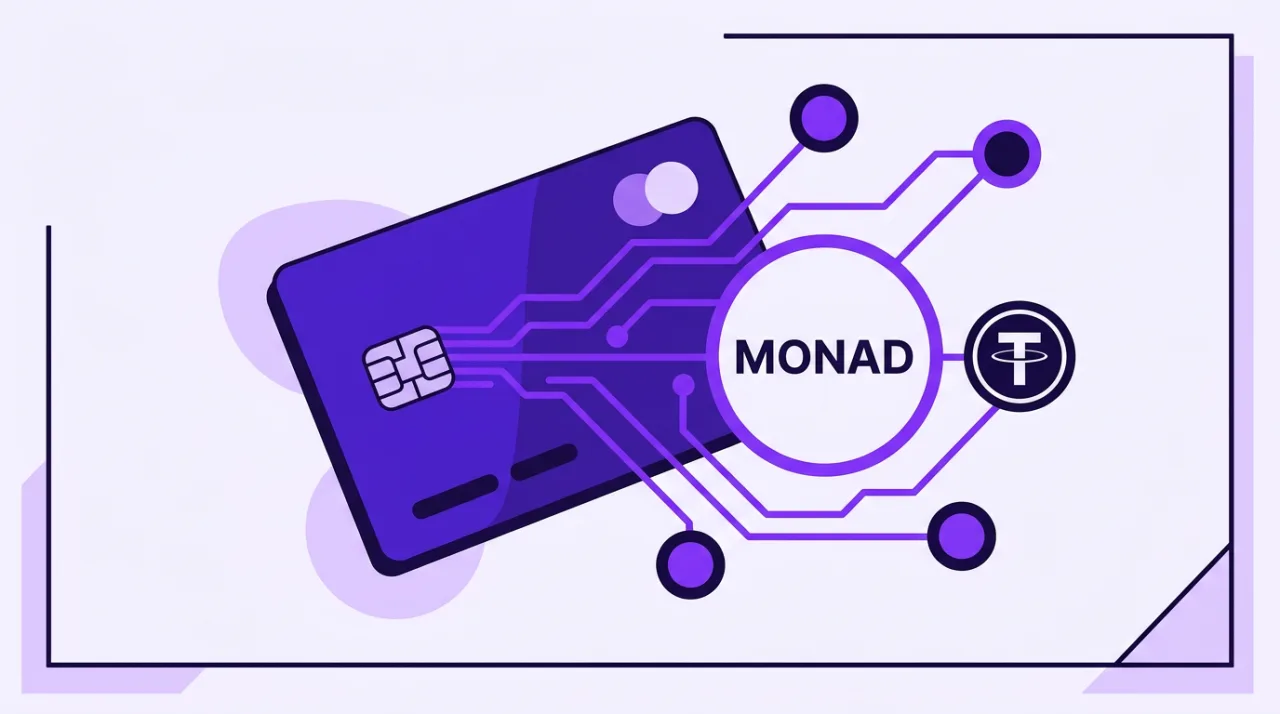
Visa added the Monad blockchain to its stablecoin settlement program on November 10, 2026. The Monad Foundation announced the change, which lets participating card issuers and acquirers settle obligations with Visa using stablecoins on the network. The move extends existing options that already cover nine other blockchains.
Program Details and Network Capabilities
The addition gives issuers a tenth settlement network alongside Avalanche, Ethereum, Solana, Stellar, Circle’s Arc, Base, Canton, Polygon, and Tempo. The five networks added in April 2026 completed the prior expansion round. Visa itself has not released a separate statement confirming the update.
Monad is described as a high-throughput EVM-compatible Layer 1 blockchain. Settlement on the network runs 24 hours a day, seven days a week, including weekends and holidays. Traditional card settlement remains limited to a standard five-business-day banking schedule. No specific stablecoins or transaction volumes tied to Monad have been disclosed.
Visa VP Dan Roesbery noted the objective is to provide partners with flexibility to select networks that match their operational requirements. The company continues to build multi-chain settlement infrastructure for stablecoin-enabled payments. No immediate changes affect merchants or cardholders, as the feature remains a back-office tool for institutions.
Market Context and Upcoming Features
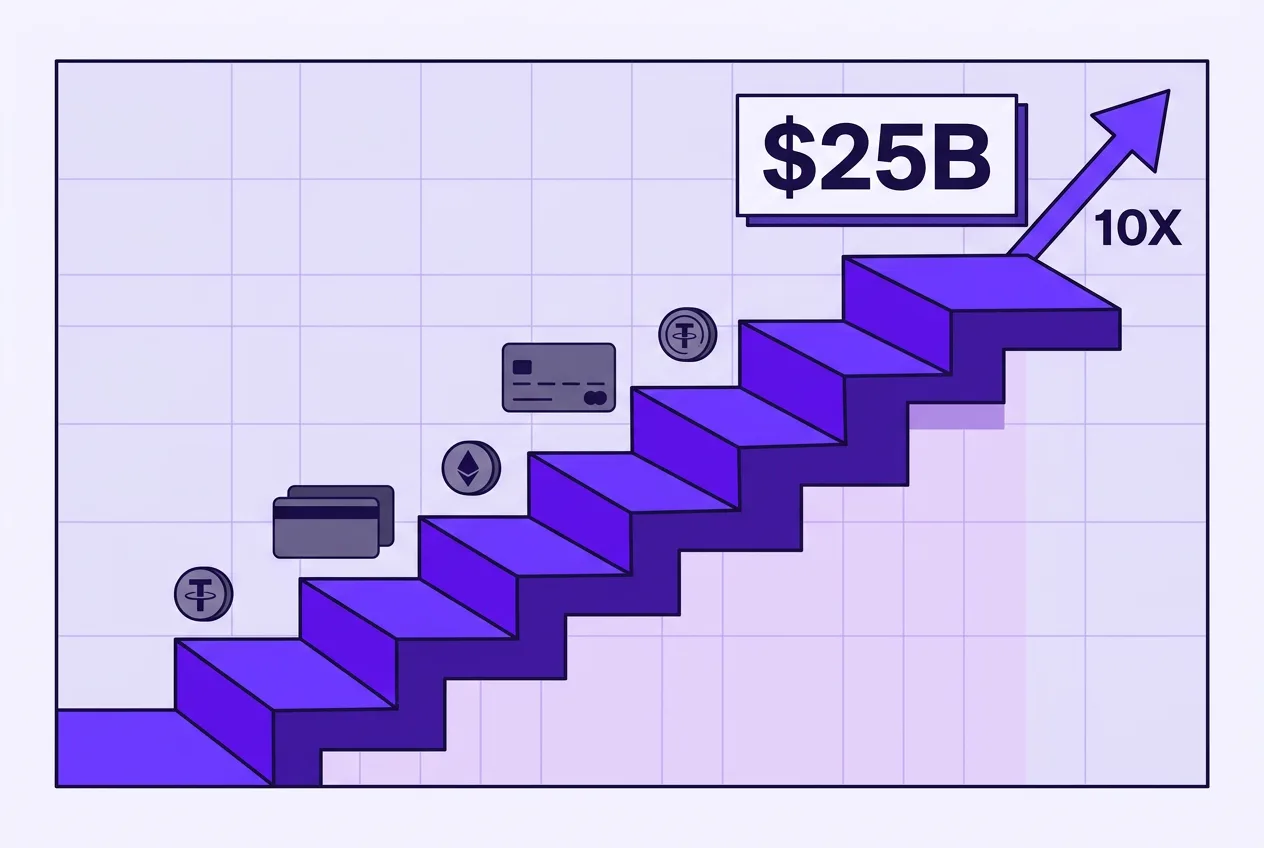
Visa reported an annualized stablecoin settlement run rate of $25 billion as of September 2026. That figure reflects roughly tenfold growth from the prior year. More than 225 stablecoin-linked card programs operate globally. Earlier checkpoints showed an approximately $7 billion run rate in April 2026 and more than $20 billion by September.
Monad plans to introduce a Private Settlement privacy feature in the coming months. The tool will keep settlement details confidential for institutions while still allowing auditors and regulators access. The feature is designed to preserve liquidity and transaction speed on the network.
Actual usage volumes and the list of supported stablecoins on Monad will depend on decisions by participating issuers and acquirers. The program currently processes stablecoin flows without altering the front-end experience for consumers or merchants. Institutions can now evaluate Monad against the nine previously supported chains when planning settlement workflows.
Frequently asked questions
Which blockchains does Visa support for stablecoin settlement?
Visa supports ten networks for stablecoin settlement. They include Avalanche, Ethereum, Solana, Stellar, Circle’s Arc, Base, Canton, Polygon, Tempo, and now Monad.
When did Visa add Monad to its settlement options?
The Monad Foundation announced the addition on November 10, 2026. Visa has not issued its own separate confirmation.
What benefit does 24/7 settlement provide compared with traditional systems?
Settlement on supported blockchains operates every day of the year. Traditional card settlement follows a five-business-day banking calendar that excludes weekends and holidays.
Will merchants or cardholders see changes from the Monad addition?
No front-end changes are planned. The option applies only to back-office settlement between participating issuers, acquirers, and Visa.
Comments
No comments yet. Be the first!