News Tokenization
DBS Tokenized Money Survey Shows 88% of Large Businesses Deploying or Piloting Use Cases
Key points
DBS released its EY-commissioned report on 28 October 2026 showing 88% of surveyed large businesses are deploying or piloting tokenized money for payments and liquidity management.
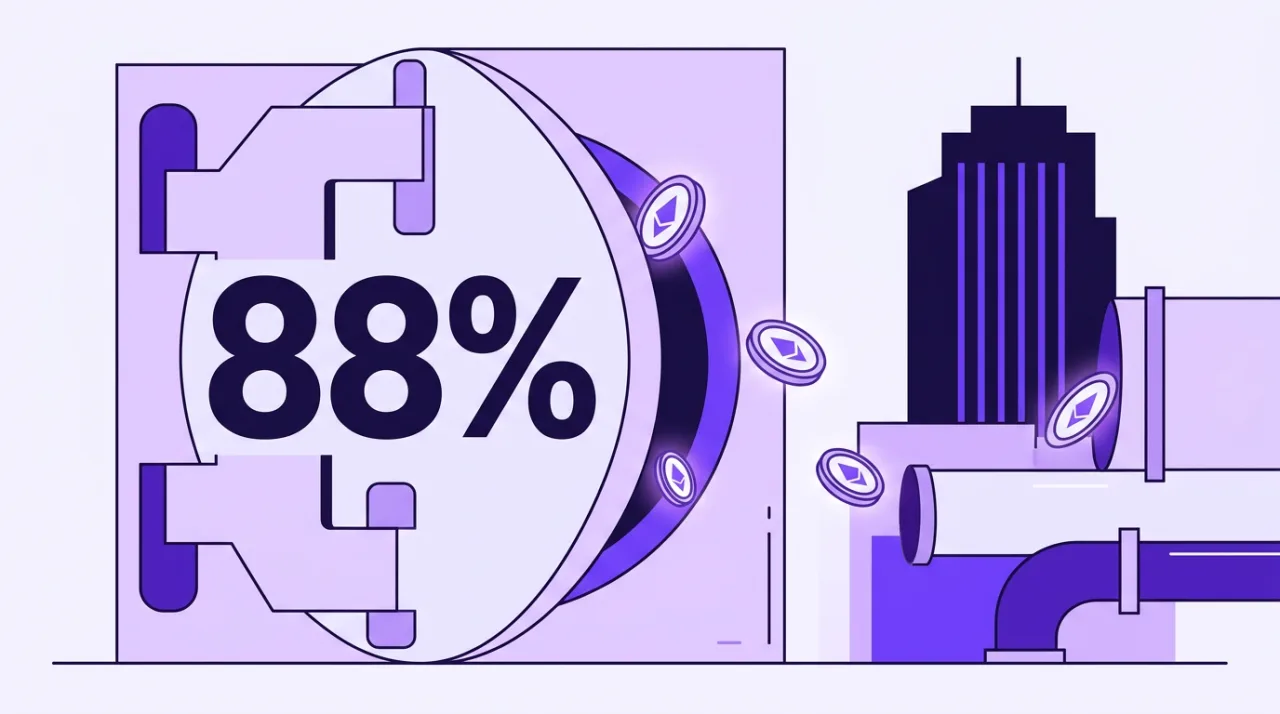
DBS released its report The Great Rewiring: Money in a New Order on 28 October 2026. The survey, conducted by EY between June and July 2026, polled 422 CFOs, finance heads and senior treasury executives at organizations with annual revenue above US$500 million across 11 markets. It found that 88% of respondents are already deploying or piloting tokenized money use cases.
DBS Tokenized Money Survey Details 88% Adoption Rate
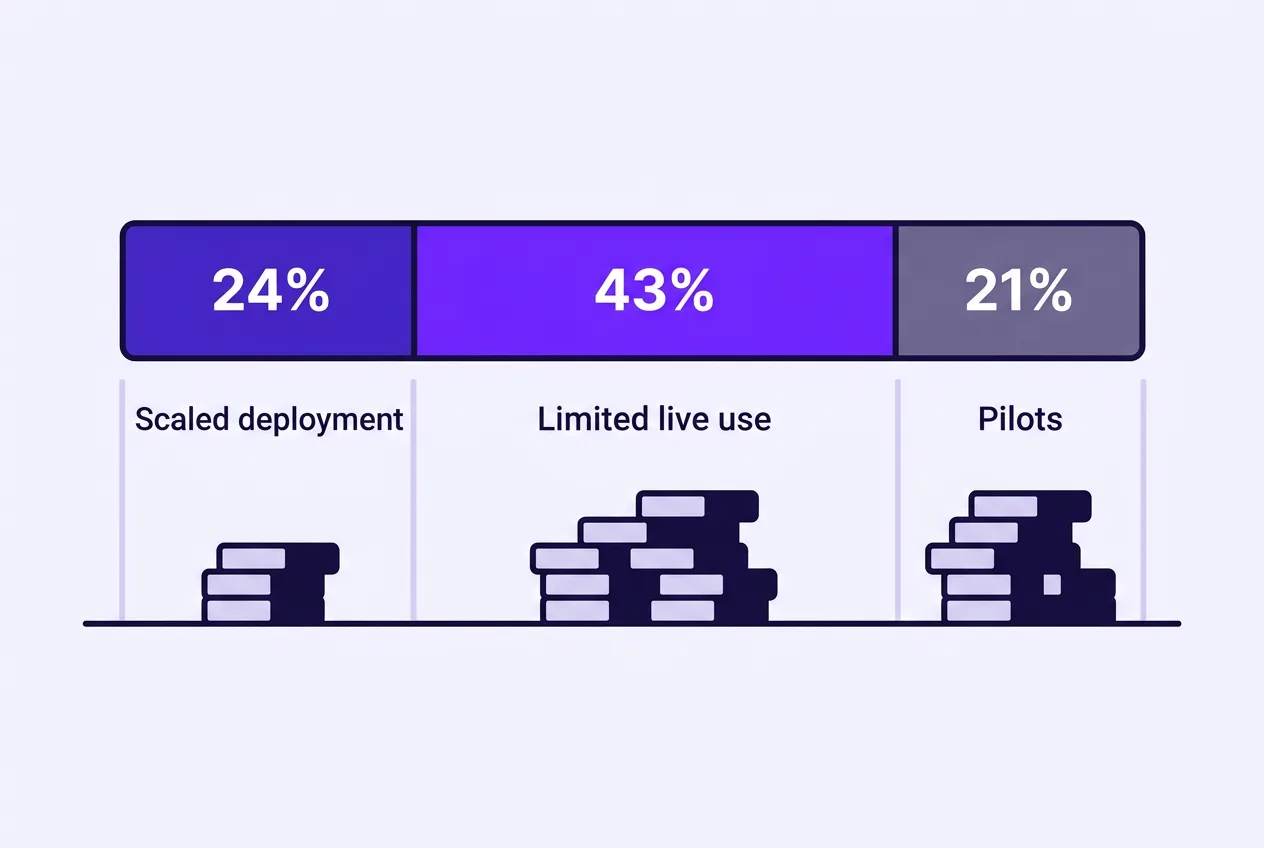
Of the 88% actively using or testing tokenized money, 24% reported deployment at scale, 43% had limited live use in selected markets, and 21% were running pilots or proofs of concept. The remaining 12% said they were still exploring options or not using the instruments. Among specific instruments, 63% of respondents said they use or plan to adopt stablecoins, 53% tokenized deposits and 52% tokenized money market funds.
Respondents identified several benefits expected within the next two years. Improved auditability and traceability ranked highest at 72%, followed by real-time cross-border payments at 71%. Stronger internal controls and governance stood at 66%, while optimized treasury liquidity management reached 65%. More than 75% of the surveyed companies are expanding into new markets, with Southeast Asia cited as the top destination by 65% of respondents. Seventy-eight percent reported building multi-currency exposure to manage volatility and trade fragmentation.
Barriers cited by participants include regulatory and compliance uncertainty, security and operational risks, and integration complexity with existing systems. The report also noted that 75% of respondents expect AI-driven improvements in treasury, payments and collections within the same two-year horizon.
Corporate Treasury and Cross-Border Payments Context
The survey results reflect broader shifts in how large businesses manage liquidity amid supply-chain changes and market fragmentation. DBS Group Head of Global Transaction Services Lim Soon Chong stated that adoption pace has exceeded earlier expectations. He highlighted that stablecoins are valued for their fungibility and lower permissioning friction, while banks remain positioned as integration partners. Sixty-four percent of respondents said they want a single access point to the tokenized ecosystem, and 63% seek pilot or integration support from banks.
DBS itself has offered infrastructure such as DBS Token Services since 2024. The findings indicate that tokenized instruments are moving alongside traditional payment rails rather than replacing them. Firms continue to scale pilots while regulators refine rules on stablecoins, tokenized deposits and settlement across multiple networks. The report provides no specific timeline for full-scale replacement of existing systems but signals continued mainstreaming of these instruments in corporate treasury operations.
Market Reactions and Next Steps for Businesses
Industry observers note that the 88% figure marks one of the highest recorded adoption intentions for tokenized instruments among large corporates to date. The data covers markets including Australia, China, Germany, Hong Kong, India, Indonesia, Singapore, South Korea, Taiwan, the UK and the US. Companies expanding operations into new regions are particularly focused on instruments that support faster settlement and improved traceability for audit purposes.
Businesses evaluating next steps are advised to review internal controls, map integration requirements with existing banking partners, and monitor regulatory developments in their operating jurisdictions. The survey underscores that tokenized money is no longer limited to experimental projects and is entering operational use in treasury and payments functions.
Frequently asked questions
What is the main finding of the DBS tokenized money survey?
The survey found that 88% of 422 finance leaders at large firms are deploying or piloting tokenized money for payments and liquidity management.
Which instruments are most used in the survey results?
Stablecoins at 63%, tokenized deposits at 53% and tokenized money market funds at 52% rank highest among instruments respondents use or plan to adopt.
What benefits do respondents expect from tokenized money?
Improved auditability at 72%, real-time cross-border payments at 71%, stronger governance at 66% and better liquidity management at 65% are the top expected benefits within two years.
What barriers are mentioned in the DBS report?
Regulatory uncertainty, security and operational risks, and integration complexity with existing systems are the main barriers noted by respondents.
Comments 1