News Regulation
Custodia Bank Federal Reserve Master Account Appeal Denied by US Supreme Court
Key points
The U.S. Supreme Court on November 16, 2026, denied review in Custodia Bank v. Federal Reserve Board, ending a six-year effort by the Wyoming digital-asset bank to obtain a master account.
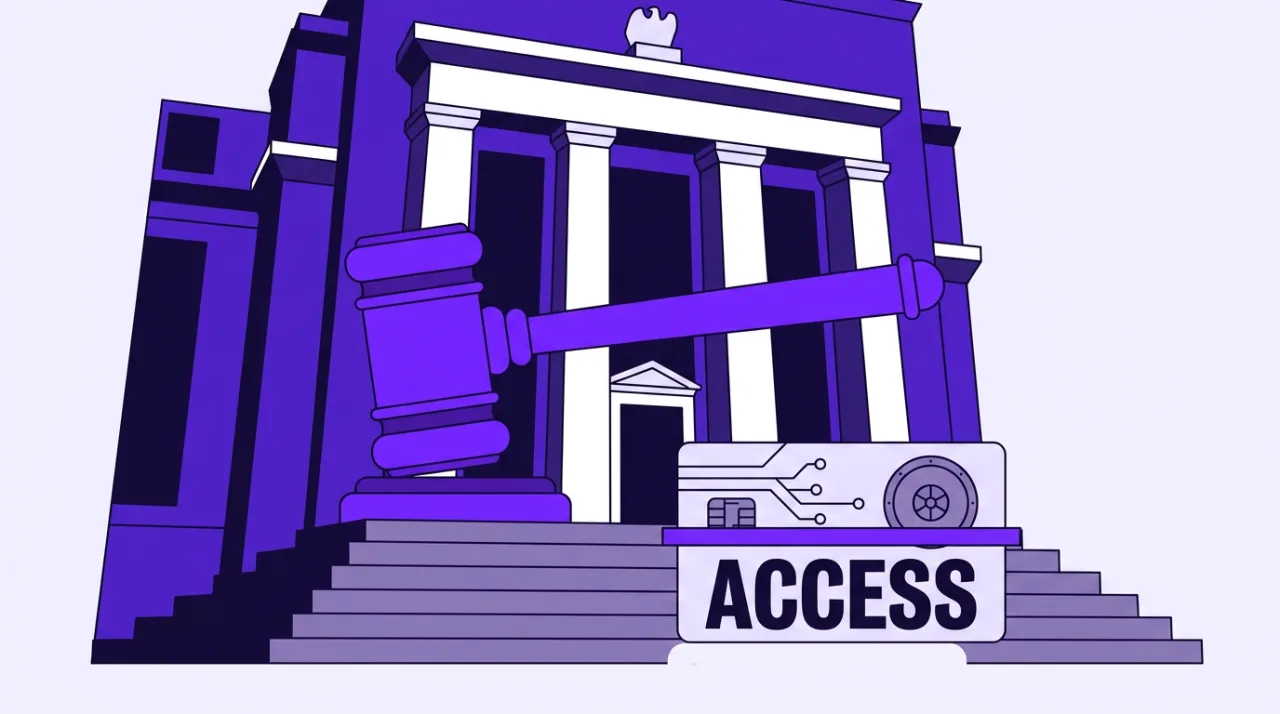
The U.S. Supreme Court on November 16, 2026, denied certiorari in Custodia Bank, Inc. v. Federal Reserve Board of Governors without comment, leaving in place a 10th Circuit decision that upheld the Federal Reserve Bank of Kansas City’s rejection of the bank’s master account application.
The denial ends Custodia’s litigation that began in 2022 and confirms regional Reserve Banks retain discretion under the Federal Reserve Act to deny direct payment-system access even to statutorily eligible institutions.
Details of the Supreme Court Decision and 10th Circuit Ruling
The Supreme Court’s order in case number 26-62 leaves standing the October 31, 2025, 2-1 panel decision of the U.S. Court of Appeals for the 10th Circuit. That court, after a March 13, 2026, en banc rehearing denial by a 7-3 vote, held that Section 342 of the Federal Reserve Act and the Monetary Control Act of 1980 give Reserve Banks authority to evaluate safety and soundness rather than require automatic account approval.
Custodia, a Wyoming special purpose depository institution focused on digital assets, applied in October 2020. The Kansas City Fed confirmed eligibility in early 2021 but denied the application in January 2023, citing crypto-related risks. A Wyoming federal district court ruled for the Fed in March 2024, and Custodia petitioned the Supreme Court in July 2026.
A master account grants direct access to Fedwire and other settlement systems. The ruling preserves the ability of Reserve Banks to apply risk standards before granting such access to nonmember depository institutions.
Background on Custodia’s Application and Related Developments
Custodia was founded by Caitlin Long as a state-chartered entity designed to serve digital-asset clients under Wyoming’s special purpose depository institution framework. The bank’s legal challenge tested whether Federal Reserve payment services must be extended to every depository institution that meets statutory criteria.
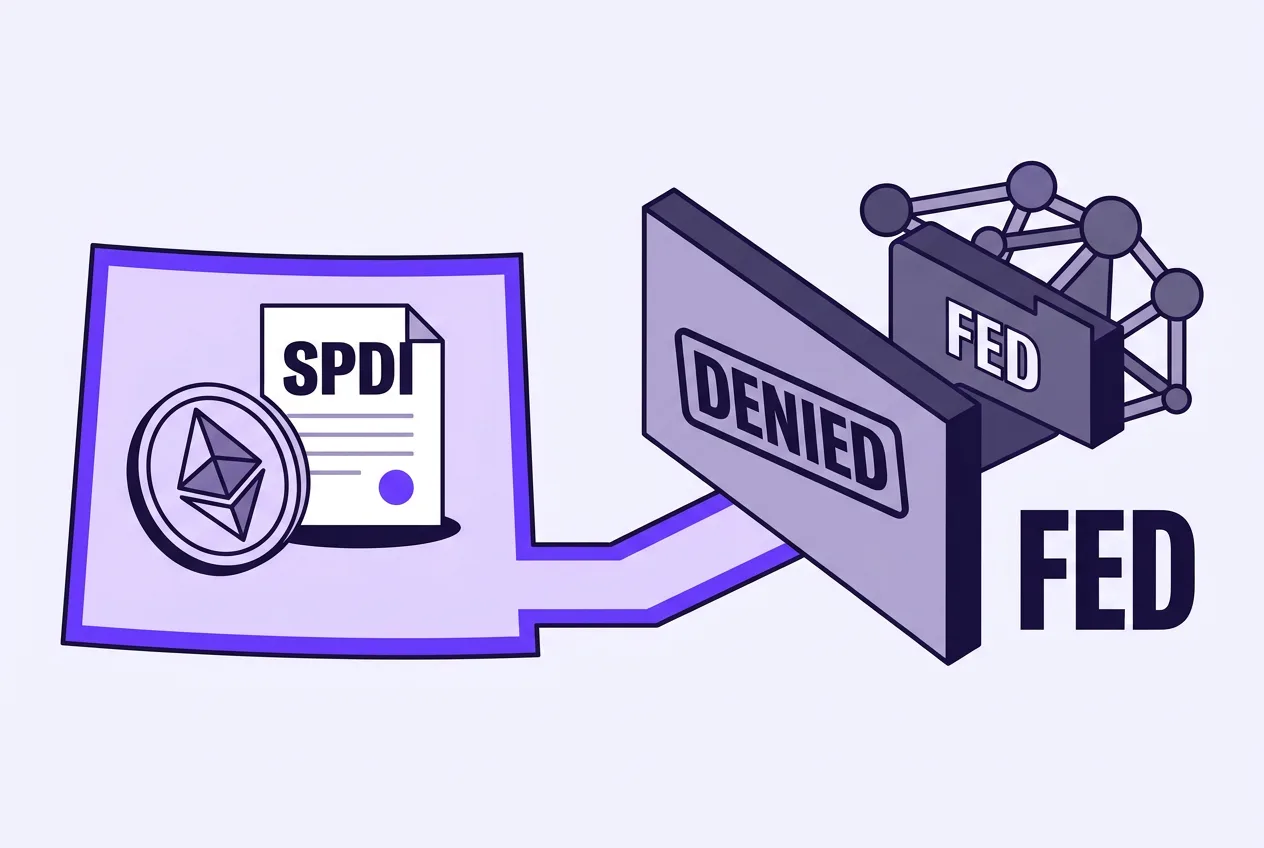
In March 2026 the same Kansas City Fed granted Kraken Financial, another Wyoming-chartered entity, a one-year limited-purpose account restricted to Fedwire transactions without intraday credit or other full services. Federal Reserve staff have separately proposed frameworks for such “skinny” accounts for digital-asset institutions.
The 10th Circuit majority rejected arguments that statutory language mandating availability of services overrides Reserve Bank discretion. Dissenting Judge Timothy Tymkovich contended the decision effectively allows Reserve Banks to override state chartering decisions.
Market and Regulatory Context Following the Decision
Industry groups including the Bank Policy Institute described the outcome as consistent with existing supervisory authority over payment-system access. The Supreme Court did not address the underlying policy merits or establish nationwide precedent beyond the 10th Circuit.
The six-year litigation concludes without further public statements from Custodia on revised applications or alternative settlement arrangements as of November 17, 2026. The decision reinforces that institutions seeking direct Federal Reserve access must satisfy individual Reserve Bank evaluations of operational and risk controls, particularly when focused on digital assets.
Reserve Banks continue to assess applications case by case under safety-and-soundness standards, and the outcome leaves open the possibility of limited-purpose accounts as a separate policy track for certain non-traditional depository institutions.
Frequently asked questions
What did the Supreme Court decide in the Custodia Bank case?
On November 16, 2026, the Court denied certiorari, leaving the 10th Circuit’s October 2025 ruling intact. That decision affirmed the Kansas City Fed’s discretion to deny a master account on risk grounds.
Does the ruling require the Federal Reserve to grant master accounts to all eligible banks?
No. The 10th Circuit held that the Federal Reserve Act and Monetary Control Act preserve Reserve Bank discretion to apply safety, soundness, and security standards rather than mandate automatic access.
What practical effect does denial of a master account have for Custodia?
Without a master account Custodia cannot obtain direct settlement through Fedwire and must rely on correspondent banking relationships or other intermediaries for payment processing.
Are limited-purpose accounts still possible after this decision?
Yes. The Kansas City Fed has already issued a one-year limited Fedwire-only account to Kraken Financial, and Federal Reserve staff continue to develop frameworks for such accounts for digital-asset institutions.
Comments
No comments yet. Be the first!