News Google Cloud
Google Multi-Party Compute Enters Private Preview for Institutional Key Security
Key points
Google Multi-Party Compute entered private preview on October 28, 2026, offering threshold signing for Bitcoin, Ethereum and other chains without exposing full private keys.
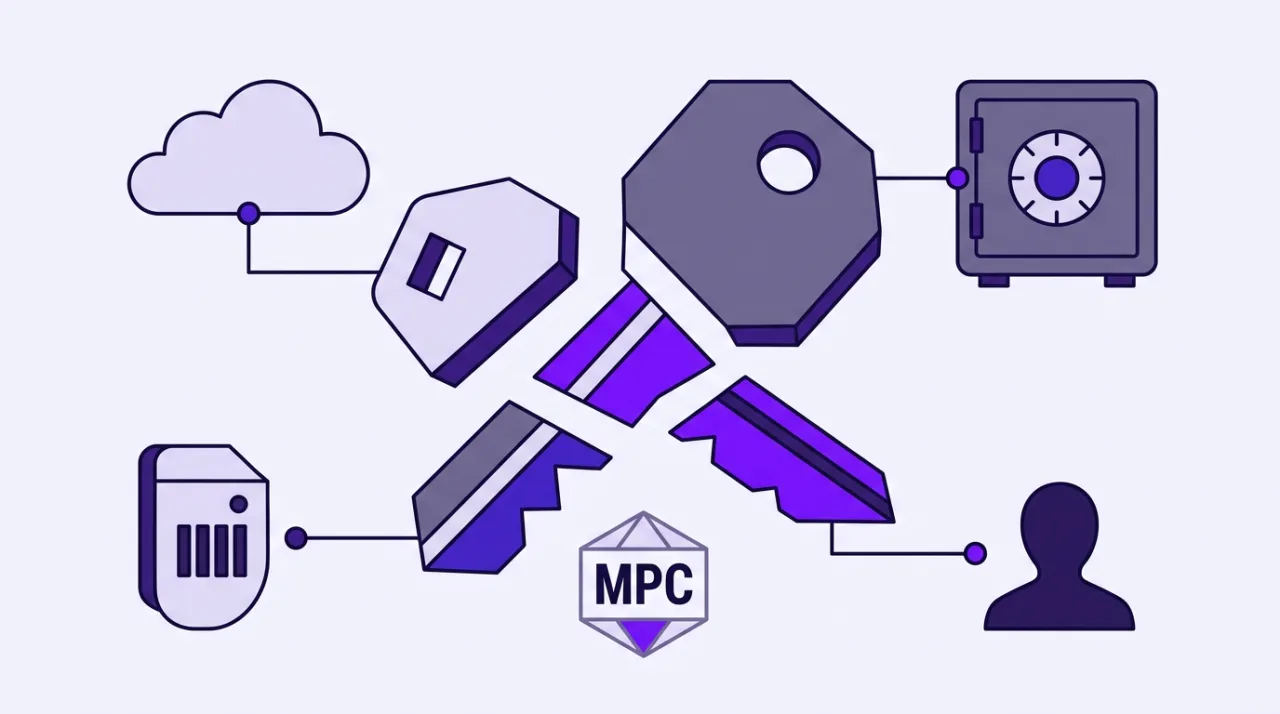
Google Multi-Party Compute entered private preview on October 28, 2026. The Google Cloud service splits private signing keys across independent hardware-backed parties and requires a configurable threshold of shares to produce a valid signature.
Institutions testing the platform include several unnamed major banks and Alphabet itself, which already uses the system for its own holdings on Ethereum and Solana. The preview was announced at the company’s first Digital Asset / MPC Symposium in New York.
How Google Multi-Party Compute Splits Signing Keys
The service builds on the hardened DKLS23 protocol. A private key is divided into isolated shares held by separate entities such as Google Cloud instances, customer hardware, or third-party providers. No single location ever assembles the complete key.
Before any signature is generated, proposed transactions are evaluated inside Google Confidential Space against customer-defined policies. These rules can include spending limits, destination allowlists, and multi-department approvals. Google states it cannot access unencrypted key shares.
At launch the platform supports ECDSA signatures on the secp256k1 curve for Bitcoin, Ethereum, and compatible EVM chains. EdDSA support for Solana is listed as coming soon, with both curves planned for general availability. Post-quantum cryptography remains on the longer-term roadmap.
The packaged offering combines MPC signing, policy enforcement, and recovery in one service. It differs from earlier Google Cloud KMS and HSM tools that required customers to build their own MPC layers.
Background on Institutional Demand for MPC Custody
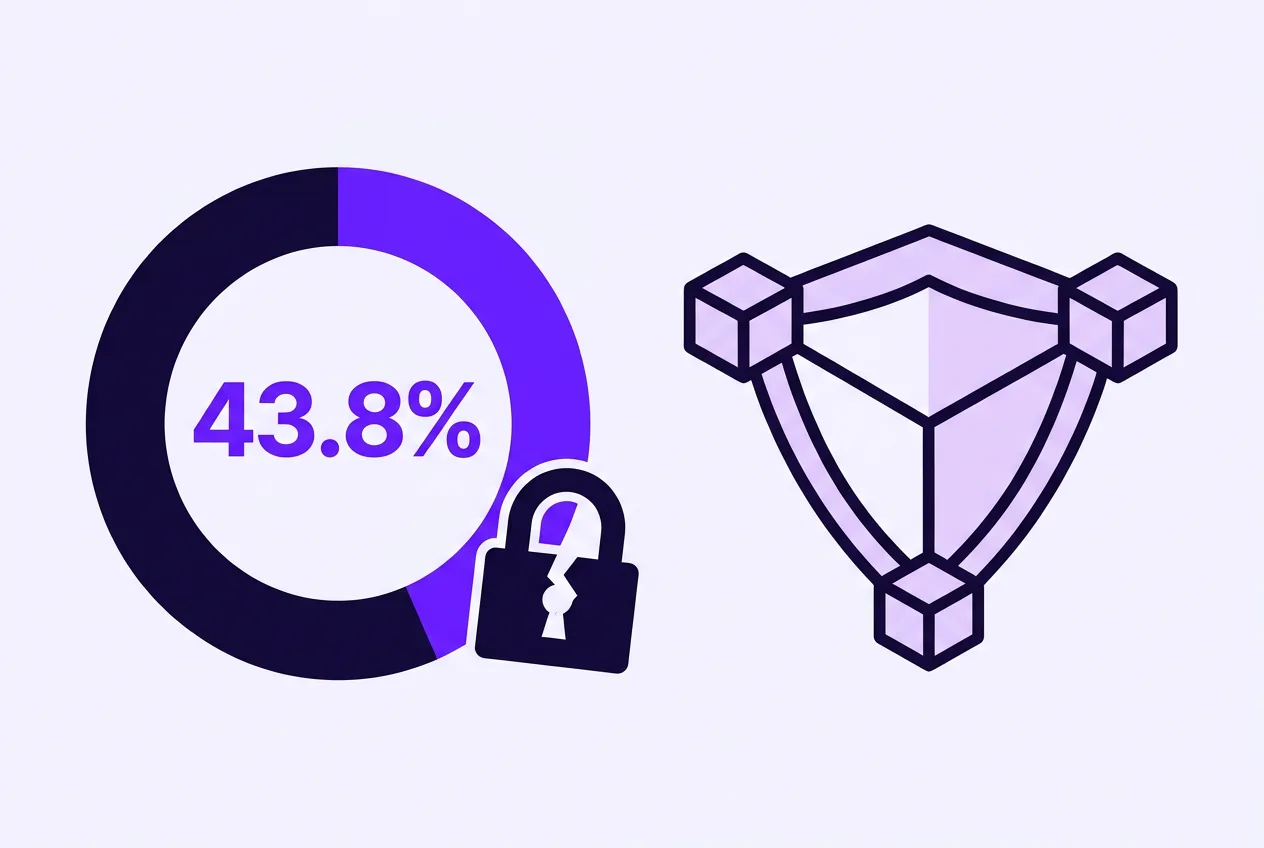
Chainalysis data showed that private-key compromises accounted for 43.8 percent of crypto thefts in 2024. DeFiLlama figures indicated roughly 40 percent of reported hack losses through mid-2025 followed the same pattern. These statistics have increased institutional interest in custody solutions that avoid single points of failure.
Existing providers such as Fireblocks, BitGo, and Fordefi already offer multi-party computation services. Google’s entry adds a cloud-scale operator with hardware-rooted isolation and integrated policy evaluation. The move aligns with growing institutional activity in tokenized assets and on-chain operations that require secure key management at scale.
Documentation updates began appearing as early as August 2026. Bitcoin-specific policy enhancements, including amount evaluation and change-address detection, were added on October 1. Speakers at the October 28 symposium included representatives from Morgan Stanley, Citi, Wells Fargo, and OKX.
Next Steps Toward Commercial Availability
Google targets commercial availability in early 2027. Pricing details have not been released. Broader testing feedback will determine final feature scope, including the timing of Solana Ed25519 support.
Customers in the private preview retain control of key material and can configure thresholds such as 2-of-3 or 5-of-7. The service is positioned for banks and asset managers that already operate within regulated environments and need auditable controls over digital asset movements.
Further updates are expected once additional design partners complete integration testing and provide operational data on latency, recovery procedures, and policy configuration.
Frequently asked questions
What chains does Google Multi-Party Compute support at preview?
The service supports ECDSA on secp256k1 for Bitcoin, Ethereum, and EVM-compatible chains. EdDSA for Solana is scheduled for a later update.
How does the policy engine work before signing?
Transactions are checked inside Google Confidential Space against customer rules on spending limits, approved destinations, and approval workflows before any signature shares are combined.
When will Google Multi-Party Compute become generally available?
Google targets commercial release for early 2027. Exact dates and pricing remain undisclosed.
Does Google hold any key shares in the clear?
Google states that it cannot access customer key shares in unencrypted form and that customers retain control of the material.
Comments 1