News Bank Of England
Bank of England tokenised collateral consultation targets CCPs in central clearing
Key points
The Bank of England opened a consultation on 29 October 2026 on supervisory expectations for central counterparties that wish to accept tokenised collateral.
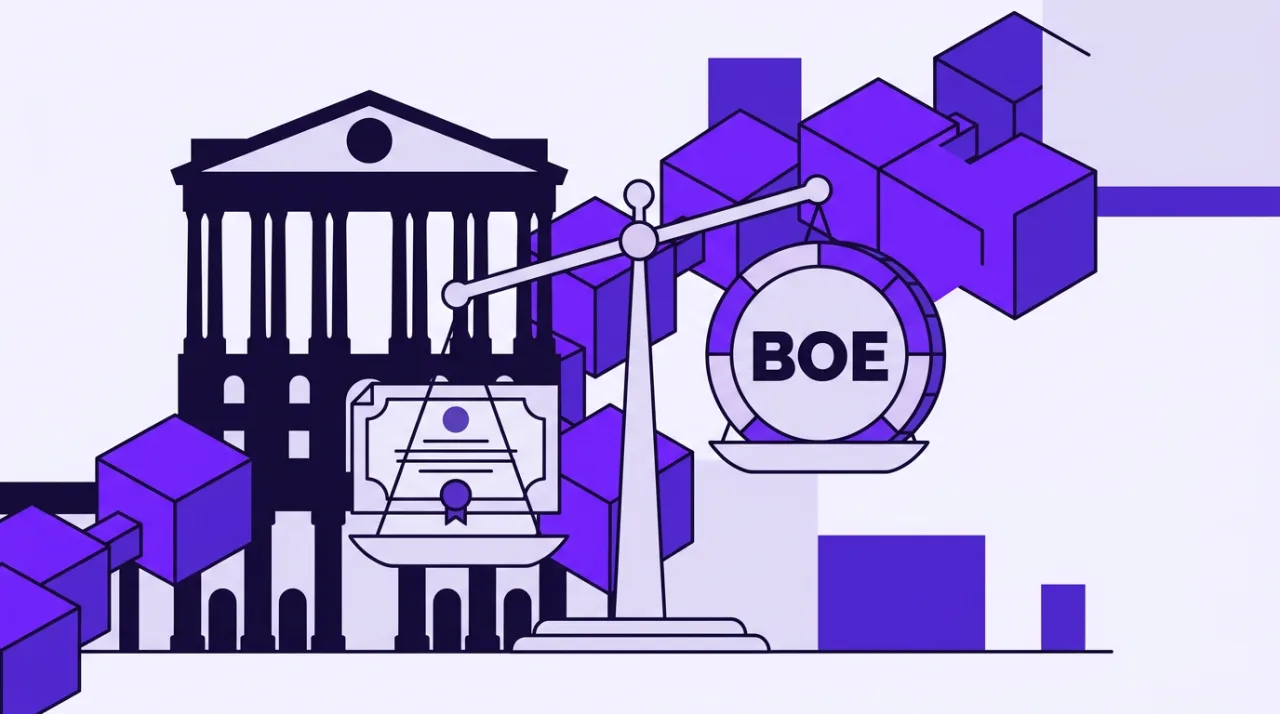
The Bank of England launched a public consultation on 29 October 2026 that sets out proposed supervisory expectations for central counterparties seeking to accept tokenised forms of eligible collateral. The move applies the existing regulatory framework under the proposed UK CCP Rulebook without creating a separate regime for tokenised assets.
Bank of England tokenised collateral rules emphasise same risk same outcome
The consultation paper and accompanying draft Supervisory Statement clarify how current standards on valuation, transfer, realisation under stress, liquidity and credit or market risk will apply to tokenised instruments. The core principle remains that tokenised collateral must deliver outcomes equivalent to those of traditional assets. Central counterparties will continue to follow existing notification or approval processes when adding new collateral types, and a tokenised gilt will be treated as a distinct form because of its different delivery mechanism.
Eligible assets covered in the initial scope include cash, financial instruments, bank guarantees and gold already accepted by CCPs. The paper also invites comments on potential future inclusion of regulated stablecoins, tokenised money market fund units and tokenised gold. Respondents are asked to address operational questions such as cross-border mobilisation speed, margin call response times and the resilience of settlement arrangements during market stress.
The Bank states that tokenisation can support quicker collateral movement and better risk management in wholesale markets. It links the consultation to the UK’s broader strategy for digital financial markets infrastructure, including synchronisation projects planned for 2028. No new regulatory barriers are introduced provided the tokenised assets meet existing prudential thresholds.
Context from prior BoE work and alignment with digital gilt initiatives
The consultation builds on speeches and papers issued by the Bank and the Financial Conduct Authority between 2025 and 2026 that examined tokenisation in financial market infrastructure. It also aligns with HM Treasury’s digital gilt pilot, known as DIGIT, which tests issuance and settlement of government debt on distributed ledger technology. Deputy Governor Sarah Breeden stated that the exercise supports the Bank’s secondary objective to promote innovation while maintaining financial stability as the primary goal.
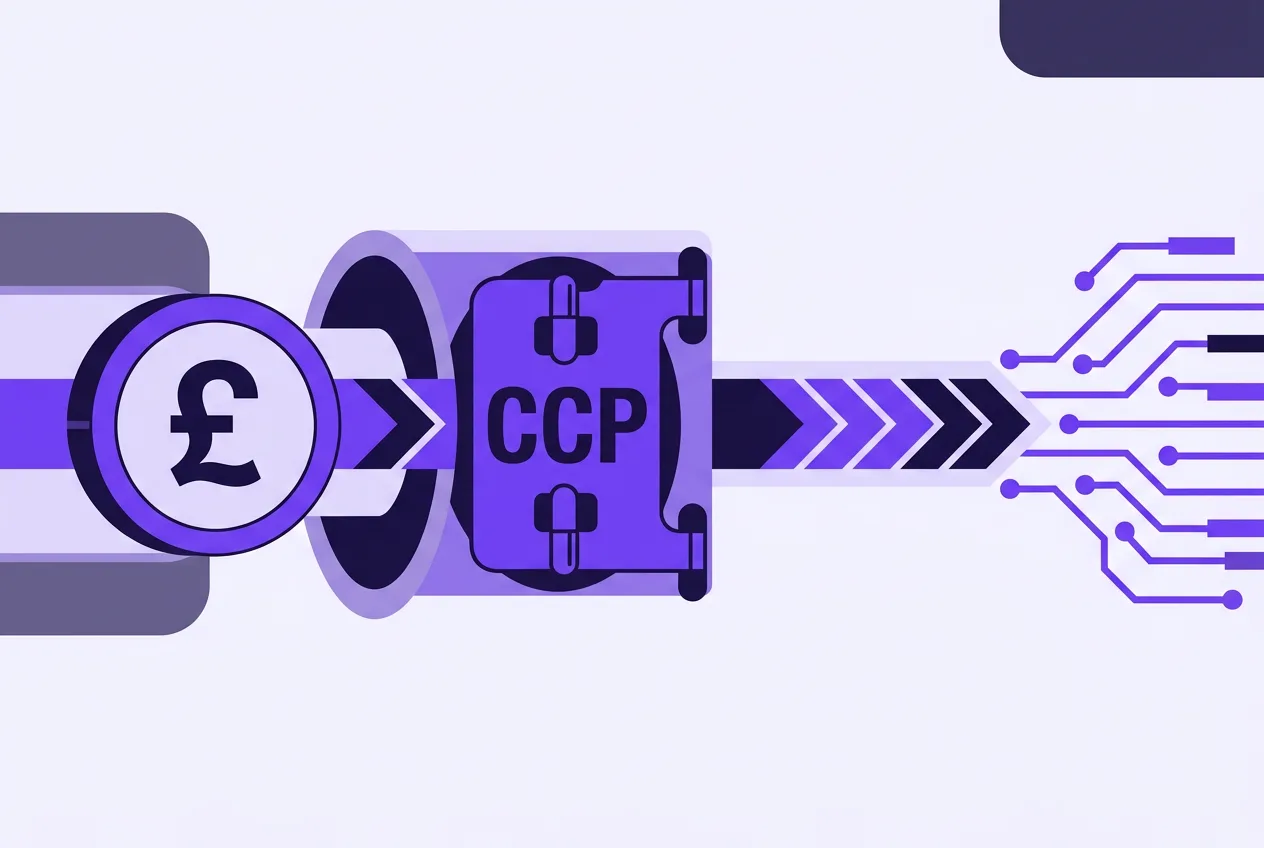
Market participants including CCPs, clearing members, technology providers and infrastructure operators are invited to respond by 12 February 2027. Submissions should be sent to the dedicated email address published in the consultation notice. The Bank will review feedback before finalising the Supervisory Statement.
Industry observers note that the approach mirrors similar reviews underway in other jurisdictions where authorities examine whether tokenised assets can serve as high-quality collateral without altering risk profiles. The consultation does not address retail products or create any new stablecoin regime.
Implications for CCP operations and wholesale market efficiency
Once finalised, the Supervisory Statement will guide CCPs on how to demonstrate that tokenised collateral satisfies liquidity, custody and default management requirements. Firms planning to accept such assets must still comply with the UK CCP Rulebook provisions that replace relevant elements of UK EMIR. The Bank expects any operational changes to be implemented through existing governance and risk-management frameworks.
Clearing houses and their participants stand to gain from reduced settlement frictions and improved collateral optimisation across borders if tokenised instruments meet the stated standards. The consultation therefore forms part of a sequence of regulatory steps that aim to scale responsible tokenisation while preserving the resilience of central clearing.
Frequently asked questions
What is the deadline for responses to the Bank of England consultation?
Responses must be submitted by 12 February 2027 to the email address Tokenised_Collateral_At_CCPS_CP@bankofengland.co.uk. The consultation covers supervisory expectations for CCPs accepting tokenised collateral.
Does the consultation create a new regulatory regime for tokenised collateral?
No. The Bank applies the existing UK CCP Rulebook framework under the principle of same risk, same regulatory outcome. Tokenised versions of already eligible collateral must meet current standards on valuation, liquidity and realisation.
Which assets are included in the initial scope?
The scope covers tokenised forms of cash, financial instruments, bank guarantees and gold. The paper also seeks views on possible future acceptance of regulated stablecoins and tokenised money market fund units.
How does the consultation relate to other UK digital finance initiatives?
It aligns with the Digital Securities Sandbox and HM Treasury’s DIGIT digital gilt pilot. These efforts aim to test synchronised settlement of tokenised assets targeted for 2028.
Comments
No comments yet. Be the first!