News XRPL
XRPL Restricted Tokens Receive Proposed Fixes for Authorization Loopholes
Key points
XRPL developers proposed four code changes on October 30, 2026, to close loopholes that allowed restricted tokens to reach accounts without issuer approval.
XRPL developers proposed four code changes on October 30, 2026, bundled under the fixCleanup3_5_0 amendment to close loopholes that permitted restricted tokens to reach accounts without explicit issuer approval. The updates address trust-line handling, automated market maker liquidity pools, and consistency of authorization checks across transactions.
Details of the Proposed Code Changes
The fixes focus on several specific mechanics. One change blocks additional balances on unauthorized trust lines that already hold tokens, since current checks activate only at zero balance. Another requires authorization for both assets in AMM liquidity pools before accounts can acquire LP tokens. Developers also strengthened broader authorization checks to apply consistently across payments, pools, and future features.
Restricted tokens rely on the asfRequireAuth flag. Issuers set this flag to require approval before any account can hold the token via a trust line. The proposals aim to prevent bypasses through alternative transaction paths while leaving existing issuer controls intact. No user impact or exploitation has been reported to date.
The XRPL Foundation described the effort as routine protocol hardening. Existing unapproved balances trace back to issuers or previously approved accounts. An earlier loophole involving NFTs was closed in August 2025. The current proposals remain under review and have not been merged into main software or activated on mainnet.
Background on Issuer Controls and Institutional Use
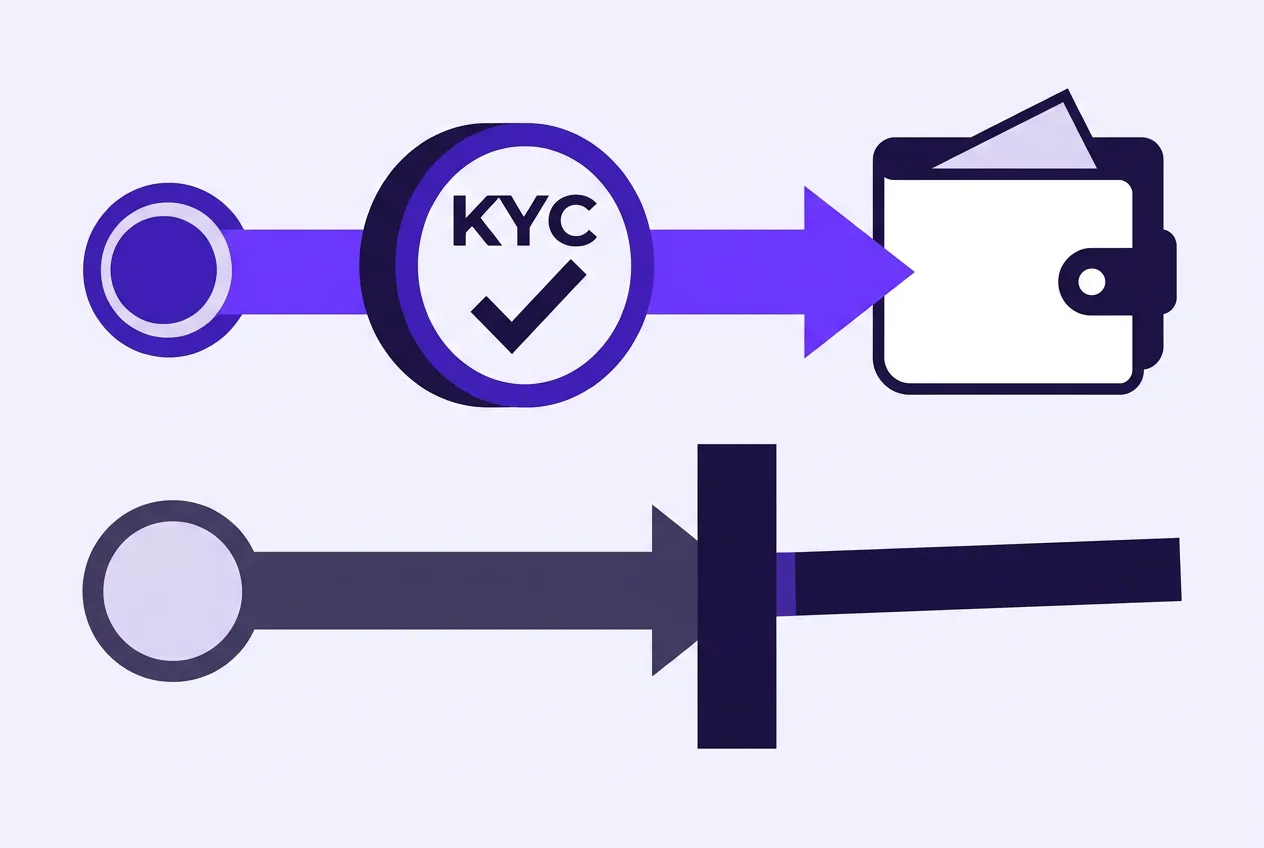
Restricted tokens support compliance requirements for regulated stablecoins and tokenized assets on the XRP Ledger. Issuers can enforce KYC or eligibility rules before accounts hold balances. The proposed changes aim to make these controls reliable across all transaction types, including those involving liquidity pools.
Proposals originated from GitHub pull requests updated around October 27, 2026. Some earlier versions were closed by authors, narrowing the scope to AMM and trust-line payment fixes. After any code merge, activation on the XRPL requires more than 80 percent support from trusted validators sustained for two consecutive weeks. No activation timeline has been set.
Post-activation, unapproved holders could return tokens to the issuer. Issuers could later approve the trust line to restore full functionality. Native XRP remains unaffected by these changes. The updates align with growing institutional adoption of tokenized assets that require strict permission controls.
Status and Monitoring Process
Code review continues following the October 30 reports. Validators and developers will track whether the changes reach main releases. Once merged, the amendment enters the voting phase among trusted validators.
Market participants can follow XRPL Foundation updates and GitHub activity for progress. The fixes strengthen issuer authority without altering core ledger mechanics or introducing new user requirements. Routine protocol maintenance of this type supports long-term reliability for compliant token issuance on the XRP Ledger.
Frequently asked questions
What problem do the XRPL fixes address?
The changes close gaps that allowed restricted tokens to reach accounts without explicit issuer approval through trust lines or AMM pools.
How does activation of the amendment work on the XRP Ledger?
After code merges into main software, the amendment needs sustained support above 80 percent from trusted validators for two consecutive weeks.
Will existing token holders face changes after the fixes activate?
Unapproved holders can return tokens to the issuer. Issuers may later approve trust lines to restore full use. No exploitation has been identified.
Does the fixCleanup3_5_0 amendment affect native XRP?
No. The proposals target only issuer-authorized tokens and leave XRP balances and transfers unchanged.
Comments
No comments yet. Be the first!