News CBDC
Bank of England CBDC Design Phase Expands With Private-Sector Cross-Border Experiments
Key points
The Bank of England has broadened its wholesale experiments programme and digital pound design work with additional private-sector tests focused on cross-border payments.
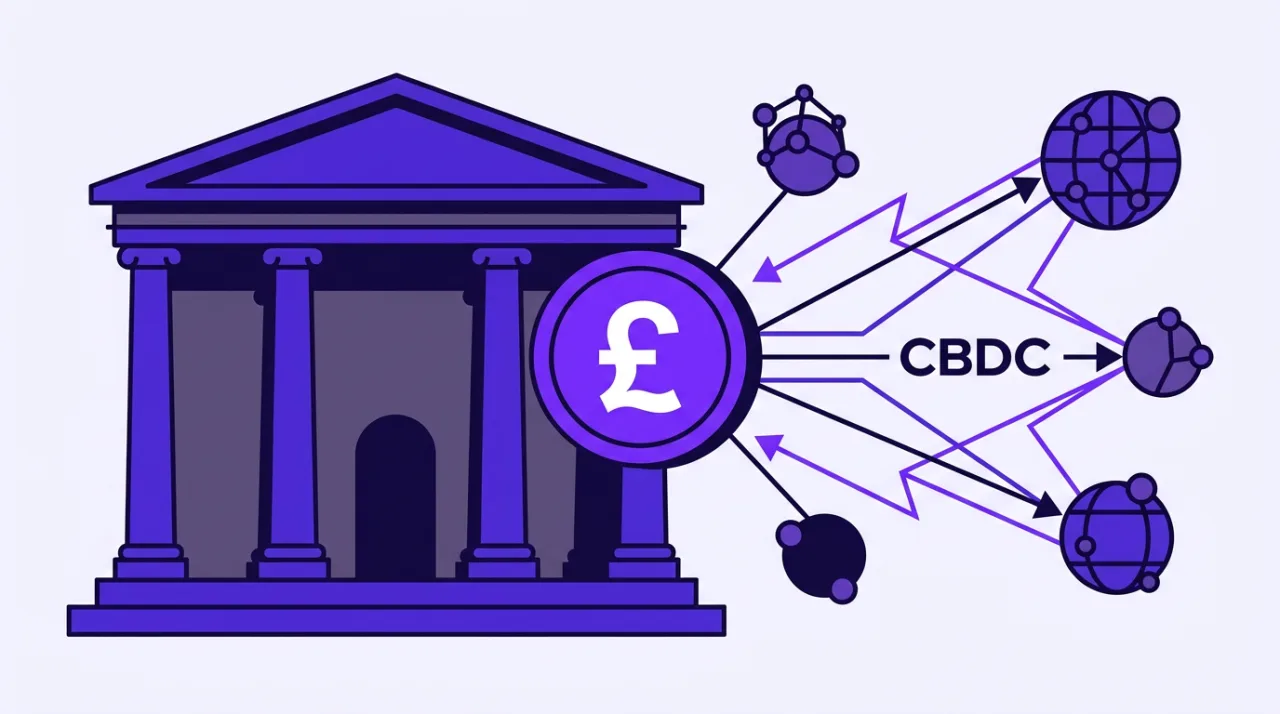
The Bank of England expanded its wholesale experiments programme and ongoing digital pound design phase on 10 November 2026 by adding new private-sector experiments that target cross-border CBDC payments and wholesale settlement.
Bank of England CBDC Wholesale Experiments Programme Details
The wholesale experiments programme began in 2025 to evaluate central bank money settlement methods that include tokenisation, distributed ledger technology, foreign exchange and securities. Participants compare approaches such as synchronisation against potential wholesale CBDC models. The programme runs alongside retail-focused work and feeds directly into design decisions expected later in 2026.
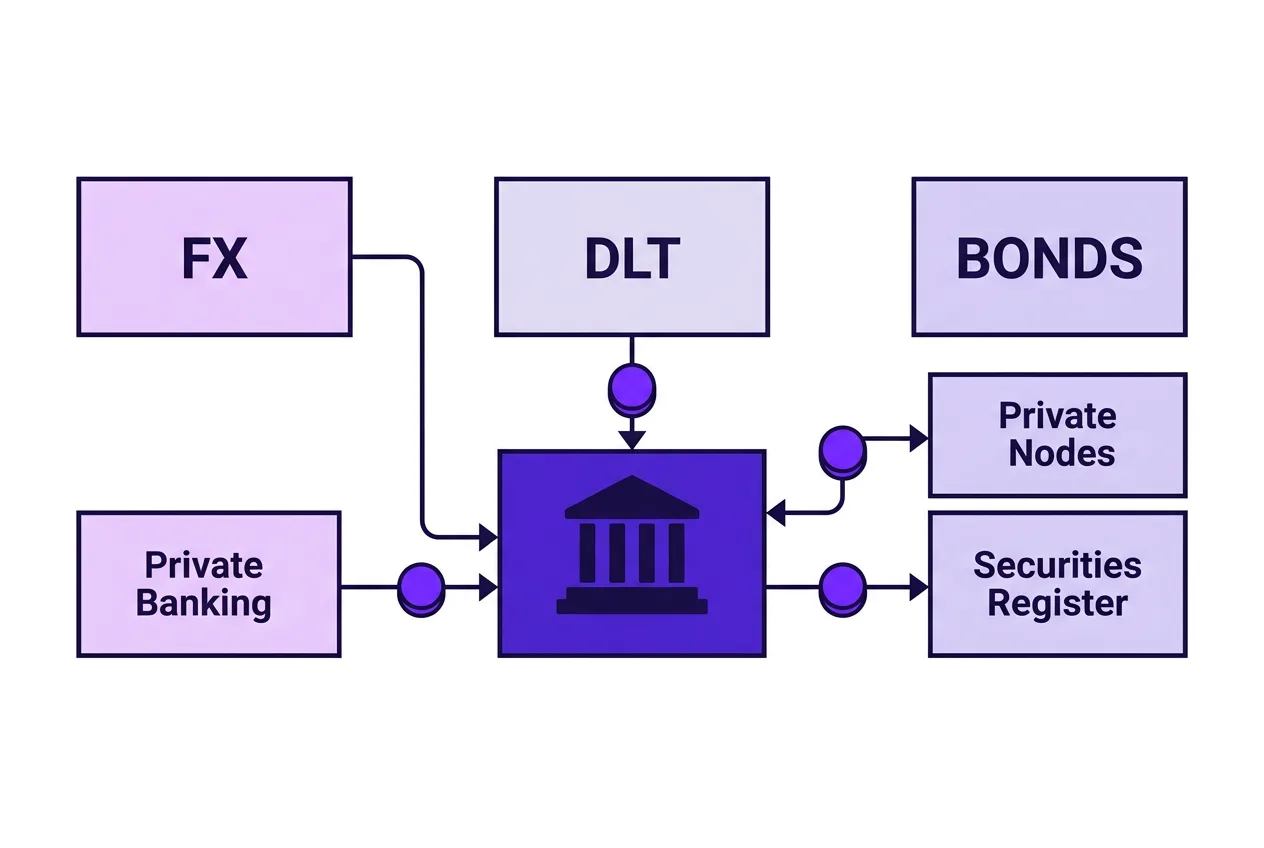
Project Agorá, led by the Bank for International Settlements with Bank of England participation, uses a unified ledger of tokenised commercial bank deposits and central bank reserves. The prototype has shown gains in speed, transparency and conditional payments for multi-currency wholesale settlement while retaining correspondent banking structures. Separate Meridian series tests examined atomic settlement through synchronisation for housing transactions, cross-border payment-versus-payment foreign exchange and tokenised securities delivery-versus-payment.
The Bank of England is extending synchronised FX settlement experiments with the Monetary Authority of Singapore and the Bank of Thailand. A Synchronisation Lab launched in 2026 for roughly six months and selected 18 private-sector participants to test live use cases. The lab supports validation of design features ahead of the 2028 target for renewed RTGS functionality known as RT2.
Digital Pound Design Phase and Retail Experiments Context
The digital pound design phase continues through 2026 with joint Bank of England and HM Treasury workstreams on assessment, blueprint development and public-private engagement. No issuance decision has been taken. Experiments already completed in the Digital Pound Lab between August 2025 and July 2026 covered predefined use cases such as point-of-sale and conditional trade finance, followed by innovative retail scenarios including SME cross-border settlement involving NOBO Finance, Dun & Bradstreet and Polygon.
These retail tests complement the wholesale programme. The Bank of England also advances RT2 enhancements that include extended operating hours, ISO 20022 messaging and omnibus accounts. Participation in the Digital Securities Sandbox and broader tokenisation initiatives provides additional input. A summary report on the wholesale experiments is scheduled for 2027.
Next milestones include the digital pound blueprint expected in 2026, a Synchronisation Lab showcase in November 2026 and potential further exploration of wholesale CBDC if advantages are confirmed. International collaboration on Project Agorá and FX experiments continues in parallel.
Frequently asked questions
What is the Bank of England testing in its wholesale experiments programme?
The programme evaluates tokenisation, distributed ledger technology, foreign exchange and securities settlement methods. It compares synchronisation approaches against potential wholesale CBDC models for atomic settlement.
How does Project Agorá relate to Bank of England CBDC work?
Project Agorá is a BIS-led collaboration that includes the Bank of England. It prototypes a unified ledger for tokenised deposits and reserves to improve multi-currency cross-border wholesale settlement speed and safety.
When will the digital pound design phase conclude?
The design phase runs through 2026 with a blueprint expected before the end of the year. No decision on issuance has been made.
What is the Synchronisation Lab and when does it finish?
The Synchronisation Lab runs for about six months in 2026 with 18 private-sector participants. It tests use cases for live synchronisation capability targeted for 2028 in the renewed RTGS system.
Comments
No comments yet. Be the first!