News Crypto Regulation
BitGo Korea VASP Registration Advances Institutional Crypto Custody Standards
Key points
KoFIU approved BitGo Korea's VASP registration in August 2026, enabling licensed custody and transfer services for institutional clients under existing virtual asset rules.
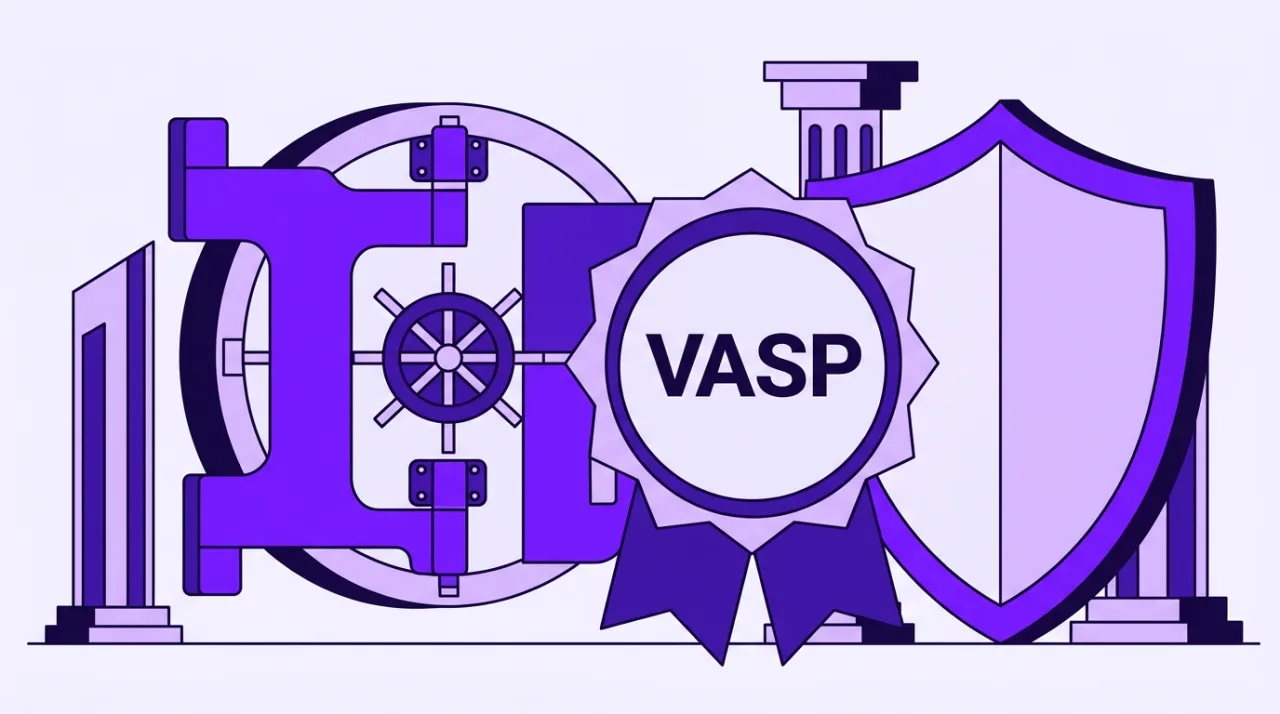
South Korea's KoFIU accepted BitGo Korea's VASP registration on or around August 18, 2026. The approval allows the firm to offer virtual asset custody and transfer services specifically to institutional and enterprise clients through a newly established local entity.
BitGo Korea becomes the first global crypto company to secure this license without relying on an acquisition of an existing domestic operator. The registration follows prior ISMS certification and aligns with capital requirements of KRW 1 billion set under the Act on the Protection of Virtual Asset Users.
Registration Details and Custody Requirements
The 2024 Act mandates that licensed VASPs providing custody services segregate client assets from their own holdings. At least 80 percent of client virtual assets must remain in cold wallets, with insurance or reserves maintained to cover potential incidents. KoFIU oversees AML and CFT compliance, while the FSC handles overall licensing.
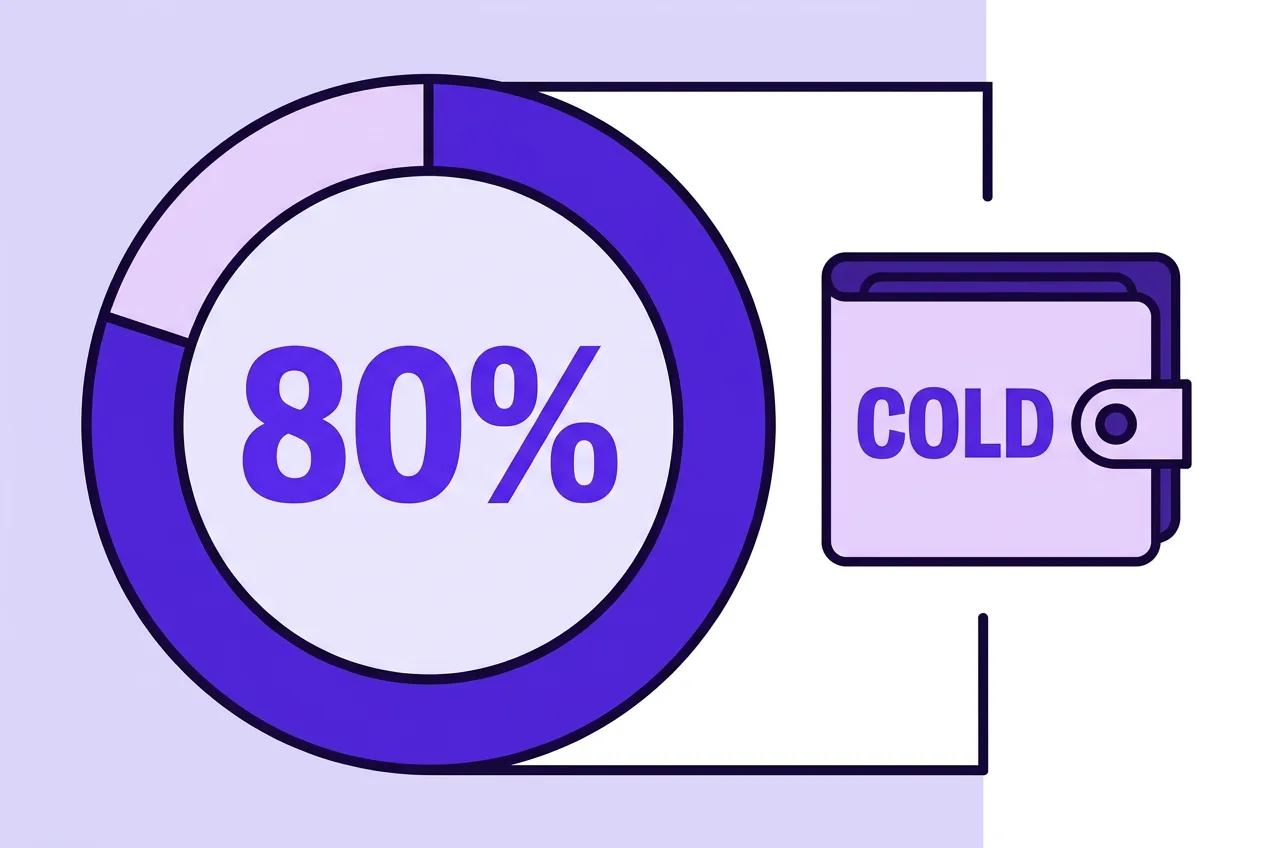
BitGo Korea's registration covers custody and transfer activities targeted at institutions. The firm operates with backing from Hana Financial Group at 25 percent ownership and SK Telecom at 10 percent. Domestic operators such as Korea Digital Asset Custody and KODA already hold renewed VASP registrations and provide services that include full cold-wallet storage options for listed companies.
KDAC launched its KDAC-L service in January 2026, incorporating multi-signature and MPC technology along with SOC reports. These existing providers demonstrate how the framework supports enterprise-grade solutions while meeting the 80 percent cold-storage threshold.
Broader Regulatory Context and Next Steps
In July 2026, the head of the FSC's Virtual Assets Division stated that custody would likely be treated as a distinct business line under the forthcoming Phase 2 legislation, known as the Digital Asset Basic Act. Entry and conduct rules remain under review, with no requirement for exchanges to spin off custody operations.
The FSC continues to examine whether the cold-wallet ratio for exchanges should rise toward 100 percent. Phase 2 rules covering stablecoins and tokenized securities are in final consultations, with draft tokenized securities provisions published in October 2026 and scheduled to take effect from February 2027. Amendments tightening VASP shareholder and AML checks passed around October 2026 and will apply within six months.
These developments occur alongside the phased removal of the corporate crypto trading ban, with guidelines still pending. Licensed custody infrastructure is positioned to support expanded institutional participation once the new rules finalize. Public consultation on the tokenized securities drafts closes on November 11, 2026.
Frequently asked questions
What does the BitGo Korea VASP registration allow?
It permits BitGo Korea to provide virtual asset custody and transfer services to institutional clients. The license requires compliance with the 2024 Act's rules on asset segregation, cold storage, capital, and ISMS certification.
When did South Korea's virtual asset custody rules take effect?
The Act on the Protection of Virtual Asset Users became effective on July 19, 2024. It sets minimum standards including 80 percent cold-wallet storage and KRW 1 billion in capital for custody providers.
How does the August 2026 registration fit into wider reforms?
The registration occurs ahead of Phase 2 legislation under the Digital Asset Basic Act. That framework is expected to classify custody as a separate activity with updated entry and conduct standards, with implementation targeted for 2027.
Which other firms already hold similar VASP registrations in South Korea?
Korea Digital Asset Custody and KODA hold renewed VASP registrations. They offer services such as 100 percent cold-wallet storage and multi-signature solutions for corporate clients.
Comments
No comments yet. Be the first!