News DeFi
EBA DeFi lending rules sought for crypto firms offering protocol access
Key points
The European Banking Authority on 25 November 2026 published a report calling on the European Commission to consider new rules for crypto-asset service providers that route clients to decentralised lending protocols.
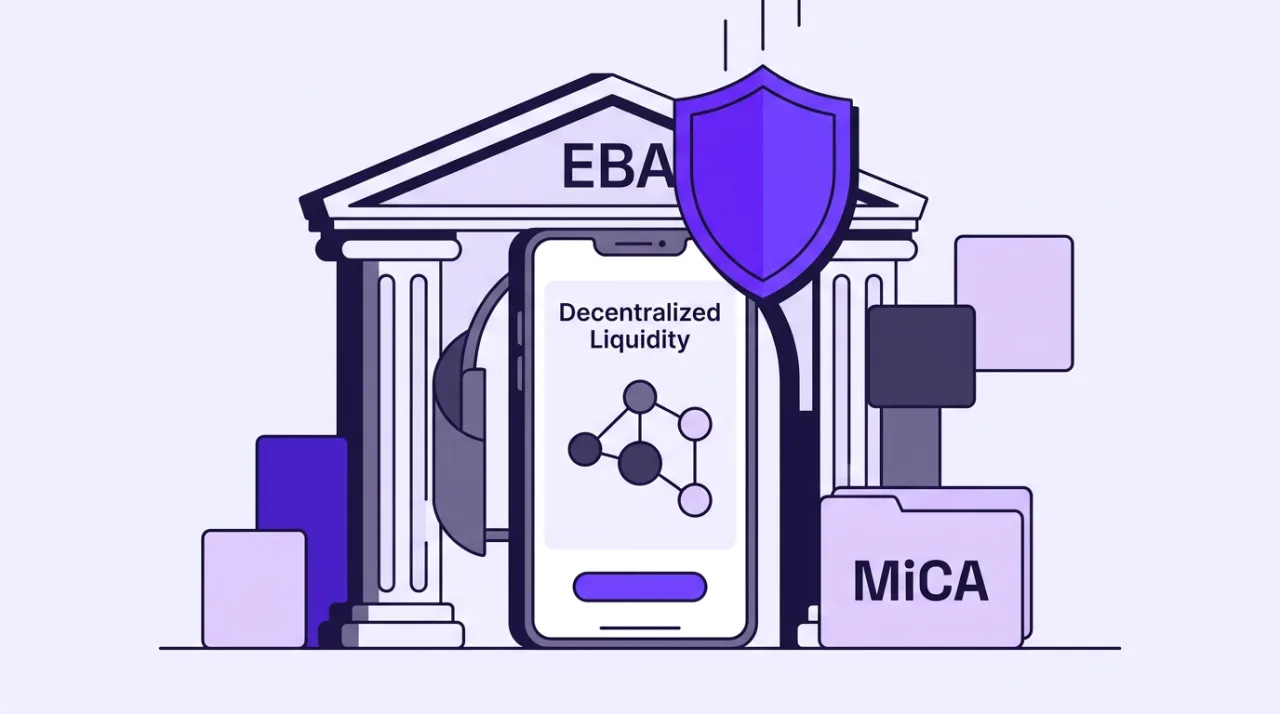
The European Banking Authority on 25 November 2026 published report EBA/Rep/2026/22 that calls for the European Commission to examine additional MiCA rules covering crypto-asset service providers that give clients access to decentralised finance lending protocols. The report focuses on stablecoin use in DeFi and highlights gaps that allow intermediated access to bypass existing requirements.
EBA report details on DeFi lending oversight
The November report repeats a recommendation first made in the EBA’s 24 September 2026 response to the Commission’s consultation on the MiCA review. It identifies specific risks for consumers, including total loss of assets from inadequate disclosures, high leverage, loan non-repayment, and operational failures such as smart-contract exploits. The EBA notes that e-money tokens already authorised under MiCA can serve as collateral or settlement assets in DeFi, potentially transmitting risks back to issuers and CASP gateways.
Current MiCA text excludes fully decentralised activities without an intermediary, as stated in Recital 94. When CASPs supply user interfaces, order routing, or automated tools that connect retail clients to lending protocols, the activity falls outside direct supervision. The report lists 37 authorised EMTs under MiCA, with USDC holding the largest share among them, while unauthorised stablecoins such as USDT continue to dominate overall DeFi volume. The EBA flags that routing to unauthorised tokens could undermine MiCA’s ban on interest payments for EMTs and ARTs and its rules on public offers.
Suggested measures for the Commission include adding intermediated crypto borrowing and lending as a new MiCA service category. Additional obligations could cover suitability assessments, leverage limits, mandatory risk warnings, and a prohibition on directing clients to unauthorised stablecoins. A certification scheme for DeFi lending protocols, covering cyber resilience and governance standards, is also proposed for further cost-benefit analysis.
Market context and next steps for EU regulation
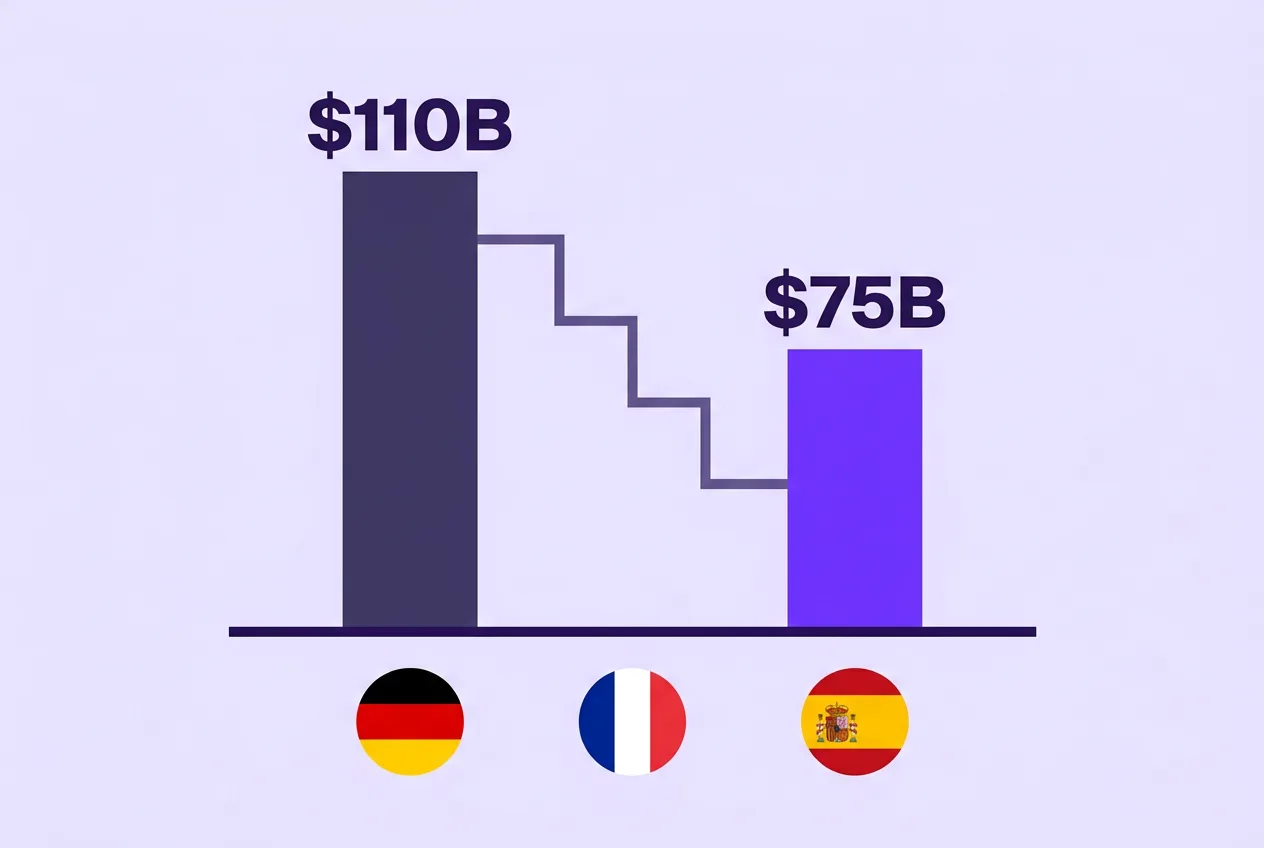
DeFi total value locked has declined from above $110 billion early in 2026 to an estimated $67.5–75 billion in recent months, representing roughly 3 percent of global crypto market value. Germany, France and Spain record the highest domestic DeFi volumes within the EU, yet these figures remain small compared with global leaders. A 2026 survey indicated that 15 percent of respondents in Western Europe held USDT, an unauthorised token under MiCA. Institutional investor surveys show 42 percent of European firms expect some DeFi exposure by 2028.
An earlier EBA-ESMA joint report from January 2025 already documented crypto lending and borrowing activities in at least 16 member states. The current analysis extends that finding to DeFi access points and warns of regulatory arbitrage that could weaken MiCA’s stablecoin framework. The EBA will continue monitoring stablecoin flows into DeFi and stands ready to supply technical advice if the Commission decides to move forward with legislative proposals.
The Commission has not yet indicated whether it will incorporate these suggestions into the upcoming MiCA review. Any changes would require formal impact assessment and legislative procedure. CASPs that currently offer DeFi lending interfaces face no immediate new obligations, but the report signals that future authorisation conditions could include controls on such activities.
Frequently asked questions
What does the EBA recommend for CASPs that connect clients to DeFi lending?
The EBA suggests adding intermediated crypto borrowing and lending as a regulated MiCA service and imposing suitability tests, leverage limits, and risk disclosures on firms that provide such access.
Which stablecoins are covered in the November 2026 EBA report?
The report examines both MiCA-authorised e-money tokens and unauthorised stablecoins used in DeFi protocols, noting that 37 EMTs have received authorisation so far.
Does MiCA already regulate fully decentralised lending protocols?
No. Recital 94 of MiCA explicitly excludes activities without an intermediary, creating the gap the EBA now asks the Commission to address for CASP gateways.
When did the EBA first raise this issue with the European Commission?
The EBA included the recommendation in its 24 September 2026 response to the Commission’s targeted consultation on the MiCA review.
Comments 1