News JPMorgan
JPM Coin Moves to Ethereum Mainnet for Institutional Clients
Key points
JPMorgan announced on October 19, 2026, that its USD deposit token JPM Coin is now available on the Ethereum mainnet for eligible institutional clients.

JPMorgan announced on October 19, 2026, that its USD-denominated deposit token JPM Coin is now live on the Ethereum mainnet. The move extends availability beyond the Base network and targets institutional clients using the bank’s Kinexys platform, formerly known as Onyx.
JPM Coin represents actual dollar deposits held at JPMorgan. It supports near-instant, 24/7 peer-to-peer transfers and settlements on public blockchains. Access remains permissioned and limited to vetted institutional users.
JPM Coin Details and Ethereum Integration
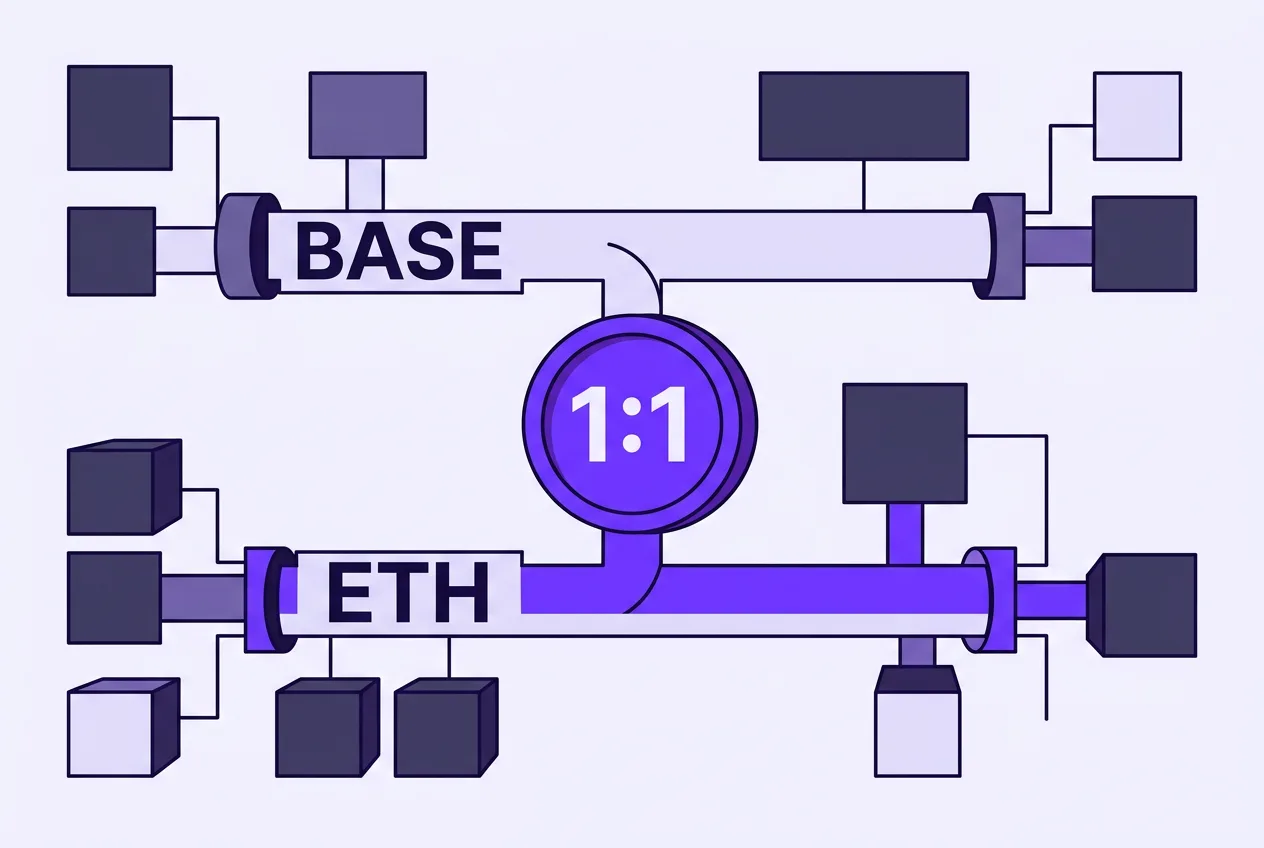
The token, carrying the ticker JPMD, enables transfers across the Ethereum ecosystem while maintaining a one-to-one link to cash deposits. Clients can move funds between Ethereum and Base through EVM-compatible wallets without leaving the permissioned environment. JPMorgan selected Ethereum for its existing liquidity in tokenized assets and established institutional adoption.
The Kinexys platform has processed more than $4 trillion in cumulative transactions, with average daily volume near $7 billion. JPM Coin itself stays restricted to institutional participants and is not available for public trading or retail use. The expansion keeps the same compliance controls that apply on Base.
Officials at JPMorgan cited Ethereum’s depth of tokenized assets and settlement liquidity as key reasons for the choice. Institutional clients gain the ability to settle payments and post collateral outside traditional banking hours while retaining the legal status of bank deposits.
Background on Tokenization Efforts
JPM Coin first reached production on Base in November 2025 following a June 2025 proof-of-concept that involved B2C2, Coinbase, and Mastercard. The bank has continued to expand its tokenization work, including launches of tokenized money-market funds on Ethereum in December 2025 and May 2026.
The shift reflects a broader move by JPMorgan from private permissioned networks toward public blockchains where liquidity already exists. Earlier references to the Canton Network and potential euro-denominated versions indicate further multi-chain and multi-currency plans remain under review.
Sources for the announcement include statements from Bloomberg, The Block, and CoinDesk on October 19, 2026. JPMorgan’s official communications emphasized speed and efficiency gains for institutional payments without altering regulatory requirements.
Market Context and Next Steps
Institutional payments and tokenized deposits have drawn increasing attention from banks and asset managers seeking settlement efficiencies. JPM Coin’s addition to Ethereum places it alongside other tokenized instruments already active on the chain, potentially simplifying collateral management across platforms.
Further blockchain expansions are planned, though JPMorgan has not released specific timelines. The bank continues to focus on permissioned access models that meet institutional compliance standards while operating on public infrastructure.
Frequently asked questions
What is JPM Coin and how does it work on Ethereum?
JPM Coin is a USD deposit token issued by JPMorgan that represents actual cash held at the bank. On Ethereum it allows permissioned institutional clients to transfer and settle funds 24/7 through the Kinexys platform.
When did JPM Coin first launch and on which network?
The token entered production on Coinbase’s Base network in November 2025 after a proof-of-concept earlier that year. The Ethereum mainnet expansion was announced on October 19, 2026.
Who can access JPM Coin on Ethereum?
Only vetted institutional clients approved through Kinexys may use the token. It remains unavailable to retail users and is not listed on public exchanges or DeFi protocols.
What volume has Kinexys processed to date?
The platform has handled more than $4 trillion in cumulative transactions, with average daily volume around $7 billion.
Comments
No comments yet. Be the first!