News Deutsche Bank
Deutsche Bank Crypto Custody Launch Nears in Germany Ahead of 2027 Asia Expansion
Key points
Deutsche Bank prepares to launch crypto custody services in Germany within weeks and targets Asia markets for 2027 rollout under MiCA rules.
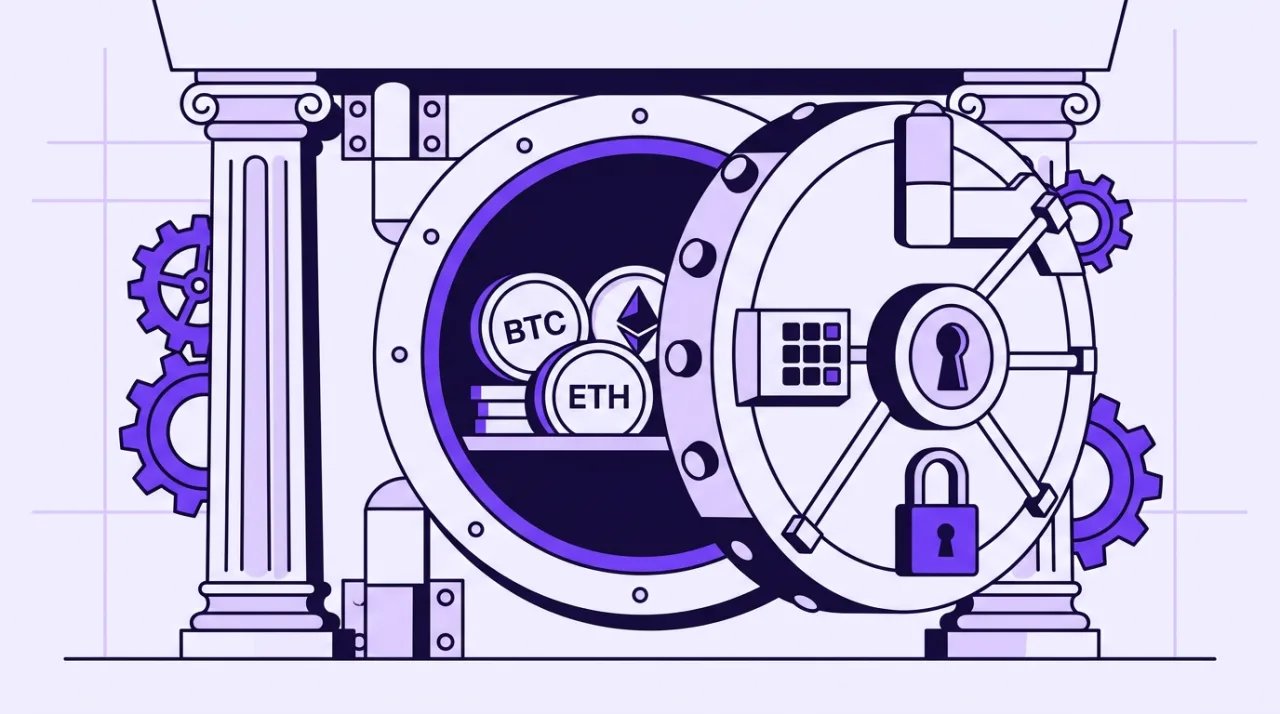
Deutsche Bank stands weeks away from launching crypto custody services in Germany for corporate and institutional clients and has outlined plans to extend the platform to Asia in 2027.
The bank received BaFin authorization on October 12, 2026, under EU MiCA rules for custody, administration, and transfer services. Initial support covers Bitcoin, Ether, and selected stablecoins including USDC, EURC, and EURAU. Gerald Podobnik, co-head of the corporate bank, confirmed the timeline during IMF and World Bank meetings in Bangkok on October 16, 2026.
Deutsche Bank Crypto Custody Rollout and Regulatory Steps
The German launch marks the first phase of a broader digital asset strategy. Services begin with custody and transfer of major cryptocurrencies for corporates, asset managers, hedge funds, custodians, brokers, and sovereign institutions. The Corporate Bank division will manage wallets and private keys.
BaFin approval covers operations initially limited to Germany. Later phases will add stablecoin conversion, tokenized deposits, and support for issuing blockchain-based securities such as digital bonds. Client onboarding will proceed once remaining internal and regulatory steps conclude.
The rollout aligns with the bank’s target of 8 percent compound annual revenue growth in corporate banking through 2028. Growth drivers include rising volumes in digital assets and stablecoins, which already represent hundreds of billions in holdings across global markets.
Asia Expansion Plans and Technology Foundation
Deutsche Bank intends to extend the custody platform to Asian financial centers in 2027, subject to local regulatory approvals. Specific jurisdictions remain unnamed in current statements. The move follows the bank’s participation in the $65 million Series B round for Swiss technology provider Taurus, announced in September 2023.
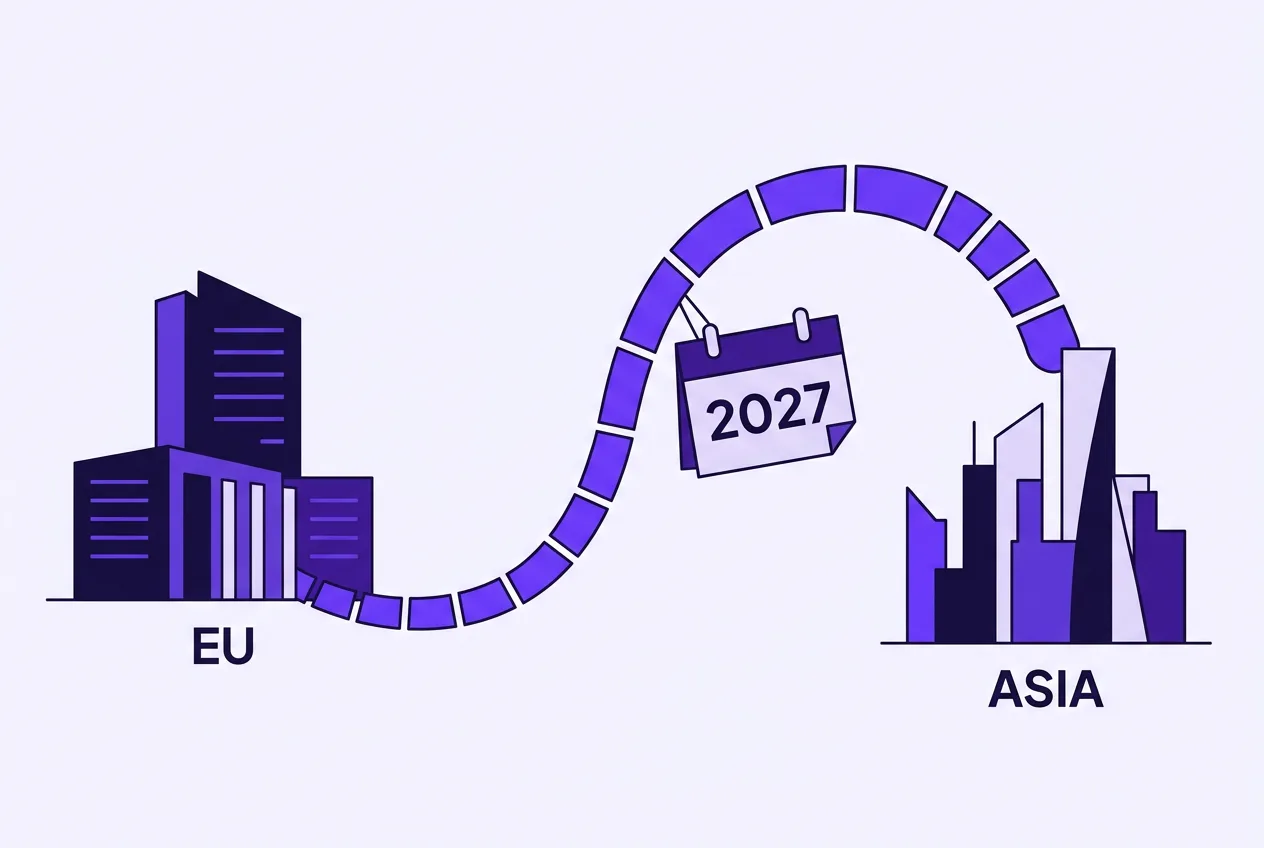
The Taurus partnership supplies core infrastructure for digital asset services. Reports indicate additional technology support may supplement the platform. Exact service scope and client numbers for Asia will depend on regulatory clearances and operational readiness in each market.
Institutional demand for regulated crypto custody continues to grow. Banks offering compliant services under frameworks such as MiCA gain an advantage when competing for mandates from asset managers and corporates seeking secure storage and settlement options.
Market Context and Next Milestones
Deutsche Bank’s entry into crypto custody follows similar moves by other European institutions adapting to MiCA requirements. The authorization places the bank on the ESMA interim register alongside other approved providers. No specific assets under management or revenue targets tied to the custody business have been disclosed.
Future updates will clarify client onboarding timelines and the sequence of service additions. The phased approach allows the bank to test operations in Germany before scaling to Asia. Market participants will monitor regulatory developments in target jurisdictions for signs of progress.
Frequently asked questions
When will Deutsche Bank launch crypto custody in Germany?
The bank is weeks away from the first digital asset custody services as of mid-October 2026. Authorization from BaFin was granted on October 12, 2026.
Which assets does Deutsche Bank plan to support initially?
Support starts with Bitcoin, Ether, and selected stablecoins including USDC, EURC, and EURAU. Additional services such as tokenized deposits will follow in later phases.
What is the timeline for Asia expansion?
The bank targets 2027 for custody platform rollout in Asian financial centers. Specific markets and exact dates depend on local regulatory approvals.
Who are the target clients for the custody services?
Services focus on corporate and institutional clients including asset managers, hedge funds, custodians, brokers, and sovereign institutions through the Corporate Bank division.
Comments 3