News Regulation
ASEAN+3 Crypto Regulation Working Group Targets Digital Payments Alignment
Key points
Finance and central bank deputies from ASEAN+3 agreed on November 26 in Kyoto to create a working group under the new AMRO Cross-Border Digital Payments Program.
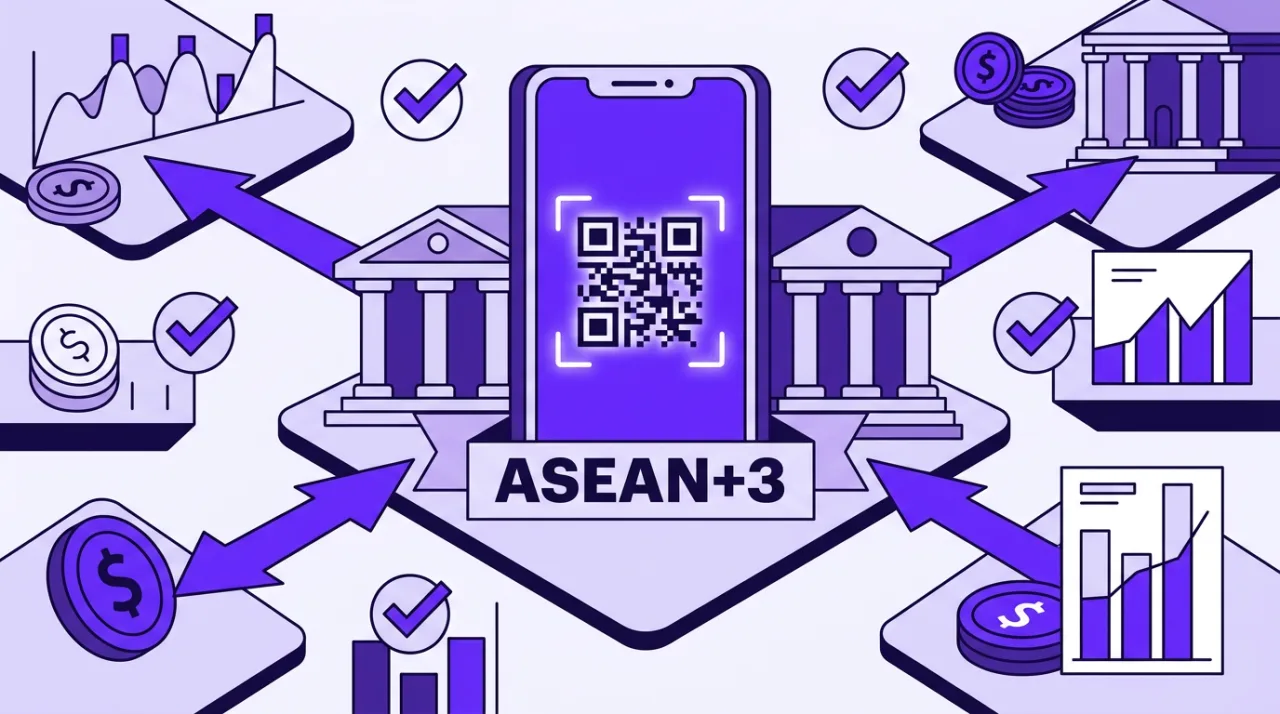
Finance and central bank deputies from the eleven ASEAN members plus China, Japan and South Korea agreed on November 26, 2026, in Kyoto to establish the AMRO Cross-Border Digital Payments Program and a dedicated working group. The decision follows a May 3, 2026, directive from ASEAN+3 finance ministers and central bank governors in Samarkand that named cross-border digital payments as a new area for regional cooperation.
Working Group Mandate and Initial Workstreams
The group will conduct policy dialogue on retail and wholesale payment connectivity, including QR-code payments, remittances and interbank settlements, while also addressing regulatory approaches to digital assets. It has no rule-making or enforcement powers and will limit its role to dialogue, gap analysis and non-binding recommendations. The Kyoto co-chairs’ statement used the term “digital assets” rather than naming stablecoins specifically.
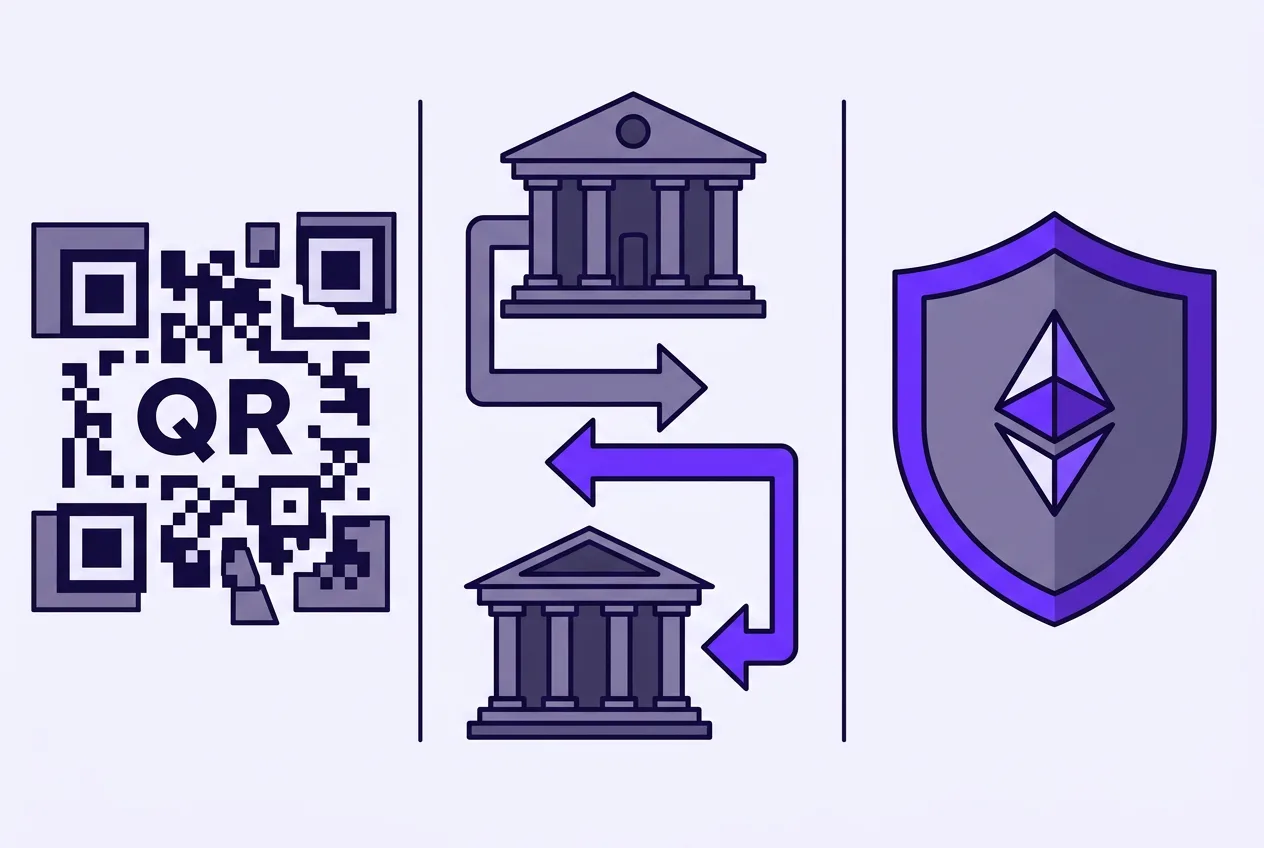
AMRO has already started preparatory work. Its first workstream is a gap analysis of retail payment connectivity across the region that will map existing links, identify barriers and examine use cases in remittances, tourism and e-commerce. Outcomes will be reported to ASEAN+3 finance ministers and central bank governors at their next meeting in Nagoya in May 2027, when Singapore and South Korea are scheduled to serve as co-chairs.
Regional Context and Next Steps
The initiative responds to fragmented national payment systems and existing bilateral QR and fast-payment links. Prior AMRO analysis had highlighted concerns that heavy reliance on dollar-denominated stablecoins could affect local currencies and monetary sovereignty. The new working group provides a forum to discuss these issues without committing any jurisdiction to specific standards at this stage.
No timelines, budgets, membership lists or binding standards were announced in Kyoto. Any coordinated positions or further actions will require approval from ministers and governors in 2027. Policy dialogue and analytical work will continue through the working group until that meeting.
Frequently asked questions
What is the AMRO Cross-Border Digital Payments Program?
It is the framework under which ASEAN+3 established a working group on November 26, 2026, to examine retail and wholesale payment links and regulatory approaches to digital assets.
Does the new working group have authority to set rules?
No. The group is limited to policy dialogue, gap analysis and recommendations; any binding decisions require approval from ASEAN+3 finance ministers and central bank governors.
When will the group report its findings?
Findings are scheduled for presentation at the next ASEAN+3 finance ministers and central bank governors meeting in Nagoya in May 2027.
What prompted the initiative?
A May 3, 2026, directive from ASEAN+3 ministers and governors in Samarkand identified cross-border digital payments as a cooperation priority and asked deputies to finalize modalities by the end of 2026.
Comments
No comments yet. Be the first!