News France
France Stablecoin Tax Targets Crypto Swaps at 31.4 Percent Starting 2027
Key points
France’s National Assembly passed an amendment on 16 October 2026 that ends tax deferral for crypto-to-MiCA-stablecoin swaps and applies the 31.4% flat rate from 1 January 2027.
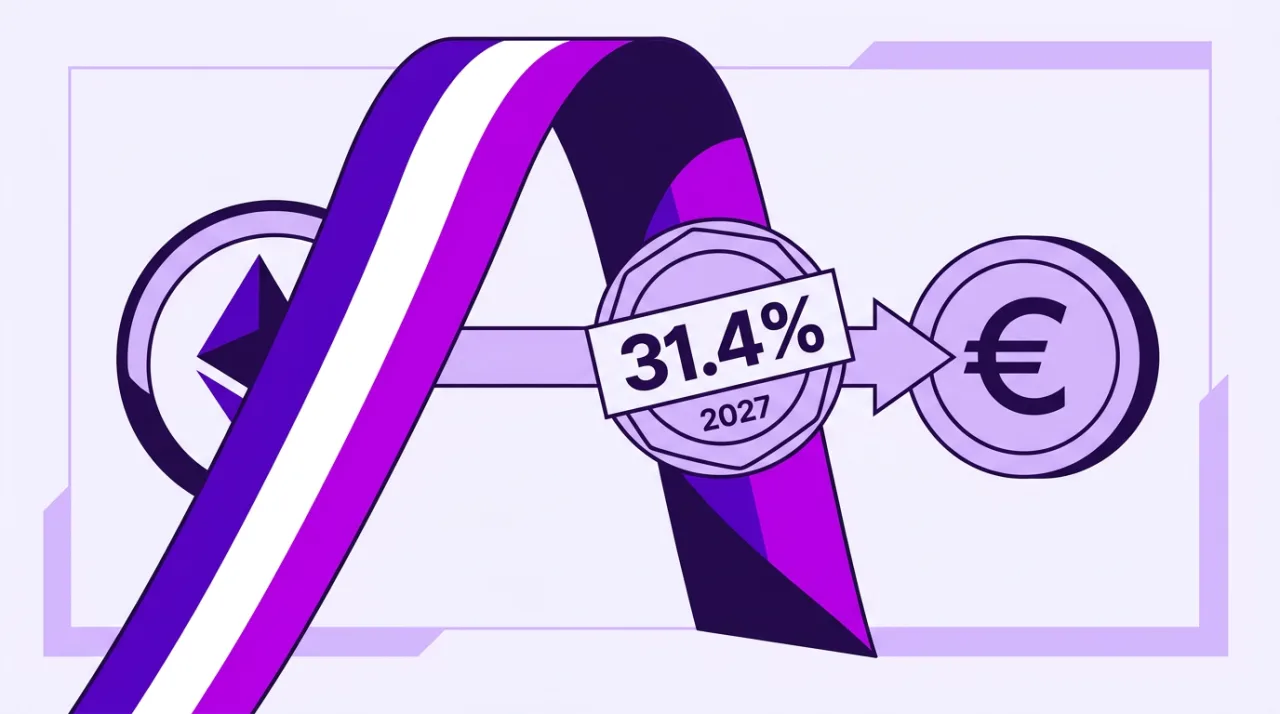
France’s National Assembly adopted amendment I-3898 to the 2027 budget bill on 16 October 2026, ending tax deferral for swaps of crypto-assets into MiCA-defined electronic money tokens. The measure passed by 38 votes to 37 with 25 abstentions and takes effect on 1 January 2027.
Amendment Details and Tax Treatment
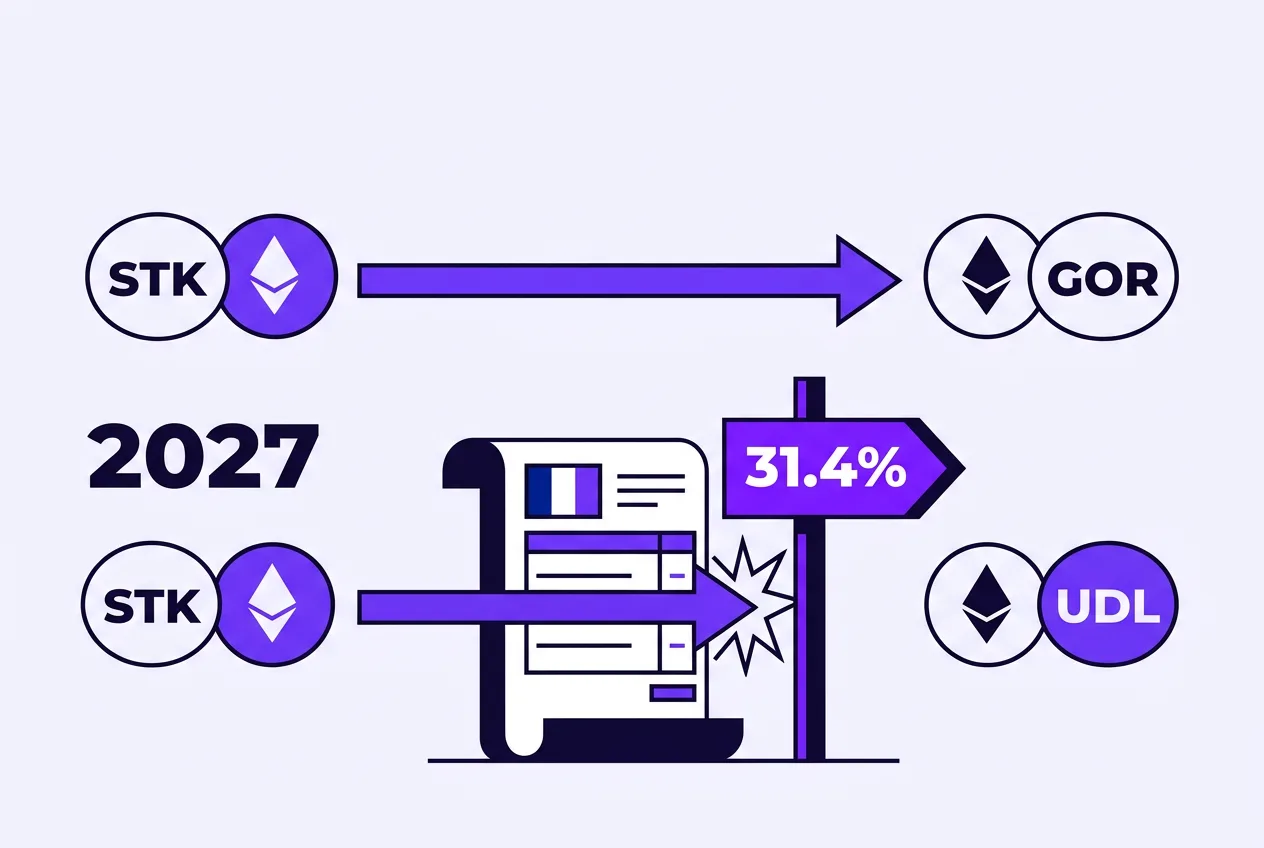
The amendment, introduced by deputy Nicolas Sansu and 16 co-signers, removes the deferral provided under article 150 VH bis of the General Tax Code for exchanges into stablecoins pegged to a single official currency. These tokens, referred to as EMTs under MiCA Regulation (EU) 2023/1114, include assets such as USDC and EURC. From the start of 2027, such swaps count as taxable disposals.
Gains on the transactions fall under the existing 31.4 percent flat rate for private investors, comprising 12.8 percent income tax and 18.6 percent social contributions, or the progressive income-tax scale if chosen. The calculation method moves to a per-asset weighted-average cost basis. The change does not extend to stablecoins referenced to baskets of currencies or non-currency assets such as gold.
Under prior rules, crypto-to-crypto trades, including those into stablecoins, deferred tax until conversion to fiat or actual spending. The new rule isolates MiCA EMTs and treats the exchange as a realization event. The government issued an unfavourable opinion on the amendment during debate.
Legislative Path and Market Context
The vote occurred during first reading of the revenue section of the PLF 2027. The scheduled solemn vote on that section was postponed because of remaining amendments. The full first reading of the budget bill is set for 17 November 2026, after which the text moves to the Senate and possible joint-committee reconciliation.
France currently aligns its crypto taxation with several EU peers. Italy and the United Kingdom already tax certain stablecoin conversions without deferral. Observers have noted that the French change could prompt some users to shift activity toward DeFi protocols or platforms outside MiCA scope, though the amendment applies only to regulated EMTs.
Separate proposals discussed in the same budget process, including an exit tax on large crypto holdings for emigrants and reporting thresholds for self-custody wallets, were not included in the adopted text. The National Assembly records show 100 of 577 deputies participated in the vote on amendment I-3898.
Practical Effects for Investors and Platforms
From 2027, any French tax resident who exchanges a crypto-asset for a MiCA EMT will need to calculate and declare the gain at the time of the swap. Exchanges and custodians serving French clients may adjust reporting fields to capture these events separately from other crypto-to-crypto trades. Taxpayers electing the progressive scale will continue to apply the same cost-basis rules.
MiCA itself, which entered into force in 2024, defines EMTs as tokens that maintain a stable value by reference to one official currency. The French amendment therefore targets only that narrow category. Stablecoins referenced to multiple assets remain outside the new tax trigger for now.
Frequently asked questions
When does the new France stablecoin tax start?
The amendment applies from 1 January 2027 to swaps involving MiCA electronic money tokens. The National Assembly adopted the measure on 16 October 2026 as part of the 2027 budget bill.
Which stablecoins are affected by the tax change?
Only tokens defined as electronic money tokens under MiCA and pegged to a single official currency fall under the new rule. Stablecoins referenced to baskets or non-currency assets remain outside the scope.
How is the tax rate calculated on crypto-to-stablecoin swaps?
Gains are taxed at the standard 31.4 percent flat rate for digital-asset capital gains, or the progressive scale if elected. The cost basis shifts to a per-asset weighted-average method.
What happens next in the legislative process?
The full PLF 2027 first reading is scheduled for 17 November 2026. The bill then proceeds to the Senate and possible joint-committee review before final adoption.
Comments 1