News ECB
ECB Tokenized Central Bank Money Essential as Cipollone Outlines Pontes Role in DLT Markets
Key points
ECB Executive Board member Piero Cipollone stressed tokenized central bank money as the anchor for safe scaling of DLT markets during an address to the Italian Banking Association.
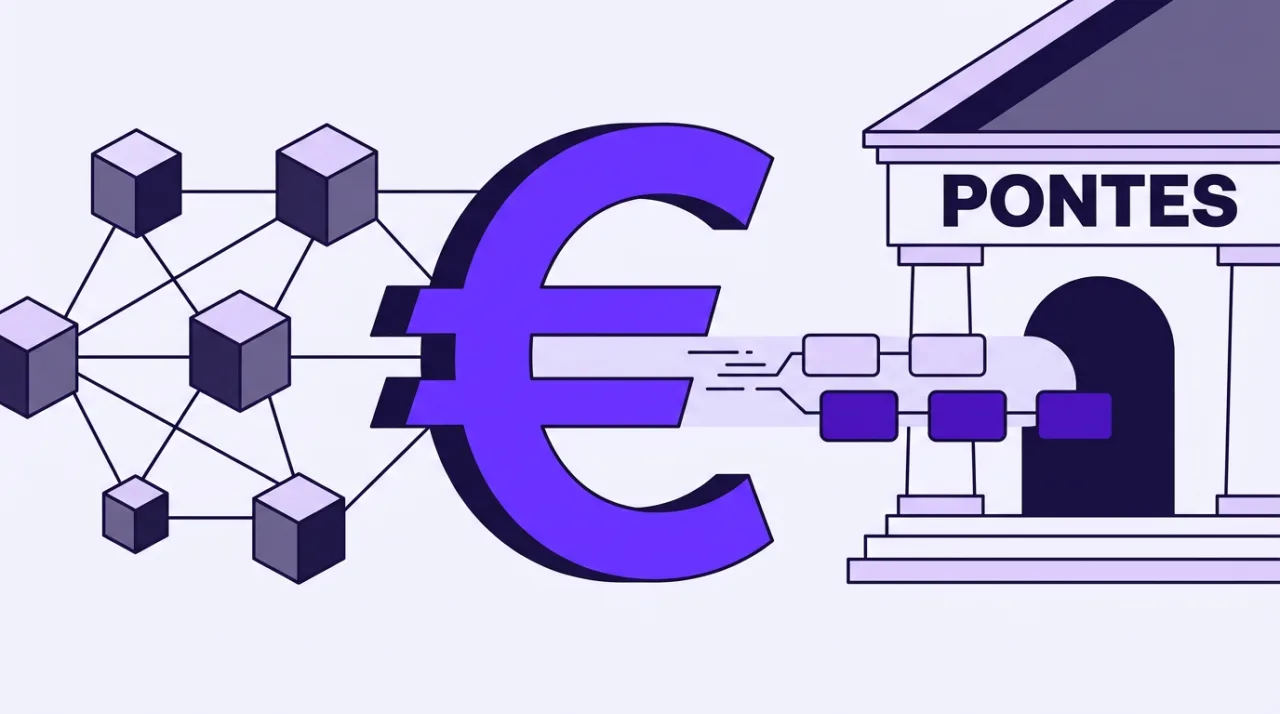
ECB Executive Board member Piero Cipollone highlighted the role of tokenized central bank money during a 21 October 2026 speech to the Italian Banking Association. He described the recently launched Pontes service as the mechanism that connects distributed ledger technology platforms to existing TARGET Services for settlement in central bank money.
Pontes Service Details and Initial Participants
The Eurosystem activated Pontes on 21 September 2026. The service allows wholesale transactions in tokenized assets on DLT platforms to settle directly in central bank money through links to T2 and other TARGET components. Cipollone stated that Pontes supplies the stability and trust of central bank money to the European tokenized finance ecosystem and supplies an important advantage for scaling.
At launch, thirteen market participants completed onboarding. They include Deutsche Bank, Santander, Société Générale, the European Investment Bank and KfW. The Deutsche Bundesbank joined as a participant, and four DLT operators—Axiology, Cashlink, Clearstream and SWIAT—connected their platforms. Additional institutions are expected to join on a gradual schedule.
Pontes rests on earlier exploratory work conducted in 2024. That program involved 64 participants and more than fifty trials across nine jurisdictions, generating roughly 1.6 billion euros in transaction volume. The trials confirmed the requirement for risk-free central bank money settlement in DLT environments. Since March 2026, DLT-based assets held in central securities depositories have qualified as collateral for Eurosystem credit operations under existing eligibility rules.
Longer-Term Appia Initiative and Planned Enhancements
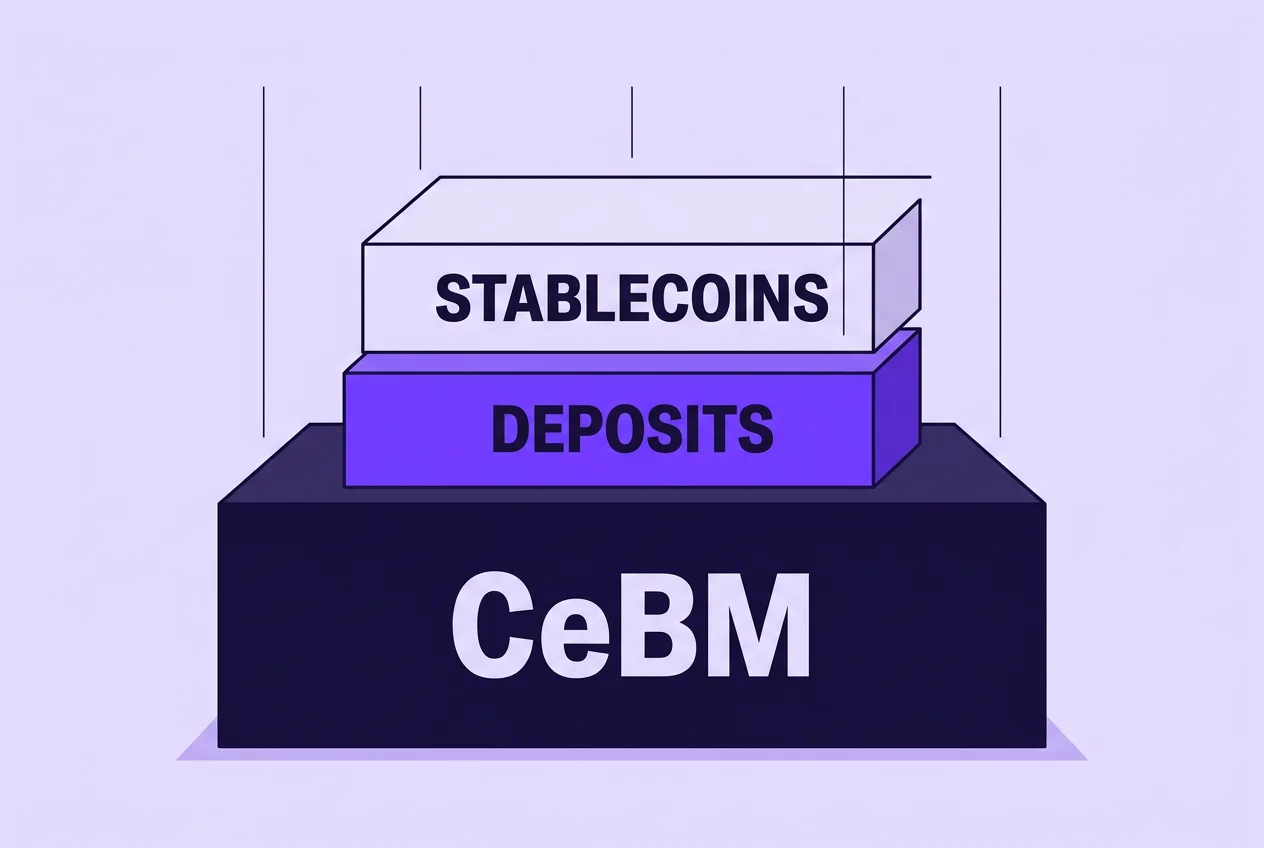
Cipollone has consistently argued that tokenized central bank money functions as the public settlement anchor needed to scale tokenized deposits and stablecoins safely. Without this anchor, he has warned, fragmentation and credit risk could increase, payment finality could weaken, and monetary sovereignty along with the two-tier banking system could face pressure. Pontes therefore operates as the immediate operational layer, while the Appia initiative addresses the longer-term architecture.
The Appia roadmap was published on 11 March 2026. It covers standards, interoperability and governance for an integrated European tokenized ecosystem. Practical design work with market participants is scheduled to begin in 2027, with a blueprint targeted for 2028. Pontes itself will receive progressive upgrades, including extended operating hours, immediate finality on an Eurosystem DLT platform, greater programmability and 24/7 multi-currency support. Full implementation of these features is planned for mid-2028.
Cipollone invited banks to explore participation opportunities such as automated servicing and improved collateral mobility. He also encouraged industry input on standards through the Appia consultation channels. The ECB has started preparatory work to invest a small portion of its own funds in tokenized euro-denominated public and supranational securities settled via Pontes.
Market Context and Settlement Requirements
Tokenized assets require settlement assets that carry no credit or liquidity risk to maintain payment finality across borders and platforms. Cipollone has noted that private tokenized deposits and stablecoins can coexist with central bank money only when the latter remains available as the ultimate settlement instrument. This structure preserves the two-tier monetary system in which commercial banks continue to intermediate while central bank liabilities provide the neutral anchor.
Industry participants that have already connected to Pontes report operational benefits in collateral movement and automated settlement cycles. The service currently operates during TARGET business hours, with extensions scheduled in later phases. Cipollone indicated that continued dialogue with banks and DLT operators will shape the standards and governance rules that Appia will codify by 2028.
Frequently asked questions
What is the Pontes service launched by the Eurosystem?
Pontes is an operational service that connects DLT platforms to TARGET Services so wholesale tokenized asset transactions can settle in central bank money. It went live on 21 September 2026 with thirteen initial market participants and four DLT operators.
Why does Cipollone consider tokenized central bank money necessary for DLT markets?
Cipollone argues that tokenized central bank money provides the risk-free settlement anchor required to scale tokenized deposits and stablecoins without introducing credit risk or fragmentation. It also supports payment finality and preserves the two-tier monetary system.
What is the Appia initiative and when will its blueprint appear?
Appia is the longer-term Eurosystem project that explores architecture, standards, interoperability and governance for a European tokenized ecosystem. A blueprint is targeted for 2028 after design work begins in 2027.
Which institutions joined Pontes at launch?
Initial participants include Deutsche Bank, Santander, Société Générale, the European Investment Bank, KfW, the Deutsche Bundesbank and DLT operators Axiology, Cashlink, Clearstream and SWIAT.
Comments
No comments yet. Be the first!