News Blockchain
Wall Street blockchain infrastructure expands for tokenized assets and 24/7 settlement
Key points
Major banks advance permissioned blockchain platforms to tokenize securities and deposits, with DTCC launching its service in late October 2026.
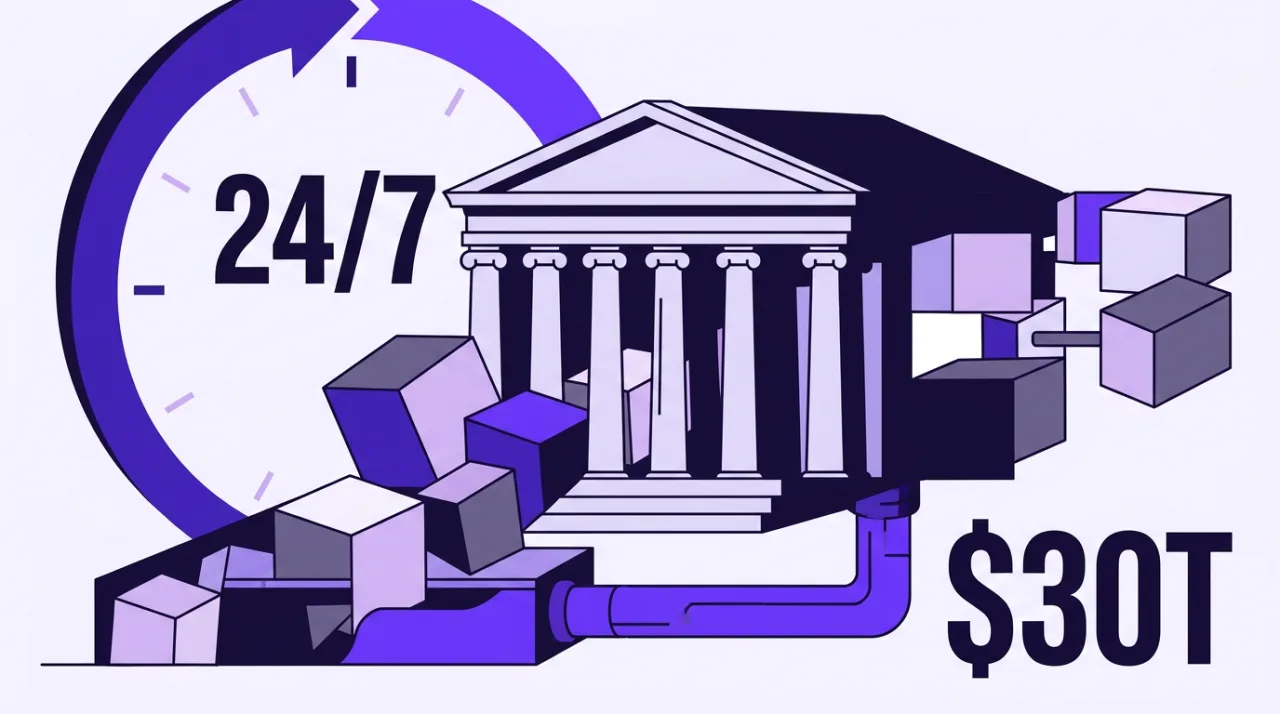
Major Wall Street banks including Goldman Sachs, JPMorgan, Wells Fargo, Morgan Stanley, Citi and BNY are expanding private permissioned blockchain networks to support tokenized securities, deposits and collateral. The moves enable near-instant settlement and 24/7 movement inside controlled environments while maintaining regulatory compliance. DTCC’s Tokenization Service begins commercial access at the end of October 2026.
Current deployments across bank platforms
DTCC published its tokenization rulebook around 16 October 2026 and will open the service to 25 securities covering select Russell 1000 equities, ETFs and U.S. Treasuries that represent roughly $30 trillion of the $114 trillion in DTC-eligible assets. Tokens remain 1:1 backed by underlying DTC holdings and carry the same CUSIP identifiers and ownership rights. Initial networks include the Canton platform using CIP-56 standards and DTCC’s private Hyperledger Besu instance running ERC-20 tokens.
BNY completed the first tokenized U.S. Treasury triparty repo on its private ledger with Citadel Securities in October 2026. A 2-year note settled in minutes rather than T+1 and served as collateral for an overnight repo transaction. JPMorgan’s Kinexys platform, which includes JPM Coin and JPMD tokenized deposits, has processed more than $4 trillion cumulatively with a daily average of about $7 billion. JPMD expanded to Ethereum mainnet on 19 October 2026 for institutional clients and now supports eight currencies.
Citi Token Services operates across seven markets on its private permissioned chain for tokenized deposits and payments. Wells Fargo processes tokenized deposits for cross-border payments in corridors that complete in two minutes or less. Canton Network participants, including Goldman Sachs, JPMorgan, BNY and Broadridge, handle significant daily repo volumes with Broadridge alone reporting more than $300 billion in U.S. Treasury repo activity on the network.
Drivers and regulatory context
Banks cite reduced settlement fails, collateral optimization and competitive payments capabilities as primary reasons for moving from pilot to production. Permissioned rails remain the focus to preserve privacy, meet Basel requirements and ensure compliance. A July 2026 DTCC pilot already involved more than 30 firms executing tokenized collateral pledges, securities lending, Treasury and equity repo, margin and transfers on both Canton and Besu networks.
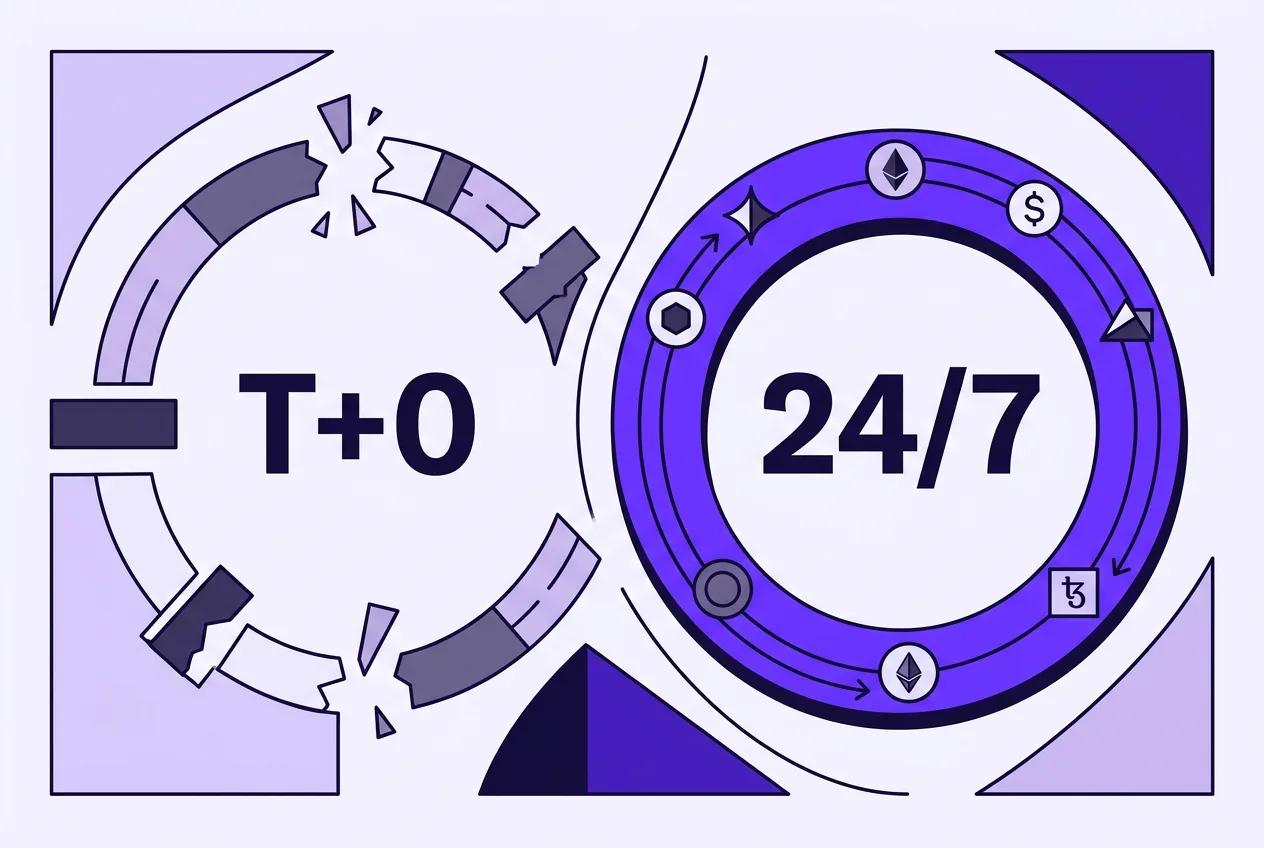
DTCC received SEC no-action relief in December 2025 for a three-year pilot that underpins the current launch. Bank executives from Goldman Sachs, Wells Fargo and Morgan Stanley described tokenization during Q3 2026 earnings calls as an opportunity in trading, payments and advisory services rather than a competitive threat. BNY stated the infrastructure supports a more connected, efficient and always-on financial system.
Planned expansions through 2027
DTCC intends to add more securities, introduce netting and incorporate digital cash features in the coming months. BNY plans to extend 24/7 settlement capabilities to European and Asian time zones in 2027. The Clearing House aims to launch tokenized deposit services in the first half of 2027, while Morgan Stanley targets support for tokenized equities in the first quarter of 2027. Additional interoperability work between Canton, Stellar and Circle’s Arc platform is scheduled for next year.
Frequently asked questions
Which banks are actively using private blockchains for tokenized assets?
Goldman Sachs, JPMorgan, Wells Fargo, Morgan Stanley, Citi and BNY operate permissioned blockchain platforms for tokenized securities and deposits as of October 2026.
When does DTCC’s Tokenization Service become available?
Commercial access begins in late October 2026, initially covering 25 securities backed by DTC holdings.
How fast can settlement occur on these networks?
Transactions on Canton and bank-ledgers settle in minutes for peer-to-peer transfers within the same chain, with conversion to traditional form targeted at about 15 minutes during business hours.
What regulatory steps support the current rollout?
DTCC operates under SEC no-action relief granted in December 2025 for a three-year pilot period.
Comments
No comments yet. Be the first!