News Regulation
SEC tokenization examination priorities 2027 include superintelligence and clearing agency reviews
Key points
The SEC Division of Examinations released its Fiscal Year 2027 priorities on October 23, 2026, naming tokenization and superintelligence for the first time as focus areas for more than 34,000 registrants.
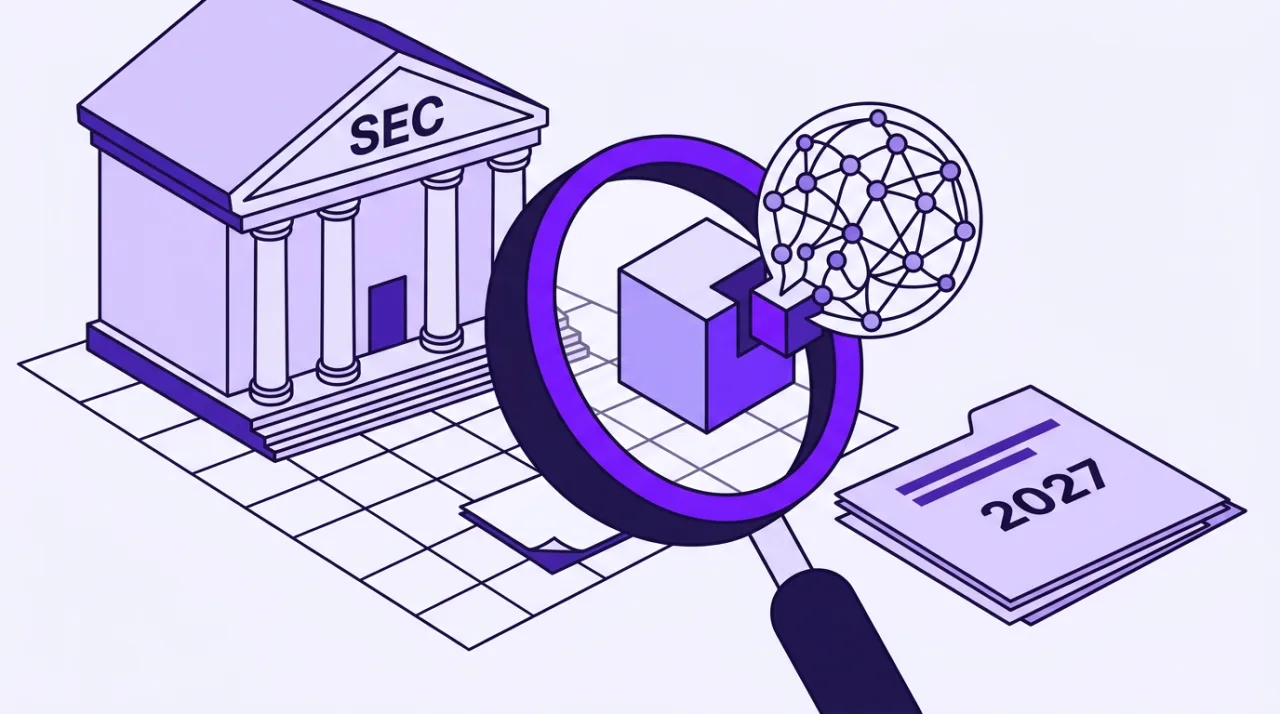
The U.S. Securities and Exchange Commission’s Division of Examinations released its Fiscal Year 2027 examination priorities on October 23, 2026. The document directs risk-based reviews across more than 34,000 registrants, including investment advisers, broker-dealers, clearing agencies, and transfer agents. Tokenization appears explicitly for the first time under risks tied to evolving market infrastructure, while superintelligence receives attention under emerging technologies.
SEC tokenization examination priorities 2027 target clearing agencies and Regulation SCI
Examiners will review clearing-agency policies, procedures, and controls with tokenization listed among high-risk areas. The focus sits alongside default risk management, recovery and wind-down planning, securities lending, and operational resilience. Tokenization was absent from the 2025 and 2026 priority lists.
Under Regulation SCI, staff will examine critical market infrastructure for emerging trends that include superintelligence, tokenization of securities, extended trading hours, and quantum computing. Reviews will assess whether firms maintain adequate systems compliance and integrity when introducing tokenized products.
The priorities document states that examinations remain risk-based and may shift with market developments. It carries no legal force and creates no new obligations for registrants.
Superintelligence and emerging technology risks receive dedicated review focus
The Division will examine how registrants deploy superintelligence in research, coding, client communications, advisory services, portfolio management, and compliance functions. Staff will also assess preparations for related cyber threats such as automated phishing and deepfake voice or video attacks used in social engineering.
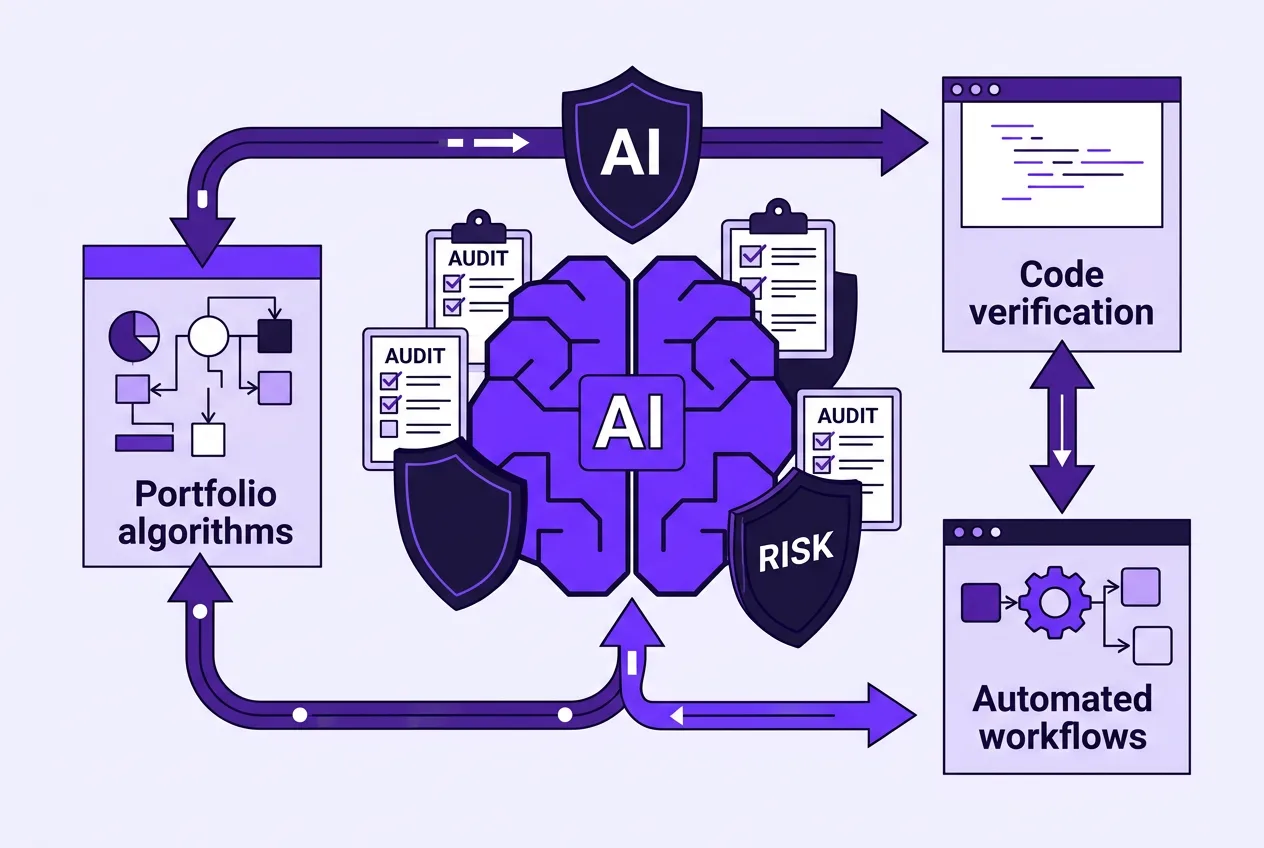
Firms’ policies for monitoring superintelligence in fraud detection, back-office operations, AML programs, Regulation Best Interest compliance, and trading will come under scrutiny. The term superintelligence refers to advanced AI technologies that may affect market operations, compliance, fraud prevention, and investor protection.
Chairman Paul S. Atkins stated that examinations serve as a key tool for promoting compliance and investor protection. Division Director Keith Cassidy noted the need to adapt oversight to evolving markets and emerging risks. Other 2027 priorities cover fiduciary obligations, retail investor protection for complex products, private fund oversight, broker-dealer financial responsibility, and operational resiliency.
Context for registrants and market infrastructure participants
The October 23 release updates prior annual documents and reflects staff observations of increasing use of tokenized securities and advanced AI systems. No standalone crypto or stablecoin priority appears in the list. Examinations will continue to address adviser conflicts, cybersecurity, customer information protection, and oversight of self-regulatory organizations.
Registrants can review the full priorities document and the accompanying press release on SEC.gov to understand the scope of upcoming reviews. The Division may adjust examination focus based on new market developments or risk signals that arise during the fiscal year.
Frequently asked questions
When did the SEC release its FY 2027 examination priorities?
The Division of Examinations published the document on October 23, 2026. It guides risk-based reviews for the fiscal year beginning October 1, 2026.
Which areas will receive attention under tokenization reviews?
Clearing agencies face scrutiny of policies and controls related to tokenization, default management, and operations. Regulation SCI exams will also cover tokenized securities alongside extended trading hours and quantum computing.
What does the SEC mean by superintelligence in the priorities?
The term covers advanced AI technologies used in research, compliance, trading, and client communications. Examiners will review cyber preparedness and monitoring policies for these systems.
Does the priorities document create new legal obligations?
No. The release is a staff statement with no legal force. It does not impose new requirements and registrants retain existing compliance responsibilities.
Comments
No comments yet. Be the first!