News Tokenized Deposits
SoFi SOFIE Tokenized Deposit Launches as First National Bank Option at 4.40% APY
Key points
SoFi Technologies introduced SOFIE on October 22, 2026, the first national bank-issued tokenized deposit available to U.S. consumers that pays 4.40% APY and carries FDIC insurance.

SoFi Technologies announced on October 22, 2026, the launch of SoFi Earn, known by the ticker SOFIE. The product is the first and only national bank-issued tokenized deposit offered to U.S. consumers. Each token represents one U.S. dollar held at SoFi Bank, N.A., a nationally chartered FDIC member bank.
SoFi SOFIE Tokenized Deposit Product Mechanics
SOFIE pays a variable 4.40% annual percentage yield based on a 4.31368% interest rate effective October 20, 2026. Interest accrues daily on the end-of-day balance, compounds monthly, and credits monthly with no minimum balance requirement. Balances remain FDIC insured up to $250,000 per depositor, per insured bank, per ownership category, and aggregate with other SoFi Bank deposits for coverage calculations.
Users access SOFIE through SoFi Crypto accounts. The product operates separately from crypto trading and is not classified as a payment stablecoin. Members may convert SOFIE tokens one-to-one into SoFiUSD, the bank’s non-interest-bearing dollar stablecoin, to purchase crypto inside the app or to send funds over blockchain rails 24/7 to supported external wallets. Interest and FDIC coverage cease upon conversion.
Rollout to existing SoFi Crypto members began on the announcement date and is scheduled to finish in November 2026. SoFi reported approximately 15.8 million members at the time of launch. The rate remains variable and subject to change, with any applicable fees able to reduce earnings.
Background and Regulatory Context for Bank Tokenized Deposits 2026
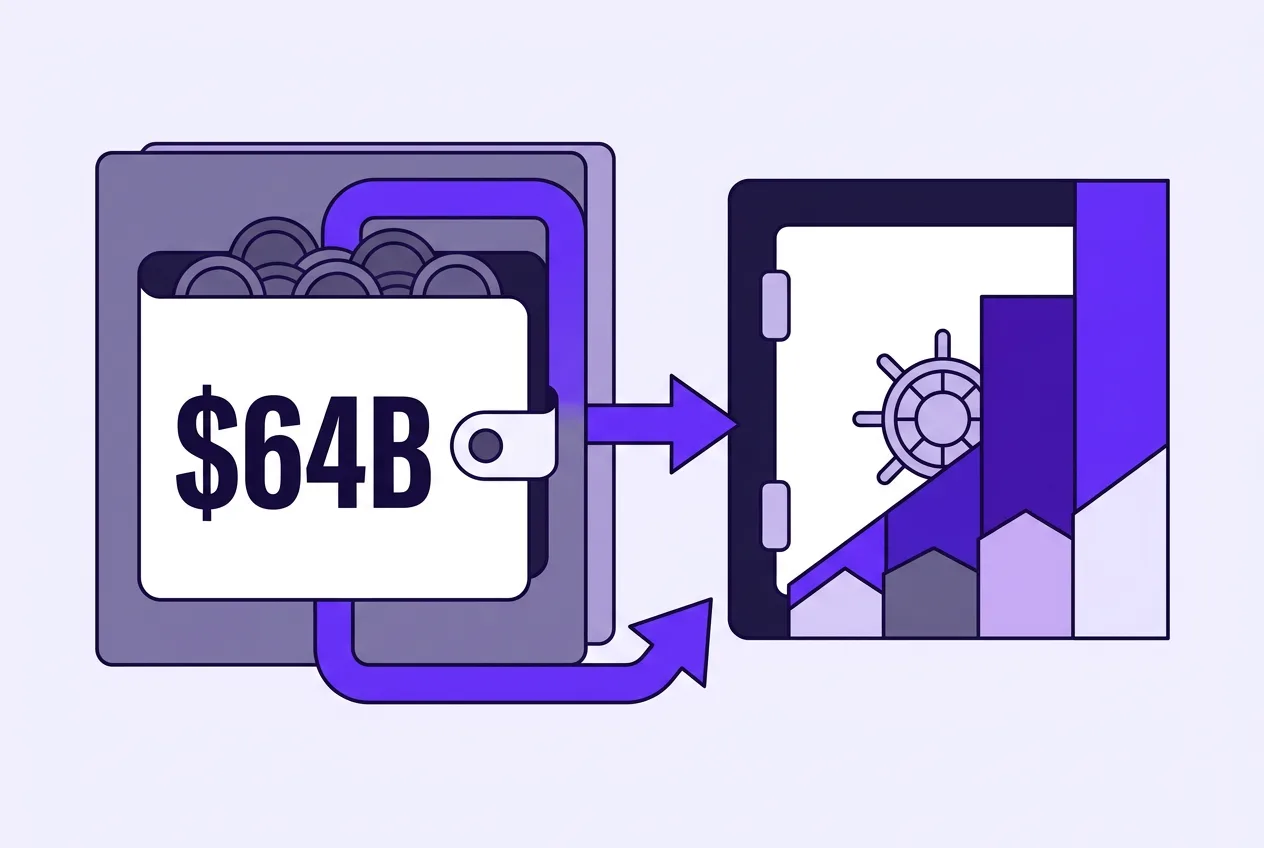
SoFi positions SOFIE to address idle digital dollars. Company materials cite Federal Reserve research estimating roughly $64 billion, or 21% of the stablecoin market, held in inactive wallets. CEO Anthony Noto described the offering as combining bank deposit protections and yields with the speed and transferability of digital assets.
This marks SoFi’s fifth crypto-related product release in under a year. Earlier offerings included consumer crypto trading introduced in November 2025 and the SoFiUSD stablecoin launched in December 2025. The product appears ahead of the GENIUS Act framework scheduled to take effect in mid-January 2027, which will restrict interest payments on payment stablecoins.
SOFIE balances do not participate in SoFi’s separate Insured Deposit Program. The company publishes a rate sheet detailing current interest terms and has made the product available initially to its existing crypto account holders before wider distribution.
Implications for Institutional and Retail Users
The launch supplies a yield-bearing tokenized deposit that moves on blockchain rails while preserving national bank and FDIC protections. Conversion features allow users to shift between interest-bearing deposits and non-yielding stablecoins for trading or external transfers without leaving the SoFi platform. Observers note that the structure may serve as a template for other banks evaluating tokenized deposit programs under emerging federal rules.
SoFi’s move also coincides with expanding institutional interest in tokenized assets that settle continuously. The product’s 1:1 backing and daily interest accrual provide a concrete example of how traditional banking products can integrate with blockchain settlement while maintaining regulatory compliance.
Frequently asked questions
How is SOFIE different from a stablecoin?
SOFIE is a tokenized deposit issued by a national bank that pays variable interest and carries FDIC insurance. It is explicitly not a payment stablecoin and converts into SoFiUSD when users need a non-interest-bearing token for trading or transfers.
What happens to FDIC coverage when SOFIE converts to SoFiUSD?
FDIC insurance and interest accrual end immediately upon conversion to SoFiUSD. The stablecoin itself carries no deposit insurance and pays no yield.
When will SOFIE become available to all SoFi members?
The rollout began on October 22, 2026, for existing SoFi Crypto account holders and is expected to reach full availability within the SoFi Crypto platform by November 2026.
Can SOFIE balances be transferred outside the SoFi app?
After conversion to SoFiUSD, tokens can move 24/7 over blockchain rails to supported external wallets. Direct transfers of SOFIE itself are not supported while it remains in deposit form.
Comments 1