News Bitcoin
Blockstream Thales Bitcoin Custody Solution Targets Institutional Investors
Key points
Blockstream launched an institutional Bitcoin custody solution with Thales on November 13, 2026, combining Secure MPC and hardware security modules to keep signing operations inside protected environments.

Blockstream launched an institutional Bitcoin custody solution developed with Thales on November 13, 2026. The offering integrates Thales hardware security modules into the Blockstream Enterprise platform and targets custodial banks, prime brokers, and other institutions that hold or manage Bitcoin.
Blockstream Thales Bitcoin Custody Integrates Secure MPC With HSMs
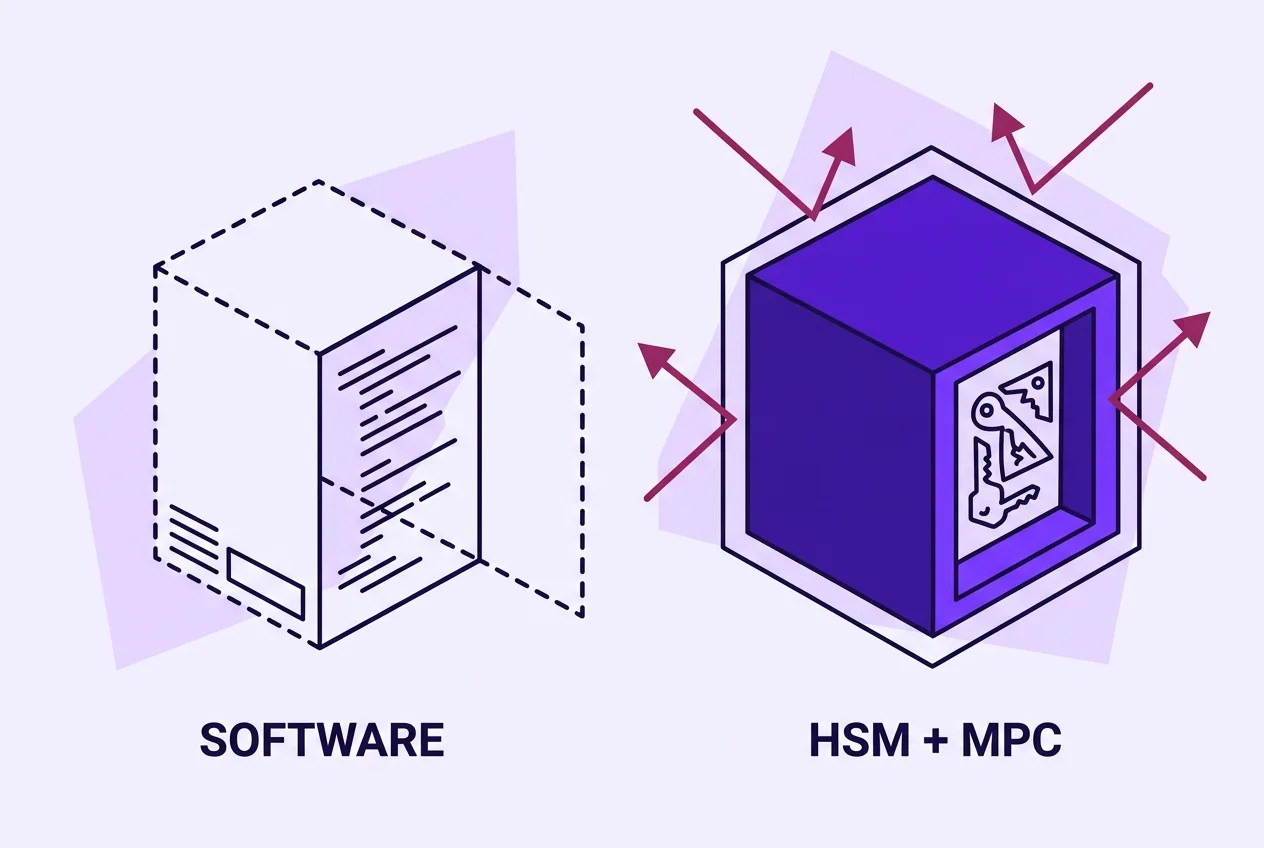
The new custody product runs the full signing protocol inside Thales HSMs. Blockstream’s Secure Multi-Party Computation and FROST threshold signatures operate within the hardware boundary, so key material and MPC shares never leave the protected environment during transaction signing. This approach differs from conventional MPC setups that may expose signing steps on general-purpose computers.
Air-gapped and offline workflows remain supported. Institutions receive policy controls, segregated accounts, multisig configurations, and cryptographic audit trails through the Blockstream Enterprise service. The collaboration builds on a two-year relationship between the two companies.
Blockstream President and COO Michael Minkevich stated that financial institutions require secure infrastructure before integrating Bitcoin at scale. Chief Product Officer Jeff Boortz noted that moving MPC execution inside HSMs reduces critical risks while maintaining practical signing capabilities. CEO Adam Back highlighted simpler offline storage methods and referenced past incidents such as the $6.3 billion Binance breach along with emerging AI-assisted attack vectors.
The solution entered beta testing with select clients in the third quarter of 2026 as part of the broader Blockstream Enterprise suite for custody and tokenization services. It was presented at the Digital Assets Forum in New York on the day of the announcement.
Institutional Demand Drives Focus on Reduced Attack Surface
Institutions increasingly seek custody arrangements that limit exposure to software-based threats. Conventional MPC implementations can leave intermediate values in memory on standard servers, creating opportunities for compromise during the signing process. By confining operations to certified HSM hardware, the Blockstream and Thales design shrinks that attack surface.
The product supports regulatory compliance needs through planned certifications such as FIPS and Common Criteria. Cryptographic audit trails provide verifiable records for internal controls and external audits. Segregated account structures allow clients to maintain clear separation of assets without sharing infrastructure.
Blockstream Enterprise already offers tokenization tools alongside custody. The addition of hardware-protected MPC signing strengthens the platform’s appeal for banks and brokers that must meet both operational security standards and emerging regulatory expectations around digital asset safekeeping.
Next Steps Center on Certifications and Workflow Testing
No specific customer names, pricing details, or HSM model numbers were disclosed at launch. Development priorities now include completion of formal security certifications, recruitment of reference clients, and integration testing within real institutional workflows. These steps will determine how quickly the solution moves from beta to wider availability.
Market participants will monitor whether the hardware-centric design achieves measurable reductions in operational incidents compared with existing MPC-only offerings. Continued collaboration between Blockstream and Thales may produce additional features for cross-border settlement or tokenized asset management once initial custody deployments stabilize.
Frequently asked questions
What makes the Blockstream Thales Bitcoin custody solution different from standard MPC setups?
The signing protocol executes entirely inside Thales HSMs, preventing key material and MPC shares from leaving the hardware boundary. This hardware-protected approach reduces exposure compared with conventional MPC that may run steps on general-purpose servers.
Which institutions is the new custody product designed for?
The solution targets custodial banks, prime brokers, and other professional entities that require segregated accounts, policy controls, and audit trails for Bitcoin holdings.
When did Blockstream and Thales begin their collaboration on this custody technology?
The companies have worked together for two years prior to the November 13, 2026 announcement, building on earlier joint development of secure signing methods.
What certifications are planned for the Blockstream Enterprise custody offering?
Blockstream intends to pursue FIPS and Common Criteria certifications to meet institutional and regulatory requirements for hardware security modules.
Comments
No comments yet. Be the first!