News Stablecoins
BlackRock tokenized MMF partnership explored in MOU with SBI Holdings and Startale for JPYSC yen stablecoin
Key points
SBI Holdings and Startale signed a non-binding MOU with BlackRock entities on October 27, 2026, to study connections between tokenized money market funds and the JPYSC yen stablecoin.
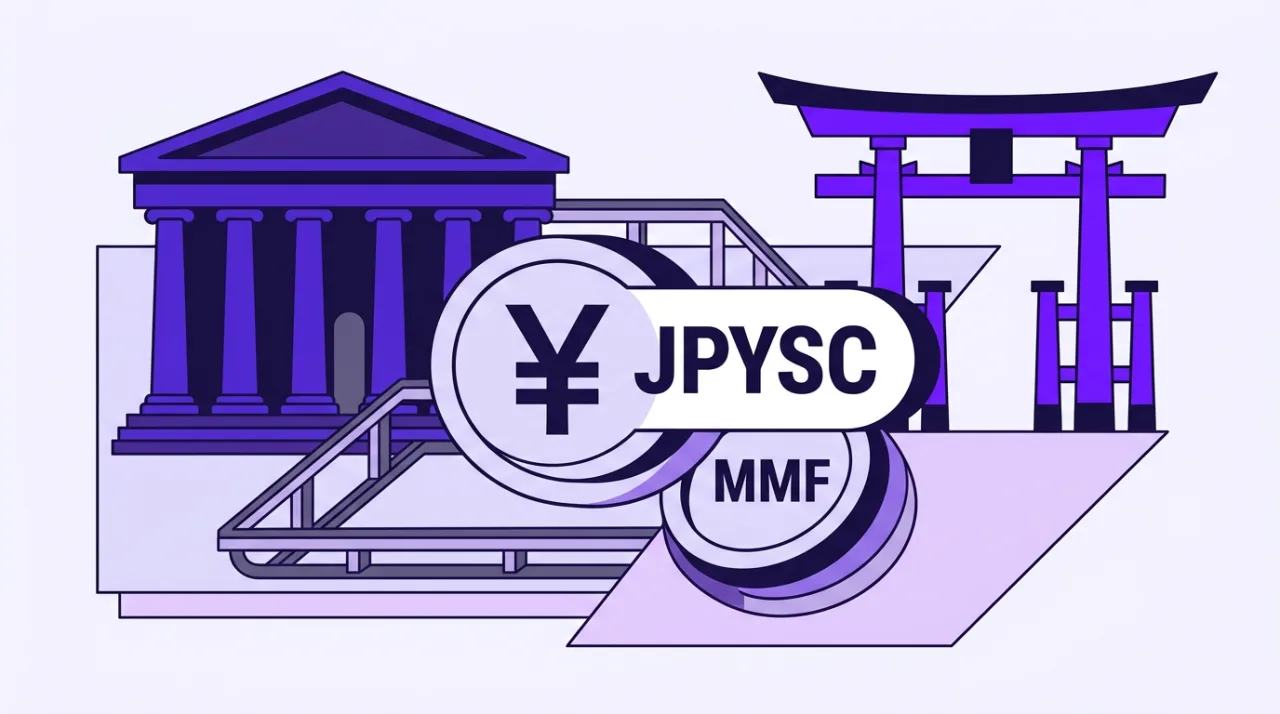
SBI Holdings, Inc. and Startale Group Pte. Ltd. signed a non-binding memorandum of understanding with BlackRock Financial Management, Inc. and BlackRock Japan Co., Ltd. on October 27, 2026. The agreement sets out an exploratory framework to examine how tokenized money market funds could connect with the yen-denominated stablecoin JPYSC.
Scope of the BlackRock tokenized MMF collaboration
The MOU identifies three work streams. The first covers technology and infrastructure requirements needed to connect tokenized funds with stablecoin rails. The second addresses business models and distribution channels that could use the partners’ existing networks. The third examines regulatory considerations and steps toward broader market development in Japan.
No specific tokenized MMF product, blockchain platform, integration timeline or commercial launch date has been confirmed. The agreement remains open to participation by additional financial institutions in Japan and overseas. BlackRock’s existing BUIDL tokenized fund, launched in 2024, currently manages approximately $2.17 billion in U.S. Treasuries, overnight repos and cash equivalents.
JPYSC, issued by SBI Shinsei Trust Bank and distributed by SBI VC Trade, reached a circulating supply of roughly 20.7 billion tokens, equivalent to about $131.5 million, as of October 26, 2026. The stablecoin holds reserves that include bank deposits and short-term Japanese government bonds, with ¥1 billion already allocated to JGBs by September 2026.
Regulatory and market context for tokenized funds Japan
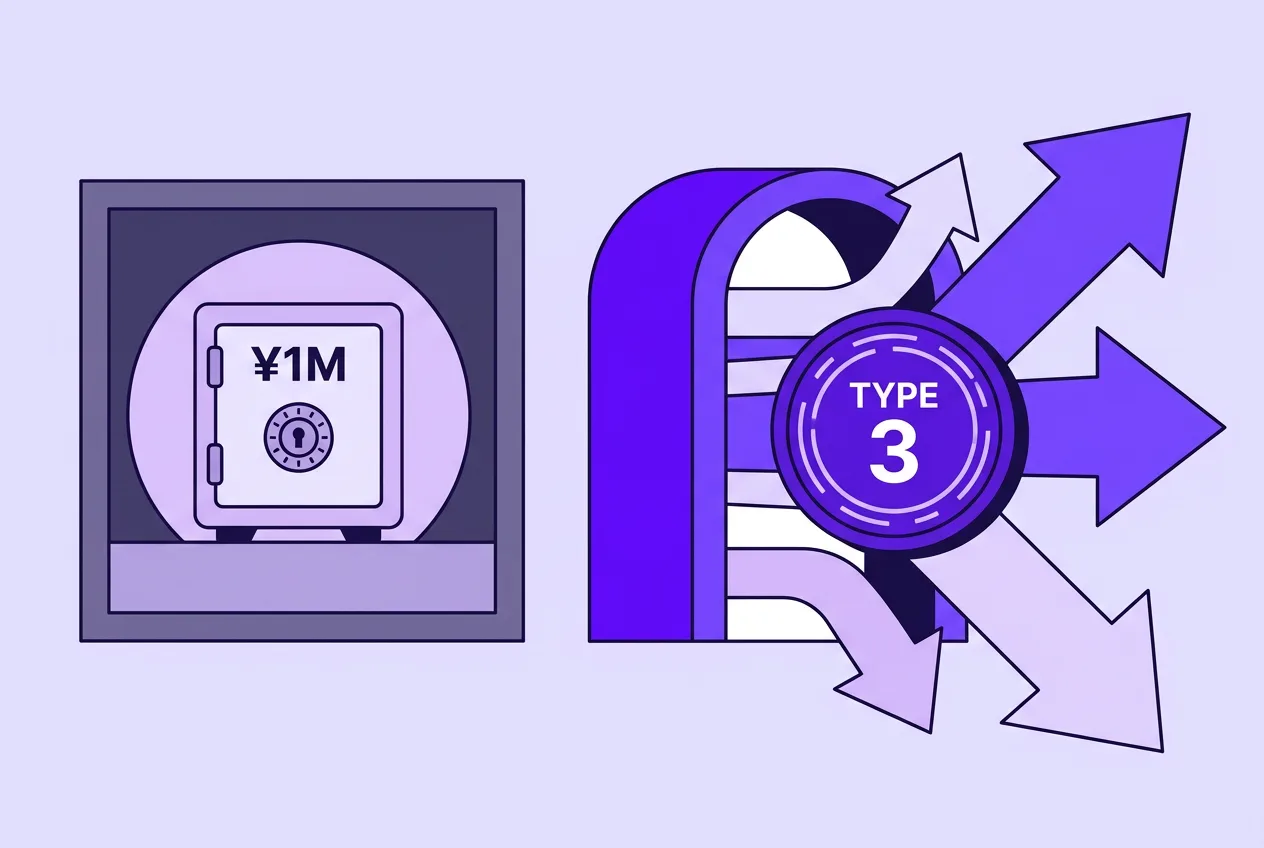
The initiative builds on Japan’s amended Payment Services Act, which established a framework for yen-denominated stablecoins. JPYSC operates as a Type 3 Electronic Payment Instrument, removing the ¥1 million holding limit that applies to other categories. Earlier proof-of-concept projects in Japan have demonstrated near-instant settlement and on-chain dividend distribution using similar infrastructure.
Representatives from the three groups noted the irreversible movement toward onchain finance and expressed interest in applying global tokenization experience to Japanese markets. The work will now focus on technical mapping, business case assessments and regulatory engagement with relevant authorities.
Market participants will monitor whether the exploratory effort produces concrete integration proposals or attracts additional institutional participants. The absence of fixed timelines means any operational outcomes remain subject to further technical and regulatory validation.
Frequently asked questions
What does the MOU between BlackRock, SBI and Startale cover?
The non-binding agreement outlines three areas of exploration: technical connectivity between tokenized MMFs and JPYSC, potential distribution models, and regulatory and ecosystem considerations. No commercial product or timeline has been set.
What is the current status of JPYSC reserves and supply?
As of October 26, 2026, JPYSC had approximately 20.7 billion tokens in circulation. Reserves include deposits and short-term JGBs, with ¥1 billion already invested in Japanese government bonds by September 2026.
How does Japan’s stablecoin framework support this type of project?
The amended Payment Services Act allows trust-bank-issued yen stablecoins to operate without the ¥1 million limit applied to other categories. JPYSC is classified as a Type 3 Electronic Payment Instrument under this regime.
Will the MOU result in a new tokenized MMF product?
No specific product, blockchain or launch date has been announced. The agreement is exploratory and open to additional participants, with outcomes dependent on further technical and regulatory work.
Comments 1