News Regulation
Hong Kong CARF Bill Passes Legislative Council for 2027 Implementation
Key points
Hong Kong’s Legislative Council approved the Inland Revenue Amendment Bill on 4 November 2026 to implement the OECD Crypto-Asset Reporting Framework from 2027.
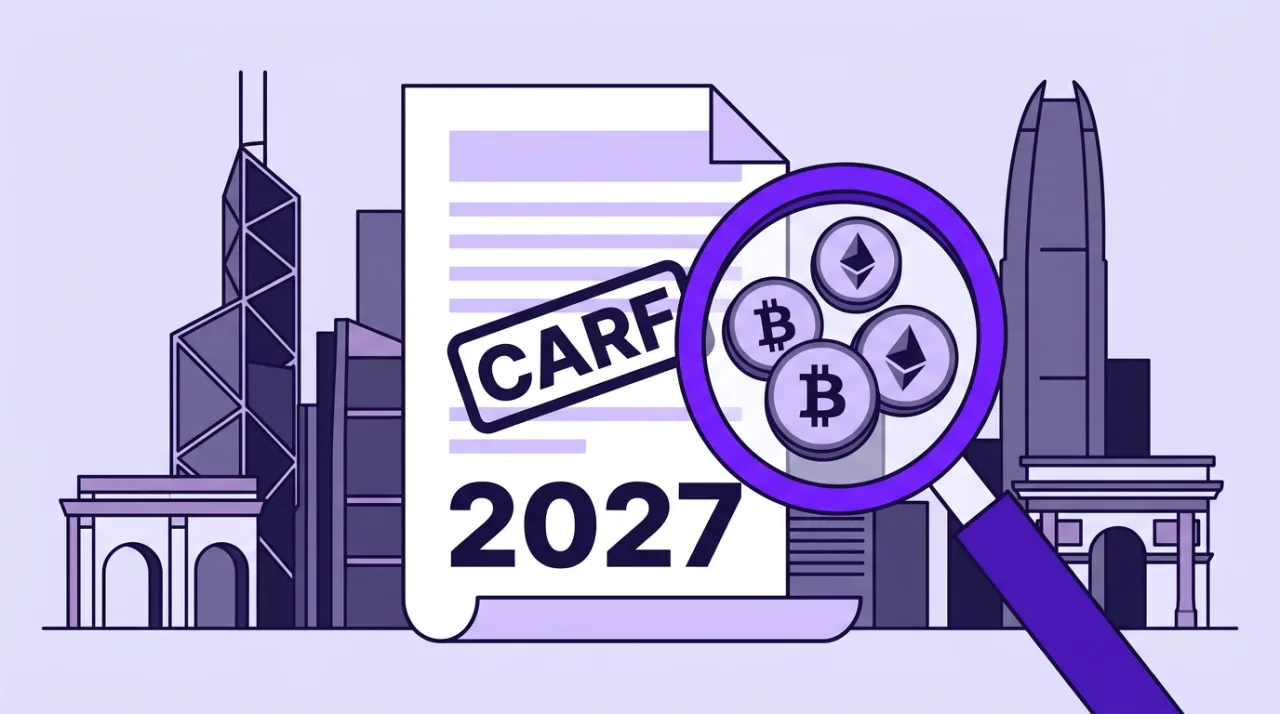
On 4 November 2026 the Legislative Council passed the Inland Revenue (Amendment) (Crypto-Asset Reporting Framework and Amended Common Reporting Standard) Bill 2026. The measure introduces the OECD Crypto-Asset Reporting Framework into Hong Kong law and updates the Common Reporting Standard to improve automatic exchange of tax information.
Hong Kong CARF Bill Reporting Requirements and Timeline
Reporting crypto-asset service providers that meet Hong Kong nexus rules must register with the Inland Revenue Department, conduct due diligence on users, and submit annual reports. Covered assets include digital representations of value that rely on cryptographically secured distributed ledger technology, excluding central bank digital currencies and certain electronic money products.
The first reporting period begins on 1 January 2027. Service providers will transmit data for calendar year 2027, with the first automatic exchanges with partner jurisdictions scheduled for 2028. Amended Common Reporting Standard provisions start on 1 January 2028, with initial exchanges expected in 2029.
Providers must retain records for six years and may appoint service providers to fulfil obligations. The Inland Revenue Department will issue detailed guidance, maintain a dedicated support team, and launch a dedicated CARF Portal for registration and submissions. Exchanges occur only on a reciprocal basis with safeguards for data confidentiality.
Obligations for Crypto Exchanges and Service Providers
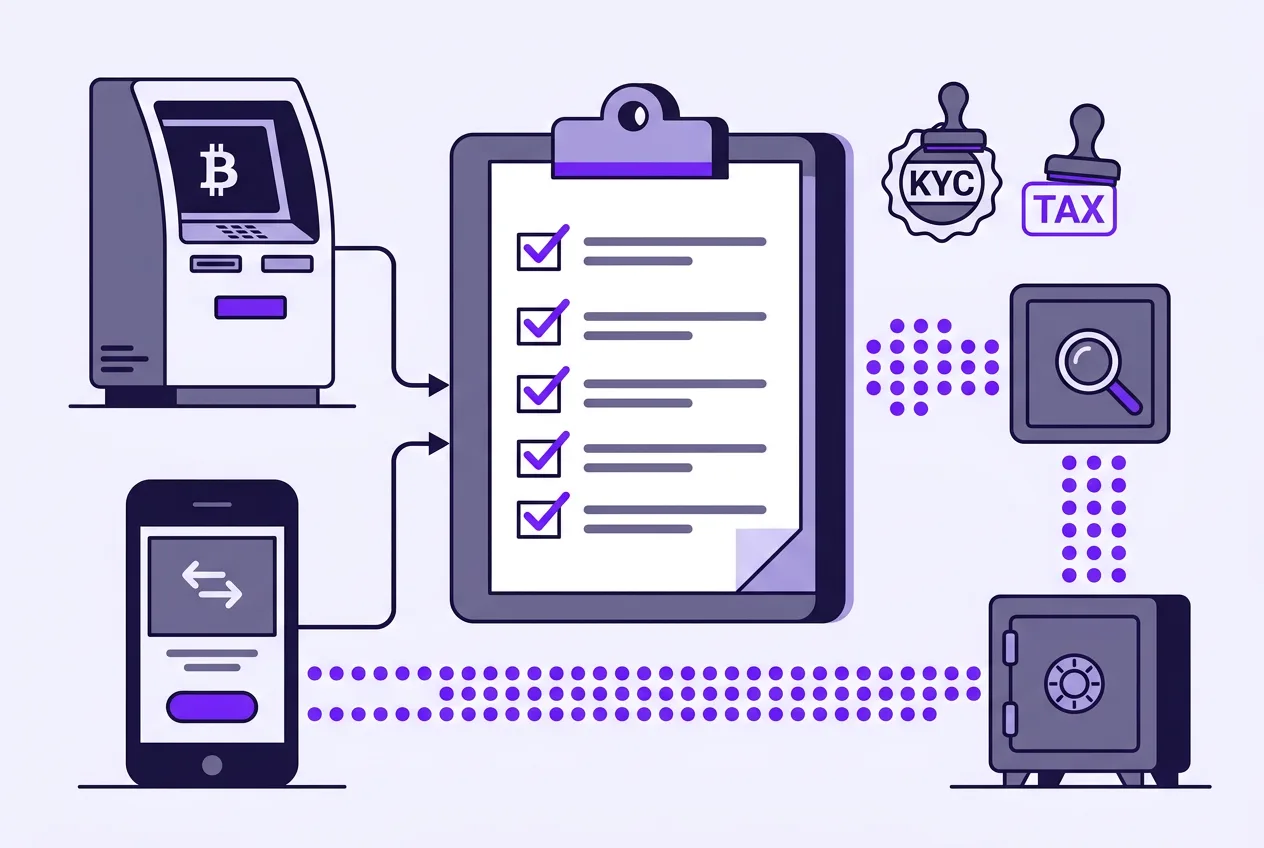
Entities required to report include exchanges, brokers, dealers and operators of crypto ATMs that are tax resident in Hong Kong, incorporated under Hong Kong law, managed from Hong Kong or maintain a regular place of business there. Reportable transactions cover exchanges between crypto assets and fiat currency, crypto-to-crypto trades, and transfers to external wallets.
Secretary for Financial Services and the Treasury Christopher Hui noted that alignment with international standards supports Hong Kong’s position as an international financial centre. The bill was gazetted on 22 May 2026, received its first reading on 3 June 2026, and the resulting ordinance is expected around 13 November 2026.
The framework applies to providers that facilitate the exchange or transfer of reportable crypto assets. The Inland Revenue Department will verify compliance through registration records and periodic reviews of submitted data.
Context for Global Tax Information Exchange
The legislation implements the Crypto-Asset Reporting Framework published by the OECD in 2023 and corresponding updates to the Common Reporting Standard. Hong Kong joins other jurisdictions that have adopted or are preparing similar rules to reduce cross-border tax evasion involving digital assets.
Automatic exchanges will occur with jurisdictions that have concluded competent authority agreements with Hong Kong. Data security protocols follow existing standards already used for financial account information under the Common Reporting Standard. Service providers should review their current customer onboarding and transaction monitoring systems ahead of the 2027 start date.
Frequently asked questions
When does the Hong Kong CARF bill take effect?
The CARF provisions apply from 1 January 2027. The first annual reports cover the 2027 calendar year and exchanges with partner jurisdictions begin in 2028.
Which entities must register under the Hong Kong CARF bill?
Crypto-asset service providers that meet Hong Kong nexus criteria, such as tax residence, incorporation under Hong Kong law or management from Hong Kong, must register with the Inland Revenue Department.
What transactions are reportable under the Hong Kong CARF bill?
Reportable transactions include exchanges of crypto assets for fiat, crypto-to-crypto trades and transfers to external wallets. Central bank digital currencies and specified electronic money products are excluded.
How will data be exchanged under the new framework?
Exchanges occur on a reciprocal basis with jurisdictions that have competent authority agreements. The Inland Revenue Department will develop a secure CARF Portal for submissions.
Comments
No comments yet. Be the first!