News Bank Of Russia
Bank of Russia Crypto Regulation Opens Bitcoin Ether USDT to Non-Qualified Investors
Key points
The Bank of Russia approved Bitcoin, Ether and USDT for limited purchases by non-qualified investors starting November 17, 2026, through licensed intermediaries only.
Details of the Bank of Russia Crypto Regulation
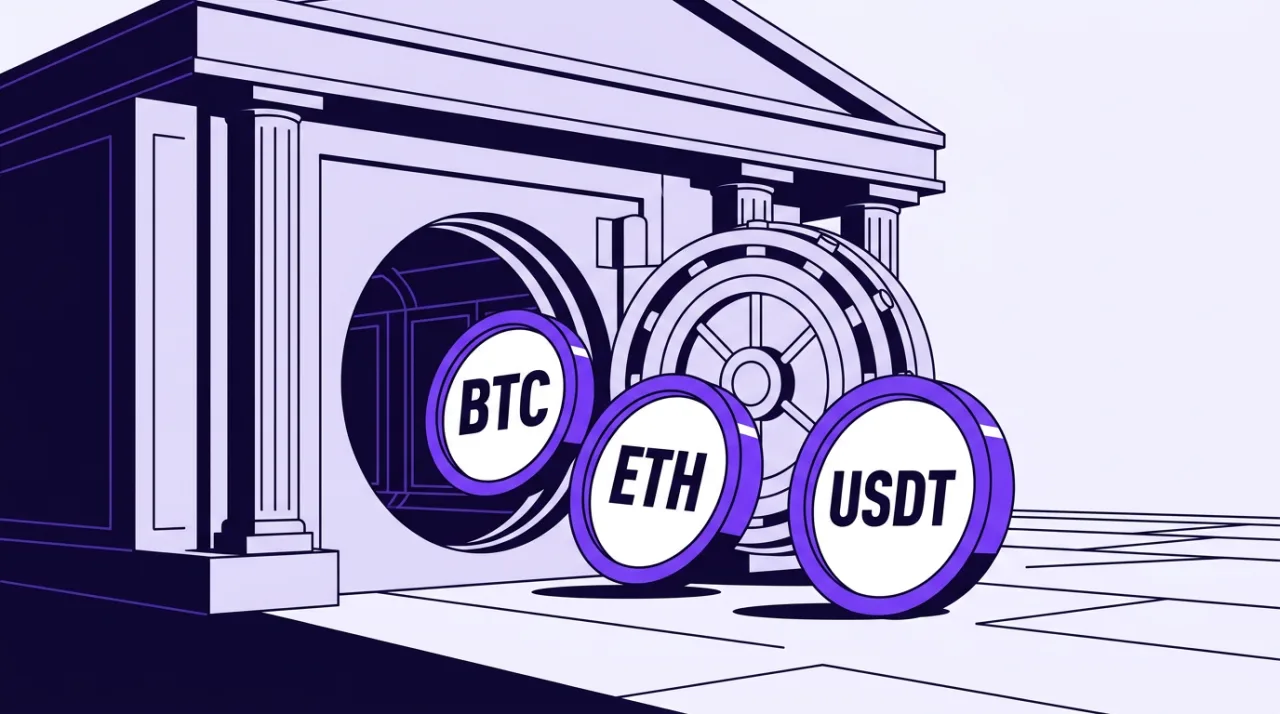
On November 6, 2026, the Bank of Russia issued an ordinance that lists Bitcoin, Ether and Tether’s USDT as the sole cryptocurrencies permitted for purchase by non-qualified investors. The measure takes effect on November 17, 2026, allowing licensed exchanges to add these three assets to public trading platforms from that date.
Non-qualified investors must conduct all purchases through licensed brokers, trust managers or crypto exchange offices. Each intermediary applies a separate annual limit of 300,000 rubles, equivalent to roughly 3,650–3,700 dollars at current exchange rates. The cap resets each calendar year and does not aggregate across intermediaries.
All investors, qualified or not, are required to complete a knowledge test and sign a risk acknowledgment before any transaction. Qualified investors face no purchase limits and may trade any digital asset that meets statutory standards.
Background on Russia Crypto Framework
The new ordinance stems from Federal Law No. 282-FZ, signed in August 2026 with core provisions effective from September 1, 2026. The law established a regulated infrastructure for digital currencies and digital rights while preserving the existing prohibition on using crypto for domestic payments inside Russia.
The Bank of Russia selected only Bitcoin, Ether and USDT because they are the most liquid assets that satisfy statutory criteria on market capitalization, average daily trading volume and at least five years of pricing history on foreign exchanges. No other cryptocurrencies are included at this stage, and expansion of the list is not expected immediately.
The framework applies uniformly across organized exchanges and over-the-counter markets, provided transactions route through licensed intermediaries. Moscow Exchange has announced plans to begin organized trading in the three assets on December 1, 2026, initially through pilot programs using same-day or next-day settlement and swaps.
Market Implications and Next Steps
Sberbank, Russia’s largest bank, has received approvals to act as both a digital depository and a crypto exchange operator. The bank intends to offer Bitcoin, Ether and USDT services through its existing mobile applications beginning December 1, 2026, subject to final technical readiness.
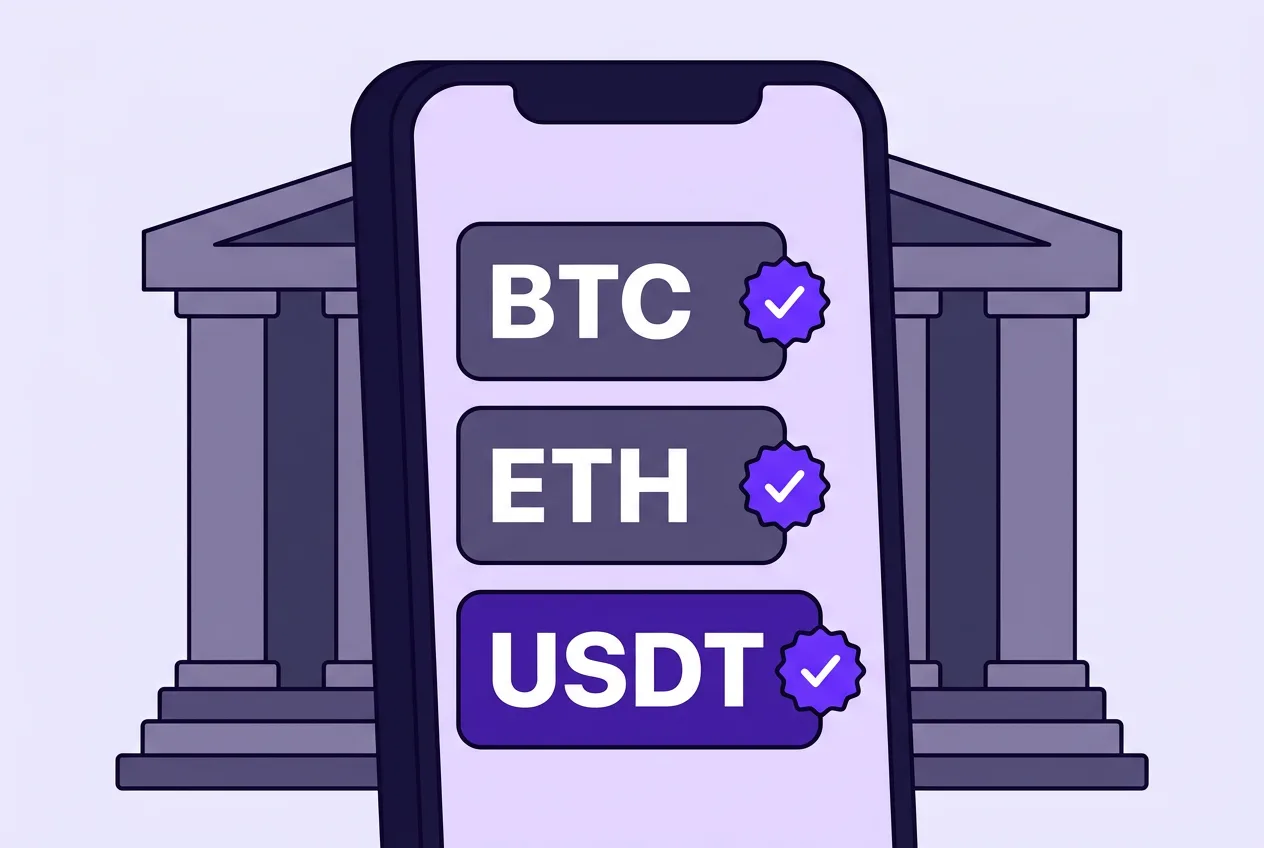
Market participants note that the intermediary-specific cap structure allows non-qualified investors to spread purchases across multiple providers if they wish, while the knowledge-test requirement adds a uniform gate for all participants. Exchanges and brokers are now preparing compliance procedures ahead of the November 17 effective date.
Regulators have stated that the limited asset list is designed to reduce exposure for retail participants until further infrastructure and oversight mechanisms are tested in practice. Licensed platforms will publish updated trading rules and risk disclosures in the coming days.
Frequently asked questions
Which cryptocurrencies can non-qualified investors buy under the new Bank of Russia rules?
Only Bitcoin, Ether and USDT are approved. The Bank of Russia selected these three assets for their liquidity and compliance with statutory criteria on market data and trading history.
What purchase limits apply to non-qualified investors?
Each licensed intermediary may allow up to 300,000 rubles per calendar year. The limit is specific to each broker or exchange office and resets annually.
When does trading in the approved assets begin?
Exchanges may admit Bitcoin, Ether and USDT to public trading from November 17, 2026. Moscow Exchange plans to start organized trading on December 1, 2026.
Do investors need to pass any test before buying crypto?
Yes. All investors must complete a knowledge test and acknowledge the investment risks before executing any transaction, regardless of qualification status.
Comments
No comments yet. Be the first!