News Regulation
FinCEN MEXC Order Bars MEXC Global From U.S. Financial System
Key points
FinCEN issued a Section 9714 order on November 6, 2026, that prohibits U.S. financial institutions from transmitting funds to or from MEXC Global over alleged involvement in $16 billion of illicit activity.
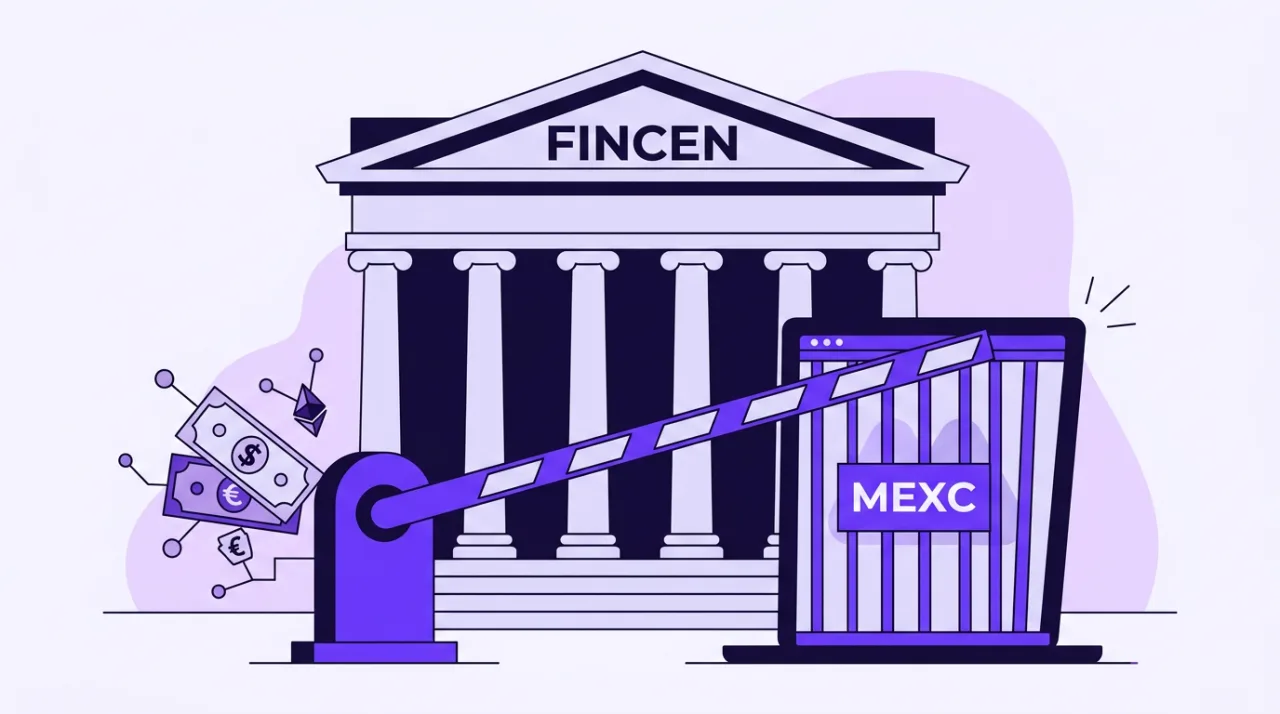
FinCEN issued a final order under Section 9714 on November 6, 2026, designating MEXC Global a foreign financial institution of primary money laundering concern. The order bars U.S. covered financial institutions from transmitting any funds, including convertible virtual currency, to or from the Seychelles-based exchange and its non-U.S. affiliates.
Provisions and Scope of the Section 9714 Action
The order takes effect 30 days after publication in the Federal Register. It applies to banks, broker-dealers, money transmitters and other Bank Secrecy Act entities. Violations carry civil and criminal penalties. The measure does not alter existing suspicious activity reporting obligations or replace OFAC sanctions programs.
Section 9714 authority, part of the Combating Russian Money Laundering Act, allows FinCEN to restrict access to the U.S. financial system when a foreign institution poses a primary money laundering risk. This action forms part of Treasury’s broader Operation Economic Outcast campaign targeting sanctions evasion networks.
U.S. institutions must implement controls to prevent any transmittals once the order becomes effective. The order leaves open the possibility for MEXC Global to request exemptions or modifications through formal channels.
Volume and Categories of Alleged Illicit Flows
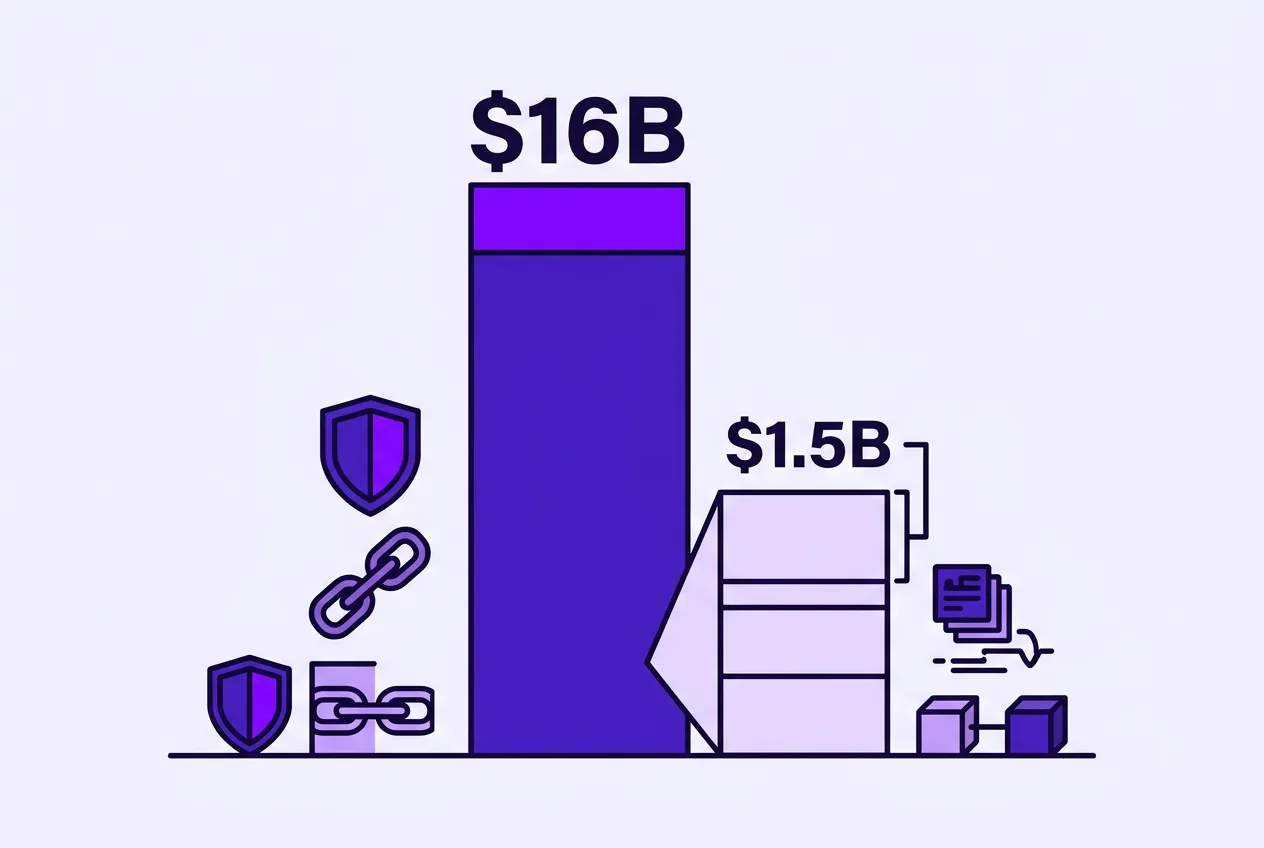
FinCEN assessed that MEXC Global processed at least $16 billion in transactions tied to sanctions evasion, cybercrime and other illicit activity between May 2021 and May 2026. Nearly $1.5 billion of that volume involved Russian sanctions evasion, including $232 million in direct dealings with U.S., EU and UK-sanctioned entities.
Additional flows included roughly $1 billion in transactions with more than 40 Iranian convertible virtual currency exchangers and $22 million connected to the Central Bank of Iran and IRGC-linked entities. Approximately $1.99 billion was linked to illicit cyber actors, with further activity involving North Korean facilitators and darknet markets. The exchange continued dealings with sanctioned Russian platforms Garantex and Grinex as recently as June 2026.
MEXC Global ranked among the top 20 convertible virtual currency exchangers worldwide as of September 2026, handling over $1 billion in daily volume and maintaining approximately $5 billion in reserves. Despite internal policies prohibiting users from sanctioned jurisdictions, FinCEN identified severe deficiencies in AML controls.
Exchange Response and Implementation Timeline
MEXC Global stated it is reviewing the order with legal and compliance teams. The company confirmed that operations continue normally and user assets remain secure. It has begun an independent review of its AML and sanctions controls and plans to engage with FinCEN and other regulators.
The 30-day clock begins upon Federal Register publication, which remained pending as of November 8, 2026. U.S. financial institutions must prepare transaction monitoring and blocking procedures ahead of the effective date. Further enforcement actions or coordinated steps by OFAC remain possible.
Frequently asked questions
What does the FinCEN MEXC order prohibit?
The order bars U.S. banks, broker-dealers and money transmitters from sending or receiving any funds, including convertible virtual currency, to or from MEXC Global once it takes effect.
When does the Section 9714 order become effective?
The order takes effect 30 days after publication in the Federal Register. Publication was still pending on November 8, 2026.
Does the order affect current MEXC users outside the United States?
The order restricts only U.S. covered financial institutions. MEXC Global stated operations continue and user assets remain secure while it reviews the order.
How does this action differ from an OFAC SDN designation?
Section 9714 restricts access to the U.S. financial system for specific institutions but does not impose the broader asset-blocking and secondary sanctions that accompany OFAC SDN listings.
Comments 2