News Ethereum
Ethereum Glamsterdam Hoodi Testnet Postponed Over Gas Accounting Risks
Key points
Ethereum developers postponed the Glamsterdam upgrade on the Hoodi testnet on October 22, 2026, after identifying risks in gas accounting changes under EIP-8037.
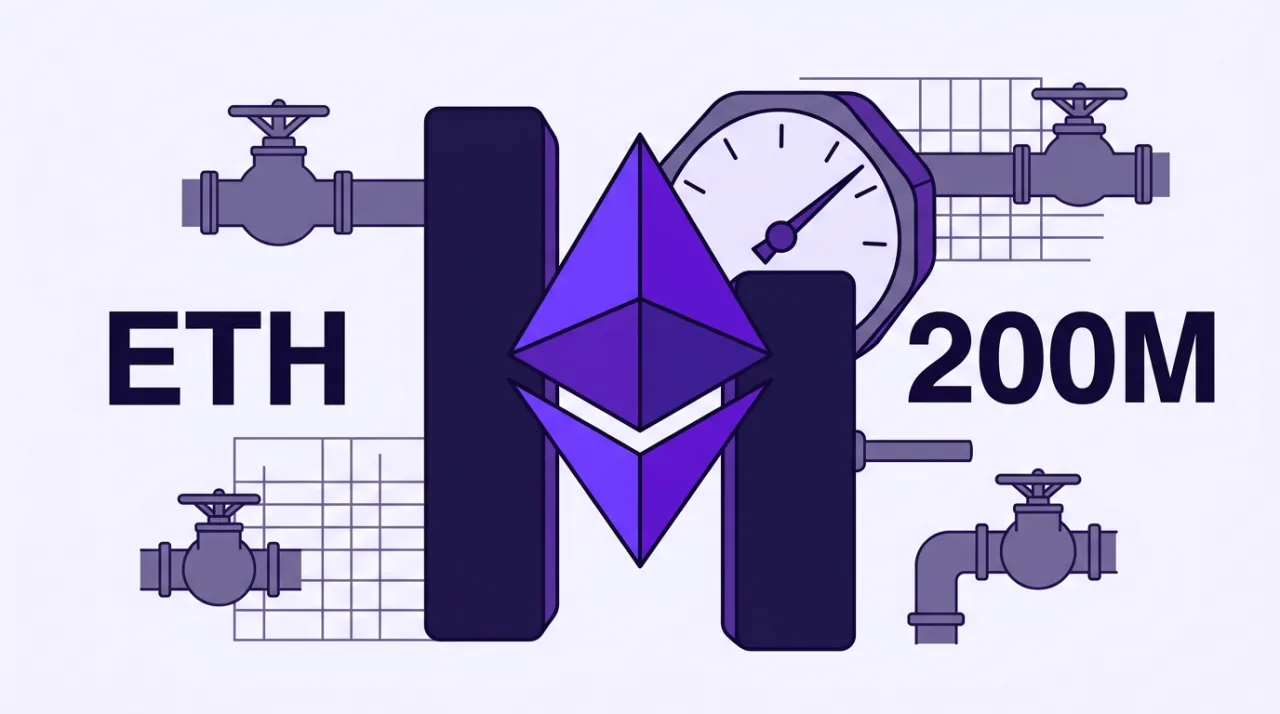
Ethereum developers postponed the Glamsterdam upgrade on the Hoodi testnet following a decision at All Core Developers Execution (ACDE) call #248 on October 22, 2026. The original activation was scheduled for October 26 at epoch 132,352. No replacement date was announced.
Details of the Glamsterdam Hoodi Delay
The postponement removes the Amsterdam execution-layer activation, the Gloas consensus-layer activation, and the planned increase of the Hoodi gas limit to 200 million. Node operators received instructions to update clients including Lodestar v1.50.1 and Besu 26.10.1 before October 26 to clear the old schedule. The Hoodi chain configuration itself was rolled back without any history revert.
ChainSecurity analysis dated October 13 flagged potential interactions between EIP-8037 multidimensional gas metering and existing mainnet contracts. The changes could convert retryable failures into permanent failures through altered state-gas reservoir behavior affecting gasleft() values. Thirteen real-world contract examples were identified under responsible disclosure, prompting further investigation before any testnet fork proceeds.
Client teams have already begun publishing updated release binaries that remove the scheduled fork parameters. Validators and infrastructure providers are advised to apply these updates promptly to avoid desynchronization on the testnet.
Background on Glamsterdam and EIP-8037
Glamsterdam combines the Amsterdam execution-layer changes with the Gloas consensus-layer upgrade. It includes EIP-7732 execution payload separation, block-level access lists, and gas repricing measures intended to support higher block gas limits while limiting state growth. The upgrade had already activated on the Sepolia testnet on October 6, 2026, with blocks at the 200 million gas target.
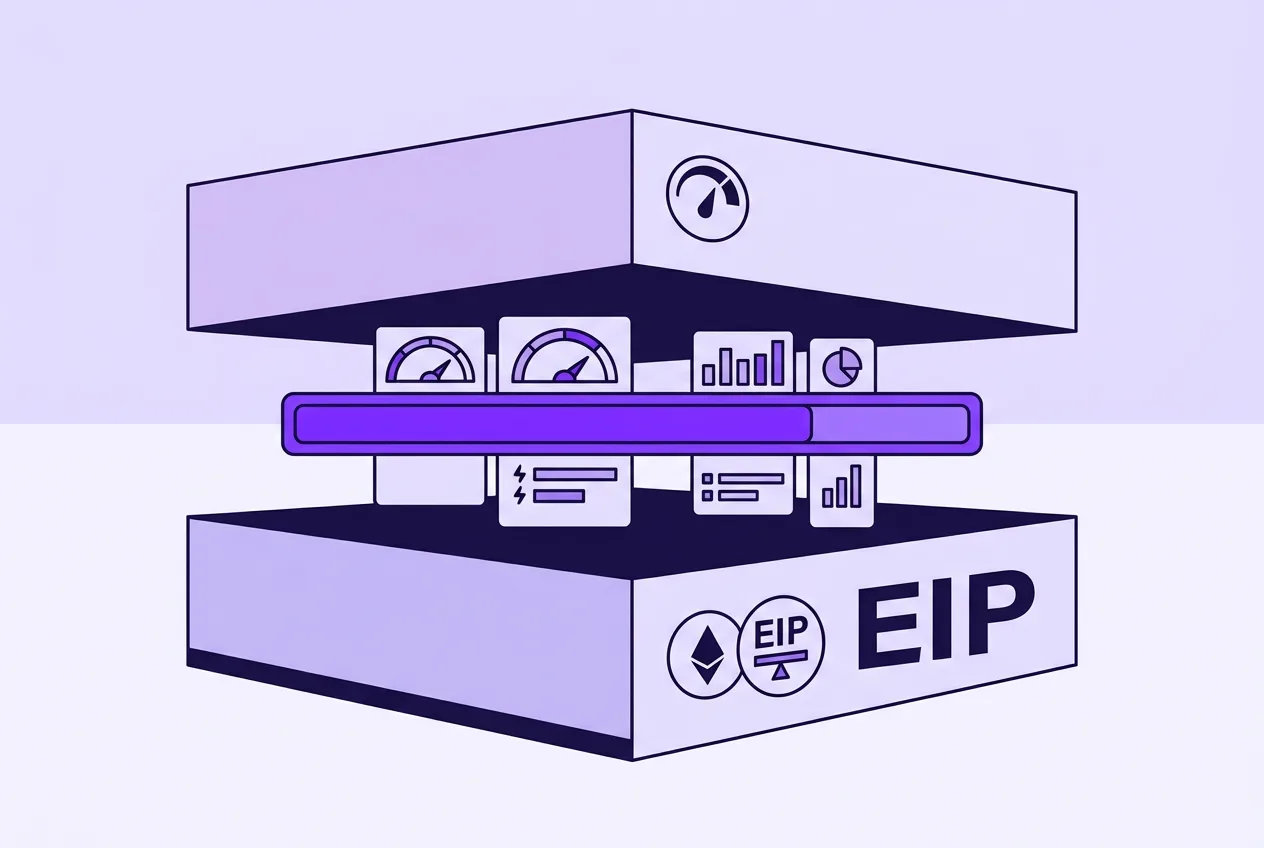
EIP-8037 introduces state-creation gas cost increases through a multidimensional metering and reservoir model. The proposal aims to better price state usage and reduce long-term growth pressure on the Ethereum state. Earlier discussions had targeted a mainnet rollout in the fourth quarter of 2026, though no firm date had been confirmed.
The Hoodi testnet was selected to validate these gas-limit and accounting adjustments at scale before any mainnet consideration. The current delay allows additional review of failure-handling logic across deployed contracts without affecting live mainnet operations or ETH holders.
Next Steps After the Testnet Postponement
Revised Hoodi activation timelines and any implications for mainnet planning will be communicated after the current review period. Developers noted that further data collection and contract testing are required before rescheduling.
Market participants tracking Ethereum infrastructure upgrades can monitor the Ethereum Foundation blog and ACDE meeting notes for updates. No changes to mainnet client behavior or gas parameters are required at this stage.
The episode illustrates the iterative testing process used for gas-related proposals, where empirical findings from testnets directly influence final specifications. Additional analysis results are expected in the coming weeks.
Frequently asked questions
Why was the Glamsterdam activation removed from the Hoodi schedule?
Developers identified risks that EIP-8037 gas changes could alter failure handling in certain smart contracts, turning retryable errors into permanent ones. Additional review was required before proceeding.
Does the postponement affect Ethereum mainnet users?
No mainnet parameters or client behavior change as a result of the Hoodi delay. The upgrade remains in testing phase with no impact on live ETH balances or transactions.
What client updates are required after the decision?
Operators must install updated releases such as Lodestar v1.50.1 and Besu 26.10.1 before October 26 to remove the old fork schedule from Hoodi nodes.
When will a new Hoodi activation date be announced?
No timeline has been set. Revised plans will follow completion of the current security review of EIP-8037 interactions with deployed contracts.
Comments 2