News CBDC
Sweden e-krona Discussions Revived by Riksbank Over Stablecoin and Digital Euro Risks
Key points
Sweden’s central bank has asked lawmakers to begin preparations for a digital krona after payments-market changes made the project relevant again.
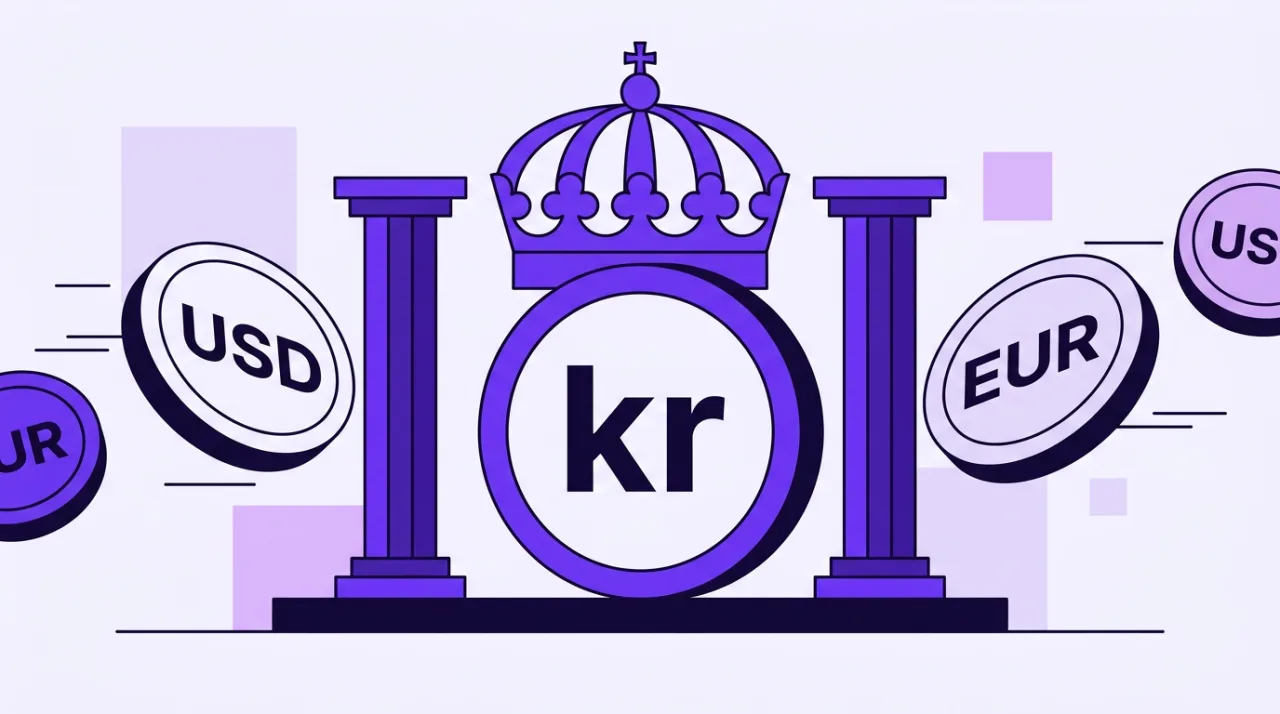
On 15 October 2026 the Riksbank sent an official communication to the Riksdag’s Committee on Finance that returned the digital krona—previously termed the e-krona—to active policy consideration. The bank has taken no decision on issuance and states that any launch would require parliamentary approval under the Sveriges Riksbank Act.
The letter, dated 7 October, cites rapid growth in foreign-currency stablecoins, the European Central Bank’s digital euro timetable, and the need for payment-system resilience as reasons to reopen the file. Riksbank surveys show cash now accounts for only five percent of the most recent purchases made by Swedes.
Sweden e-krona revival driven by stablecoin and digital euro developments
Stablecoins pegged to the US dollar pose a direct risk to krona demand and to the transmission of Swedish monetary policy, the Riksbank states. In a cash-light economy, widespread adoption of non-krona instruments could reduce the central bank’s ability to influence interest rates and liquidity conditions. The communication therefore recommends that legislators start a public inquiry without delay so that any future decision can rest on updated legal and technical foundations.
The ECB has scheduled a 12-month internal pilot of the digital euro for the second half of 2027, provided EU legislation is adopted by the end of 2026. First issuance could follow in 2029. Swedish officials note that coordination with this timeline would allow Sweden to examine shared infrastructure options if a domestic project proceeds. At least five years of technical work and market integration would still be required after legislation, placing any possible launch in the early 2030s.
A 2023 government Payments Inquiry had concluded there was insufficient societal need at that time. The Riksbank now argues that circumstances have changed materially because of stablecoin growth and the digital euro project. No new technical pilot has been announced; the focus remains on legislative readiness and continued monitoring of international CBDC work.
Context and next steps for Riksbank CBDC planning
The Riksbank ran a technical e-krona pilot between 2020 and 2023 that examined distributed-ledger and conventional payment rails. Since then the bank has tracked foreign CBDC initiatives, especially the digital euro, while maintaining that any Swedish issuance must preserve financial stability and monetary sovereignty. The October communication stresses that resilience against cyber incidents, power failures and geopolitical shocks remains a core objective.
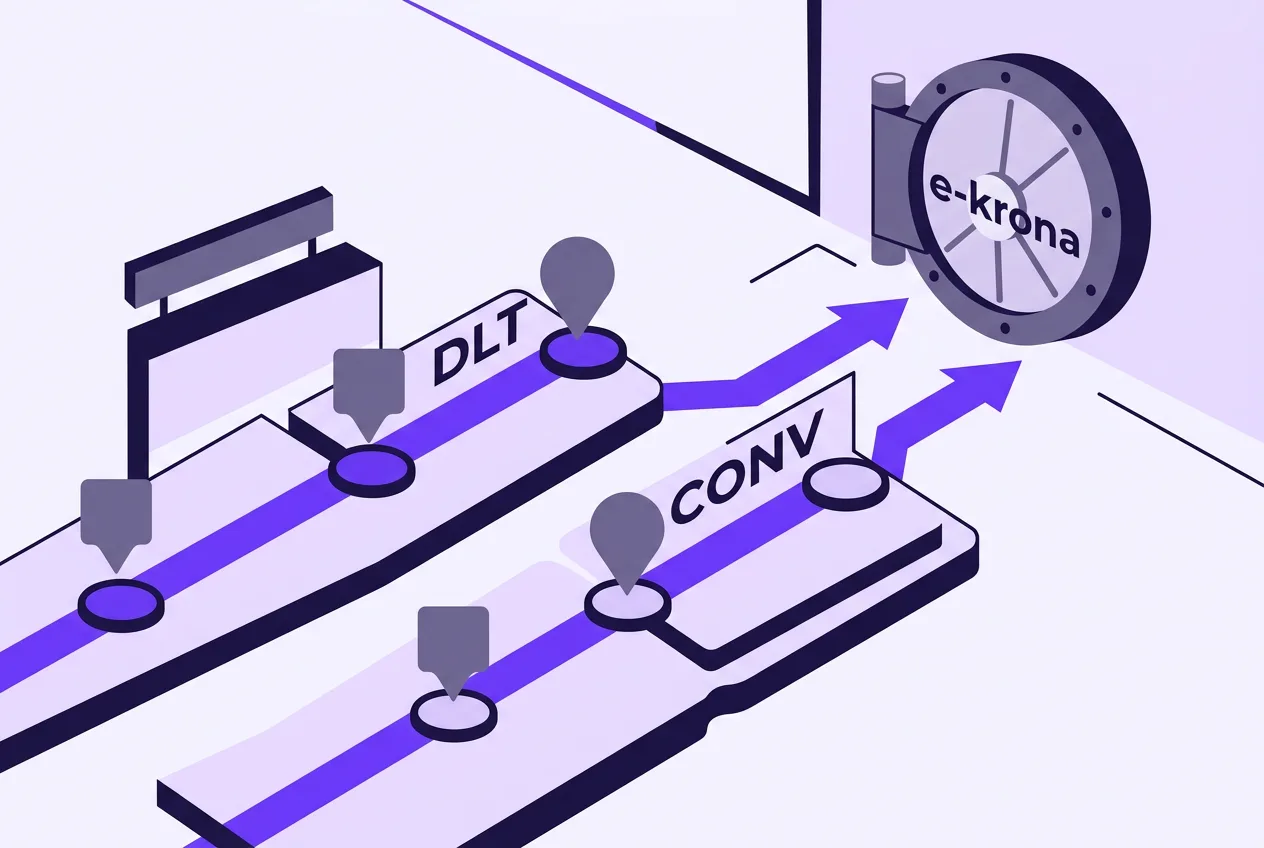
Political reconsideration now rests with the Riksdag. Should lawmakers authorise preparatory work, the process would include new statutes, infrastructure procurement, cooperation agreements with banks and payment-service providers, and possible technical alignment with ECB systems. The Riksbank has emphasised that these steps are preparatory only and do not prejudge an issuance decision.
Market participants are watching for any signals that Swedish authorities intend to mirror or complement the digital euro with a domestic instrument. Until the Riksdag acts, the Riksbank will continue to publish updates on payment-market trends that affect the case for a central bank digital currency Sweden.
Frequently asked questions
What prompted the Riksbank to revive Sweden e-krona discussions?
The October 2026 communication cites growth in USD-pegged stablecoins, the ECB digital euro timeline, and payment-system resilience needs in a society where cash use has fallen to five percent of transactions.
Has the Riksbank decided to issue a digital krona?
No. The bank states it has taken no position on issuance and that any decision requires Riksdag consent under existing law.
How long would it take to launch a Sweden e-krona if approved?
Legislative work plus at least five years of technical development and market integration would be needed, pointing to a possible early-2030s launch at the earliest.
How does the digital euro affect Swedish planning?
The ECB pilot is scheduled for the second half of 2027 with potential issuance in 2029. Swedish authorities are monitoring options for infrastructure alignment if a domestic project advances.
Comments
No comments yet. Be the first!