News DeFi
Uniswap v4 Aggregator Hooks Integrate External Liquidity Sources on Ethereum Base and Robinhood Chain
Key points
Uniswap Labs activated aggregator hooks for v4 on October 22, allowing the protocol to pull quotes from external DEXs while treating them as native pools.
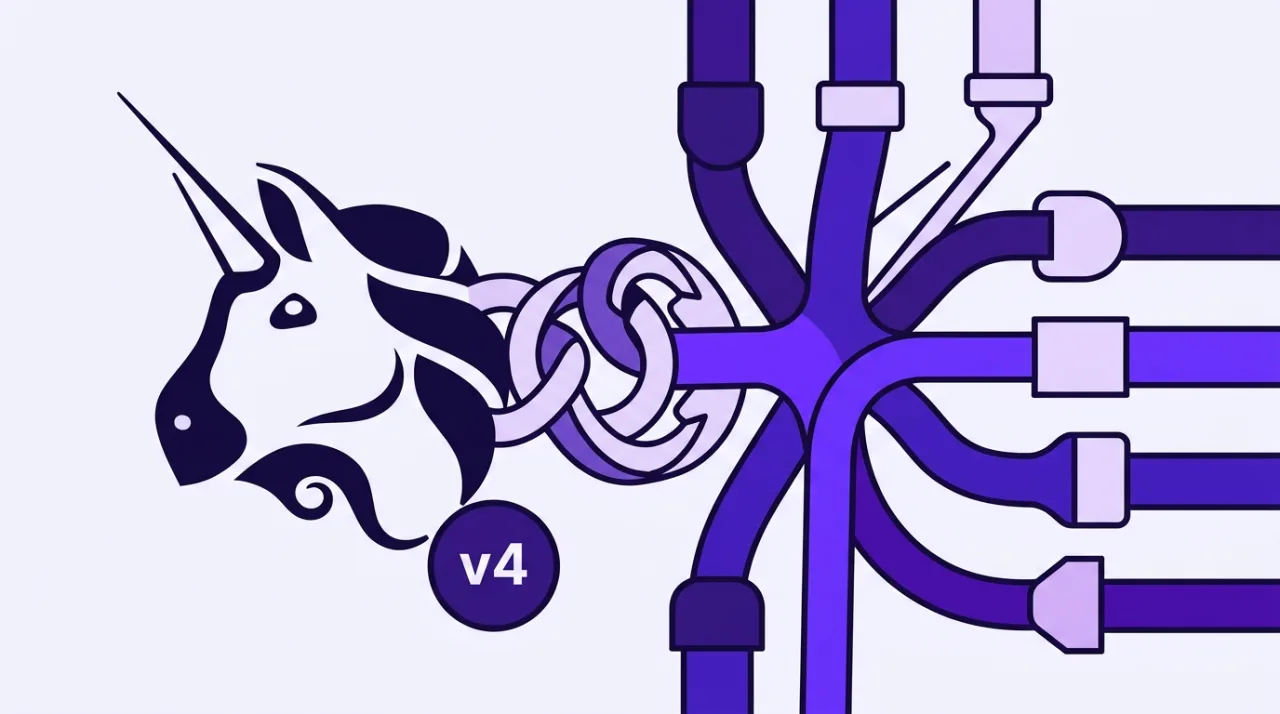
Uniswap Labs activated aggregator hooks for Uniswap v4 on October 22, 2026. The update lets the decentralized exchange function as a liquidity aggregator on Ethereum mainnet, Base, and Robinhood Chain by wrapping external venues as v4 pools.
Uniswap v4 Aggregator Hooks Pull Quotes From Seven External Sources
The feature appears in the Uniswap Web App and API. At launch it connects seven liquidity venues that together account for more than 90 percent of DEX volume on the three chains. Supported sources include Fluid, Curve, PancakeSwap V3, Slipstream, and several Uniswap V2 and V3 forks.
Routers treat these external pools identically to native Uniswap v4 pools. The system refreshes prices every block and executes mixed routes in one transaction without requiring additional token approvals. Users continue to interact through the same interface they used before the update.
Swaps that route through external venues still generate protocol fees. Those fees flow to the Uniswap treasury and contribute to scheduled UNI token burns. The change therefore increases fee accrual without altering the existing burn mechanism.
The rollout builds on earlier technical work that made hooks a core component of v4. By converting outside liquidity into standardized v4 pools, the protocol reduces fragmentation for traders while preserving settlement atomicity across sources.
Background From UNIfication Proposal to Current Deployment
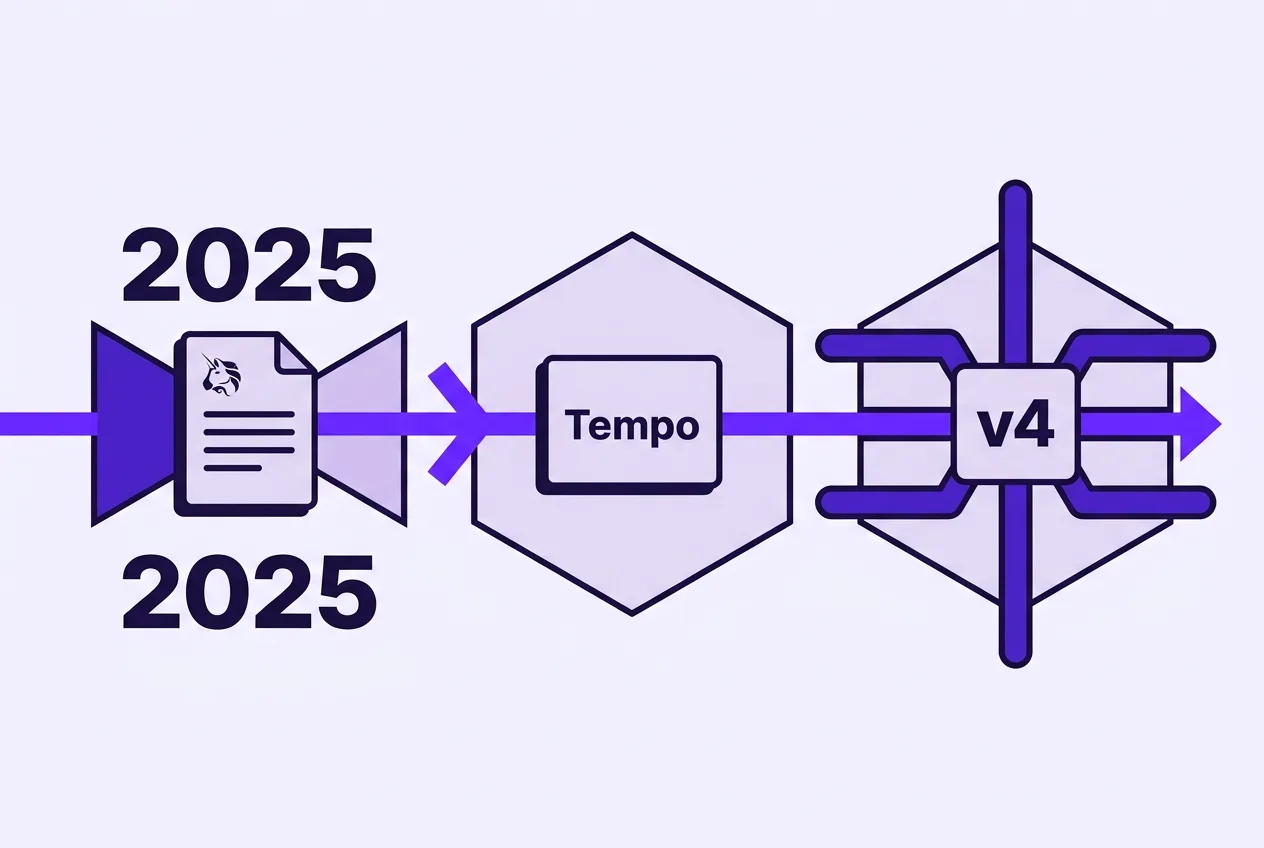
Plans for aggregator-style hooks originated in the November 2025 UNIfication governance proposal. An initial version of the hook appeared in March 2026 on the Tempo network, limited at that stage to the web app. The October 22 release expands the same logic to production chains and multiple external venues.
Uniswap Labs reports that cumulative protocol volume has passed $4.5 trillion. The new hook arrangement extends the addressable volume by capturing trades that previously stayed on competing decentralized exchanges.
Because external sources now settle inside the v4 framework, the protocol captures a share of activity that once bypassed it entirely. This structural shift aligns incentives between liquidity providers on other venues and Uniswap token holders who benefit from the resulting fee burns.
Planned Expansion to Additional Chains and Liquidity Venues
Uniswap Labs stated that further blockchains and liquidity sources will be added. No specific timeline has been published. The company continues to monitor on-chain performance and user feedback before scaling the integration.
The update does not change core smart-contract permissions or introduce new token standards. Existing wallets and aggregators that already support v4 require no code changes to access the expanded routing paths.
Market participants can verify the new routes directly in the Uniswap interface or through the public API. Volume and fee data remain visible in the same dashboards used prior to the October 22 launch.
Frequently asked questions
Which chains support the new Uniswap v4 aggregator hooks?
The hooks operate on Ethereum mainnet, Base, and Robinhood Chain through both the web app and API.
How many external liquidity sources are connected at launch?
Seven sources covering more than 90 percent of DEX activity on the supported chains are integrated from day one.
Do swaps through external sources still generate UNI burns?
Yes. All routed volume pays the standard Uniswap protocol fee, which continues to fund UNI token burns.
When did development of aggregator hooks begin?
The concept appeared in the November 2025 UNIfication proposal, with an early version released on Tempo in March 2026.
Comments
No comments yet. Be the first!