News Regulation
Nigeria stablecoin regulation sets $11.16 million capital requirement for foreign issuers
Key points
Nigeria’s Central Bank released rules on November 6, 2026 requiring foreign stablecoin issuers to maintain at least $11.16 million in paid-up capital and establish a licensed local entity.
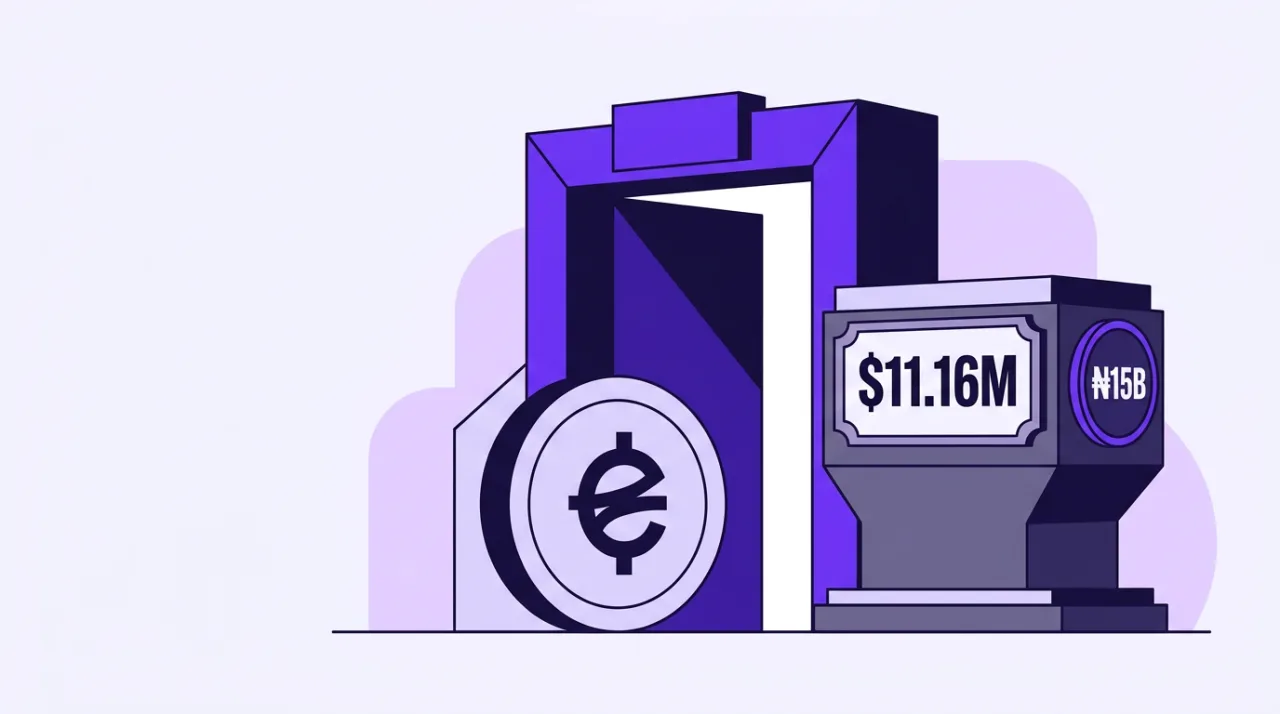
On November 6, 2026, Nigeria’s Central Bank issued the Regulations for the Operations of Non-Security Virtual Assets in Nigeria. The rules establish minimum capital levels and licensing procedures for stablecoin issuers seeking to operate or distribute tokens in the country.
Capital Requirements and Licensing Obligations
Foreign-currency stablecoin issuers must hold at least ₦15 billion, equivalent to approximately $11.16 million, in paid-up capital. They are also required to incorporate a local entity that receives a CBN license before distributing tokens such as USDT or USDC. Naira-backed stablecoin issuers face a lower threshold of ₦10 billion, or about $7.44 million.
Issuers must maintain reserves that fully back outstanding tokens and allow customer redemptions at all times. Monthly reserve attestations and other regular reports are mandatory. The CBN may impose additional capital or liquidity buffers if an issuer is judged to pose systemic risk. Algorithmic stablecoins without backing are prohibited outright.
Foreign regulatory approvals do not substitute for Nigerian licensing. Tether, Circle and similar operators must still meet the local requirements to access the market. Existing participants have 180 days from the effective date to submit license applications. They must register within 30 days and begin reporting within 60 days or stop operations.
Background on Nigeria’s Crypto Market and Regulatory Framework
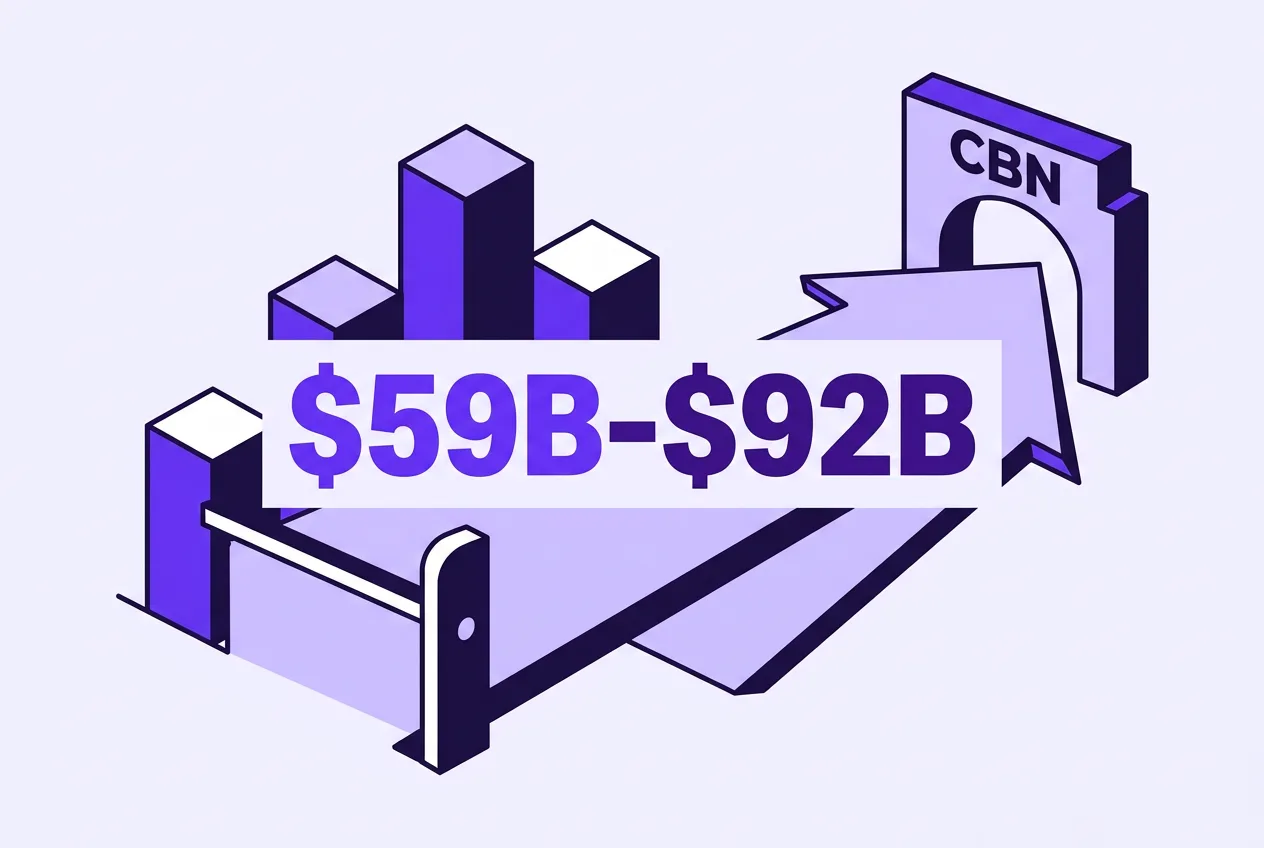
Nigeria records substantial stablecoin activity, with annual inflows and transactions estimated between $59 billion and $92 billion in recent periods. The Central Bank coordinates oversight with the Securities and Exchange Commission through the Virtual Asset Council formed in July 2026. The SEC published its own draft rules in August 2026 that set reserve coverage between 100 percent and 120 percent and impose separate capital thresholds, such as ₦2 billion for exchanges and custodians, with compliance expected by June 2027.
The new CBN framework builds on an earlier regulatory sandbox opened in August 2026. That program offers a testing route for operators while the licensing process is finalized. The regulations aim to address risks tied to high usage volumes without restricting legitimate market access for compliant firms.
Compliance Timeline and Market Implications
The CBN has not yet announced the exact effective date of the rules. Issuers must therefore prepare incorporation documents, capital structures and reporting systems in advance. Failure to obtain a license within the prescribed window will bar foreign stablecoins from legal distribution channels inside Nigeria.
Market participants will monitor forthcoming guidance on licensing procedures and any interaction between CBN and SEC requirements. Operators that complete local setup and meet reserve and reporting standards can continue serving Nigerian users. Those that do not will face exclusion from the formal market.
Frequently asked questions
What capital amount must foreign stablecoin issuers meet under the new CBN rules?
Foreign-currency stablecoin issuers need at least ₦15 billion, roughly $11.16 million, in paid-up capital. They must also form a locally incorporated, CBN-licensed company.
How long do existing stablecoin operators have to apply for a license?
Existing operators receive 180 days from the effective date to submit applications. They must register within 30 days and begin reporting within 60 days or cease activity.
Are algorithmic stablecoins permitted in Nigeria?
No. The regulations explicitly ban algorithmic, unbacked stablecoins. Only fully reserved tokens that allow redemptions are allowed.
Does a foreign license exempt issuers from Nigerian requirements?
Foreign approvals do not replace local licensing. Every issuer must obtain CBN authorization and meet capital and reserve rules to operate legally in Nigeria.
Comments
No comments yet. Be the first!